2 published discoveries from India — coins, hoards, jewellery and artefacts recovered by detectorists and archaeologists.
Global Finds has 2 finds from India, all of them famous historical finds. They are filed under artefacts (1) and coins (1). Together they span from AD 402 to AD 700. The oldest is the Ajanta gold solidus, struck in the reign of Theodosius II, AD 402 to 450. The most recent discovery is the Ajanta gold solidus, found in 2001. Famous finds from India include the Sultanganj Buddha and the Ajanta gold solidus.
The law: In India, treasure finds must be reported under the Indian Treasure Trove Act, and antiquities may not be exported.
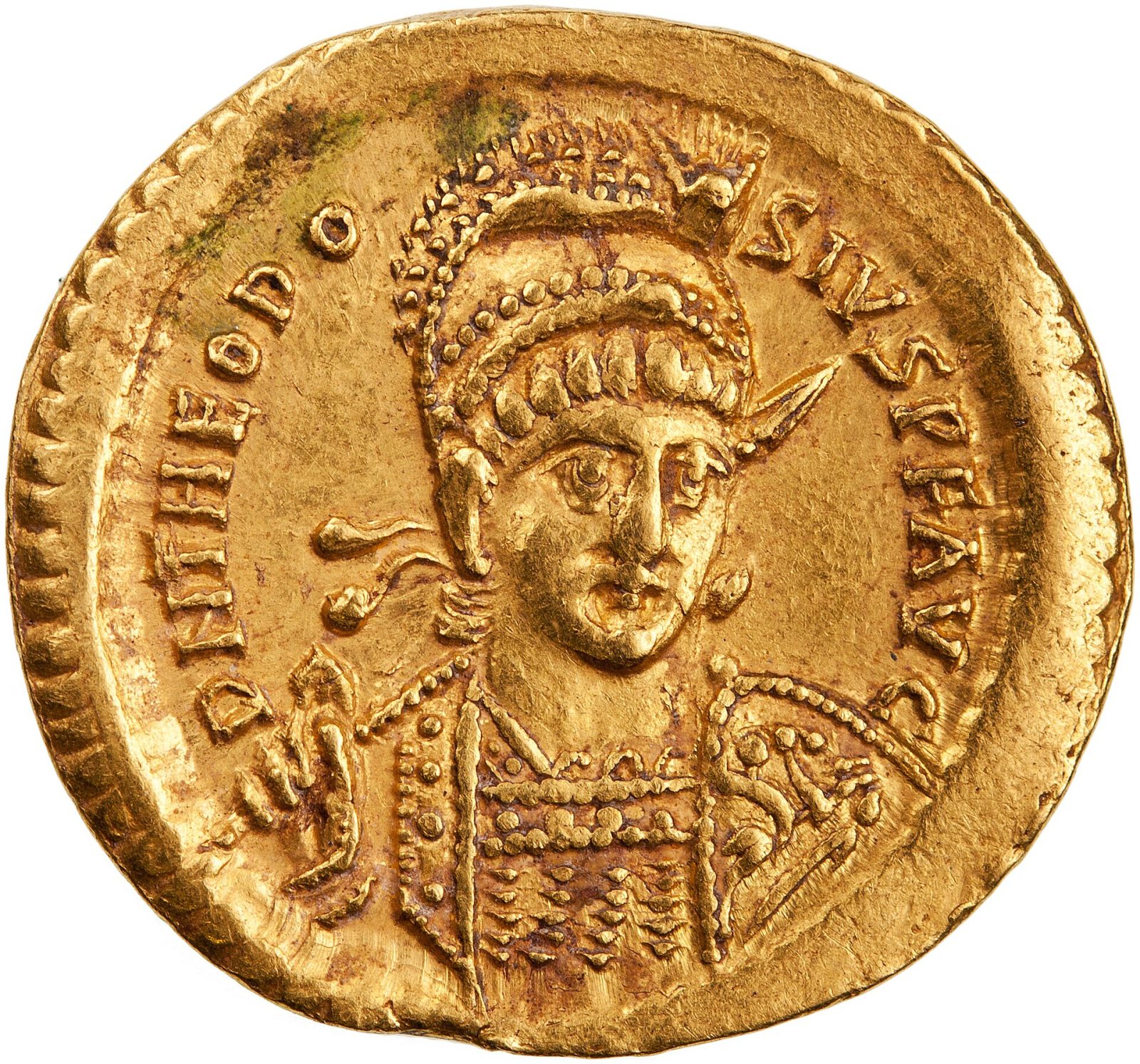
Around 2000 to 2001, Archaeological Survey of India excavators uncovered a brick Buddhist monastery facing the famous painted caves of Ajanta. In it lay a pierced gold solidus of the Roman emperor Theodosius II, the only datable coin from the site.
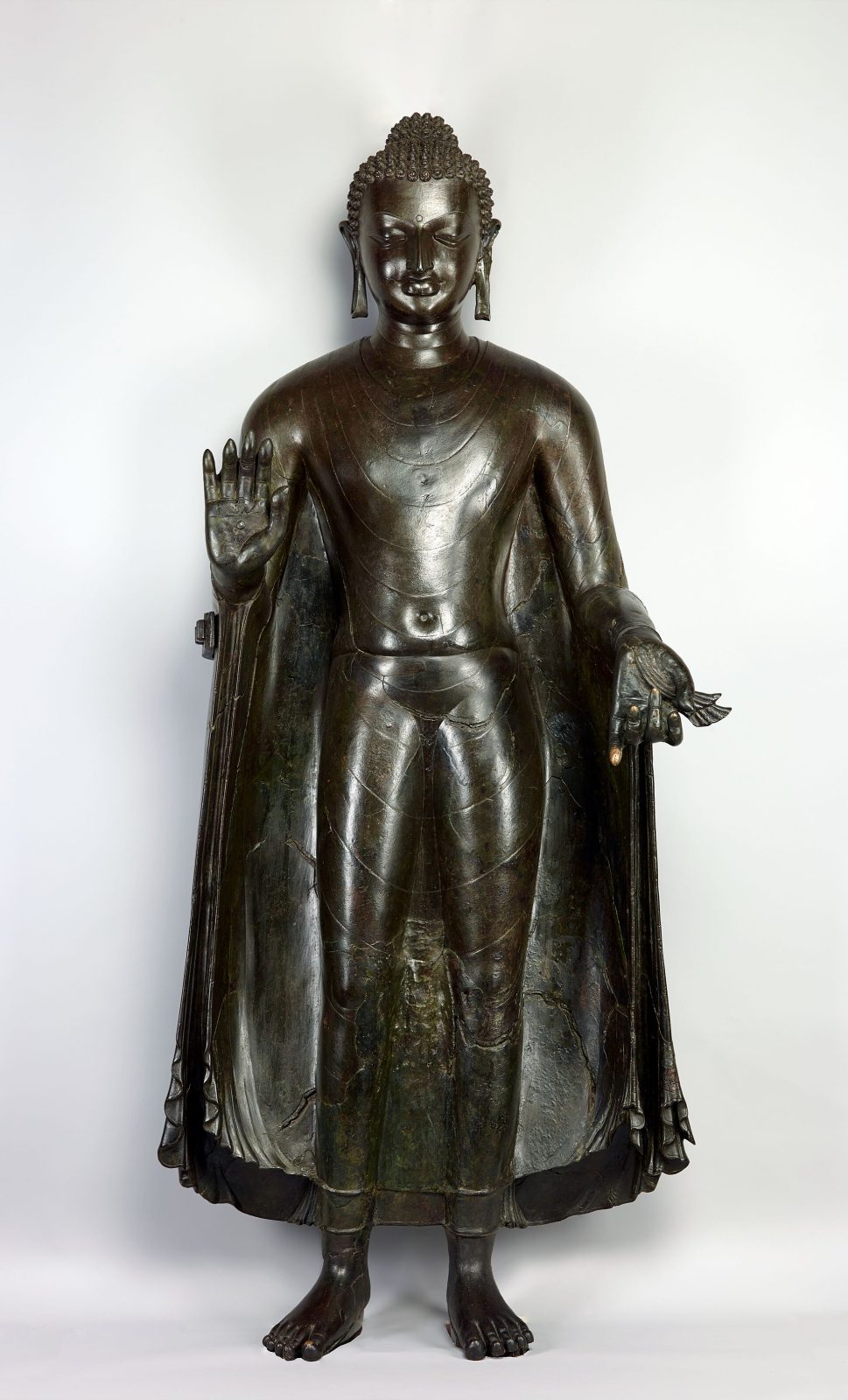
In 1861 or 1862 a railway engineer building a station at Sultanganj in Bihar, India, dug up a copper statue of the Buddha more than two metres tall. Shipped to Birmingham in 1864, it is the largest complete metal statue of its age to survive.