Olympic gold medalist loses Cartier rings. JoCo man with metal detector finds them
Lost in July 2026 · Found in 2026 See it on the timeline →
Olympic long jump champion Tara Davis-Woodhall lost two Cartier rings in her Kansas garden while throwing grapefruit to the deer. A ring finder found both in under half an hour, without knowing who she was.
In July 2026, Ed Rogers, a metal detectorist from Overland Park in suburban Kansas City, took a call from a man named Hunter Woodhall. Two expensive Cartier rings had been lost at his home in Wamego, Kansas, about 100 miles away. Could he help?
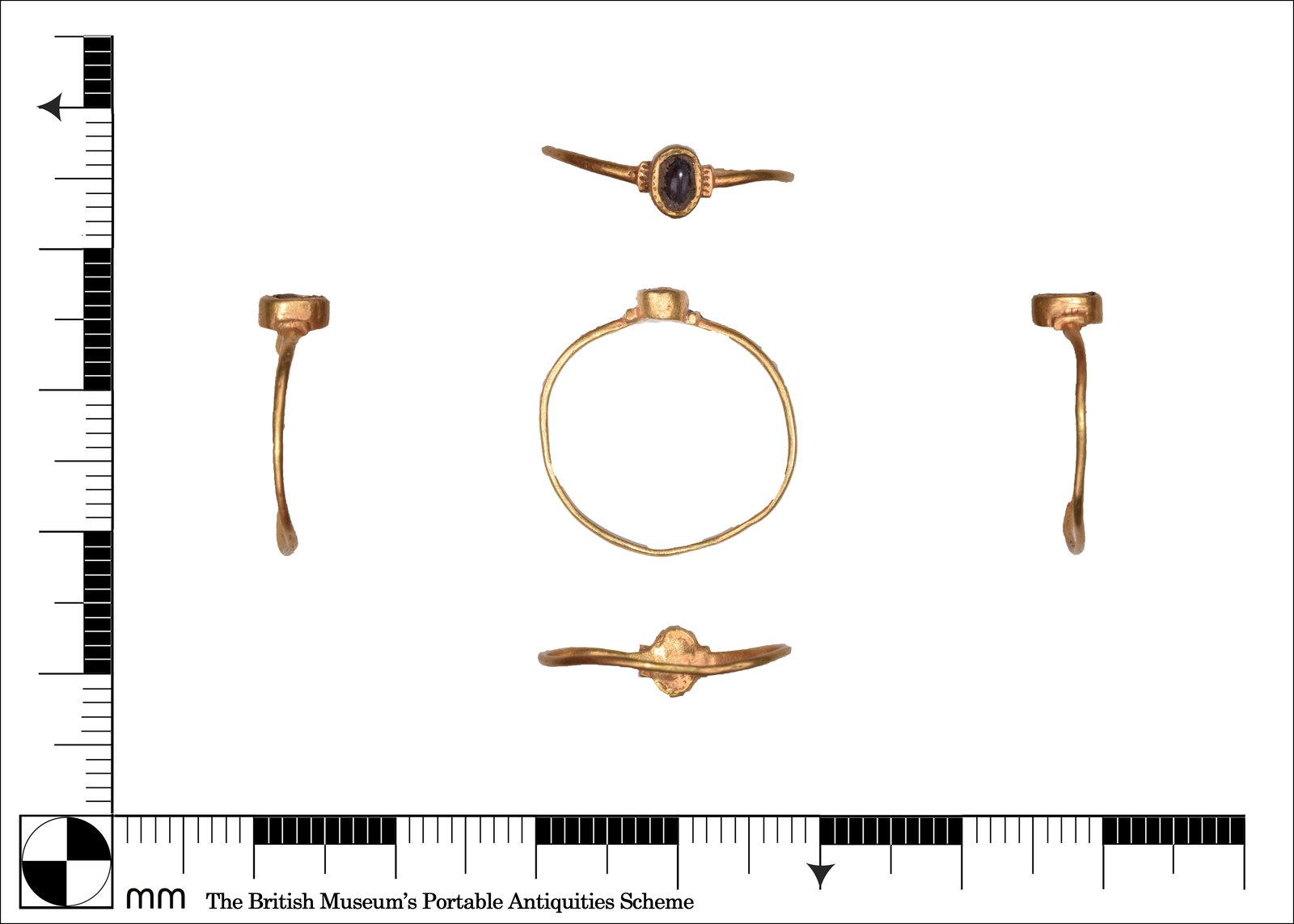
Mr Rogers drove out expecting a farm and arrived at a large estate where a party was going on. In the back garden, Mr Woodhall's wife, Tara Davis-Woodhall, explained that three rings had flown off her hand when she threw grapefruit into the garden for the deer. They had found one. The other two, a wide gold band and a gold band set with diamonds, both from Cartier's Love collection and together worth more than $10,000, were somewhere in the grass.
Mr Rogers found the first within minutes, and the second about 20 minutes later, while the guests watched and cheered.
Only when he got home did he realise who he had been helping. Tara Davis-Woodhall won the long jump at the 2024 Paris Olympics and is now a world champion; Hunter Woodhall won gold in the 400 metres at the 2024 Paralympics. Mr Rogers said he had no idea.
He has been finding lost rings, keys, watches and phones since his wife gave him a metal detector for Christmas in 2019, and is listed on The Ring Finders, an international directory of detectorists who search for lost items. He charges a flat $100 to cover travel and time, then leaves the reward to the owner: anything from nothing to $1,500, he says. The Woodhalls rewarded him, though he wouldn't say how much.
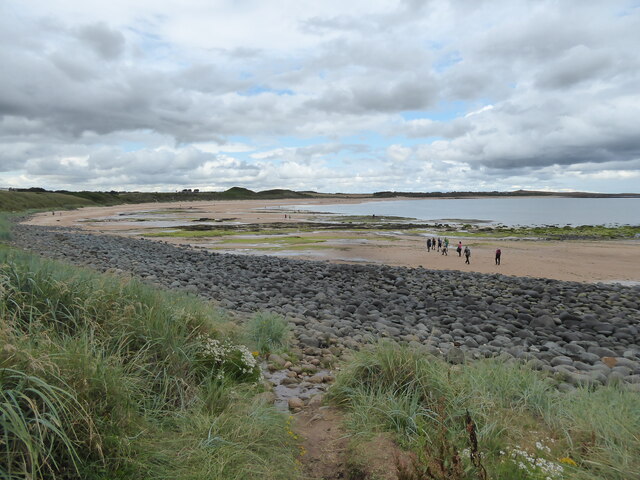
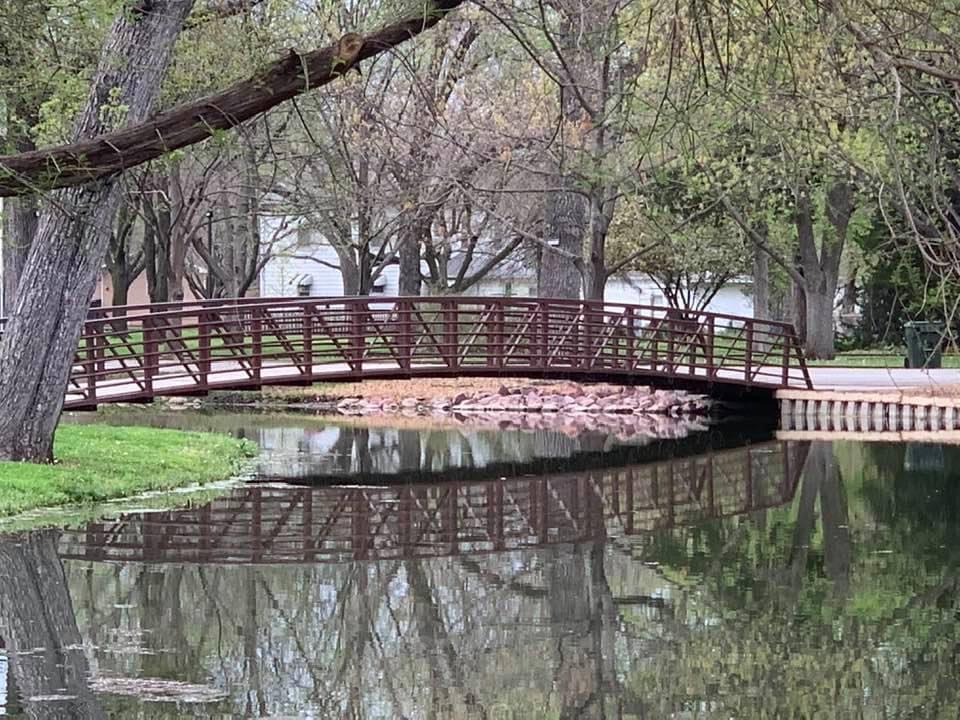
Reported by The Kansas City Star (5 August 2026). Written for Global Finds from that report. Photo: Wamego City Park, Kansas, John P Salvatore, Wikimedia Commons, CC BY-SA 4.0.
Approximate location39.20, -96.30View on map
Source: kansascity.com