The Cheapside Hoard: a jeweller's treasure hidden beneath a London cellar
Famous find Buried between 1640 and 1666 · Found in 1912 See it on the timeline →
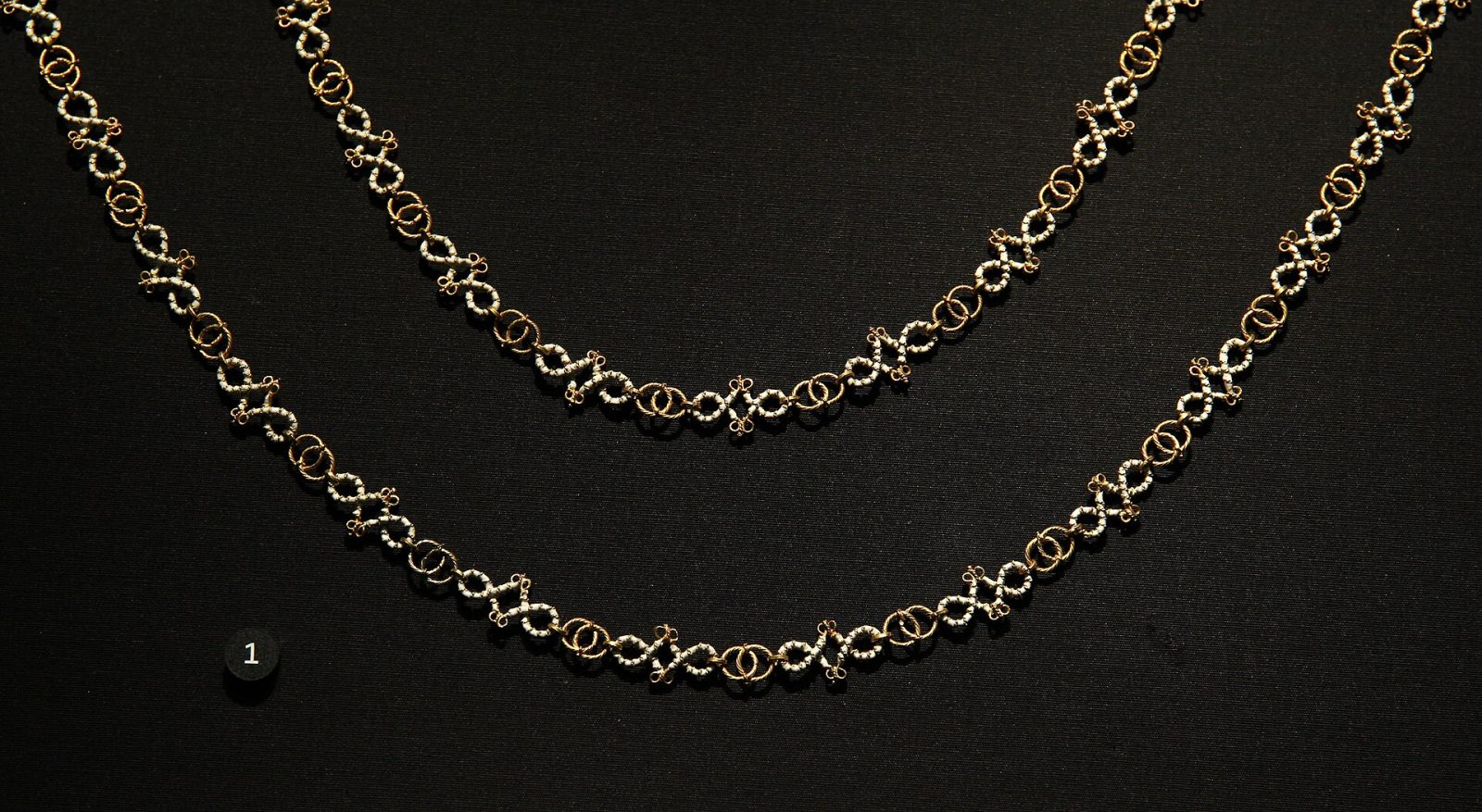
In 1912 workmen demolishing a building in Cheapside, in the City of London, broke into a buried box holding about 500 pieces of Elizabethan and Jacobean jewellery: the stock of a 17th-century goldsmith.
In June 1912, workmen were demolishing an old building on the corner of Cheapside and Friday Street, near St Paul's Cathedral in the City of London, when their pickaxes broke through the cellar floor into the remains of a wooden box. It was full of jewellery.
Much of it passed through the hands of a dealer, George Fabian Lawrence, known as Stoney Jack, who had long bought finds from London's labourers, and most of it ended up in the new London Museum, which first put the hoard on show in 1914.
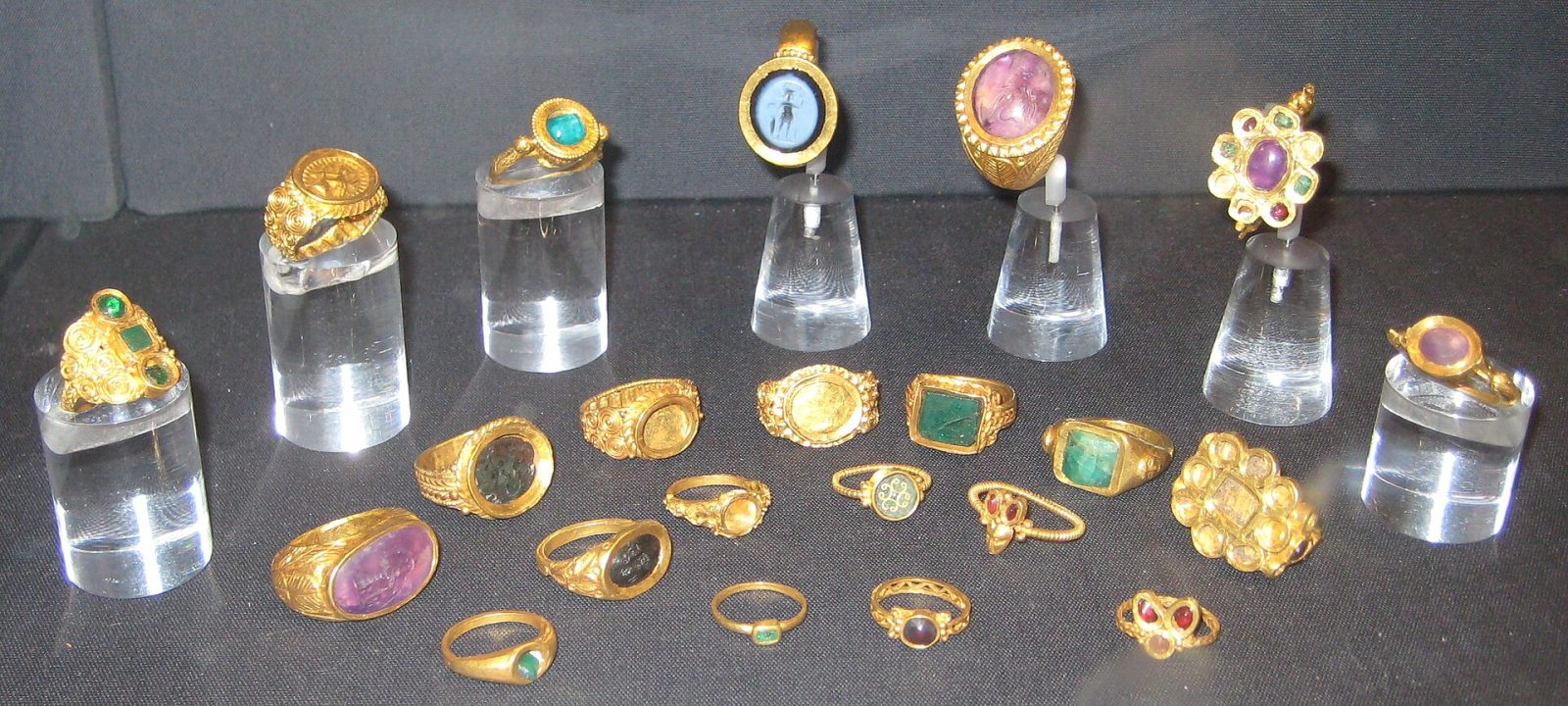
There are about 500 pieces, mostly from the late 16th and early 17th centuries: rings, chains, pendants, brooches, cameos, scent bottles and loose gems. The stones came from all over the world, from Colombia, Sri Lanka, Burma and Persia, a sign of how far London's trade reached around 1600. Among the highlights are a watch set inside a large Colombian emerald, a salamander brooch of gold, enamel and diamonds, and a bunch of grapes carved from amethyst.
It looks like the working stock of a goldsmith or jeweller, and Cheapside was London's goldsmiths' quarter. A seal engraved with the arms of William Howard, who became Viscount Stafford in 1640, shows the box was buried after that date, and almost certainly before the Great Fire of 1666 swept through the street. The years around the outbreak of the Civil War in 1642 would have been a natural time for a jeweller to hide his stock, but who buried it, and why he never came back, remains a mystery.
Most of the hoard is in the London Museum, with smaller groups in the British Museum and the Victoria and Albert Museum. It is the largest surviving collection of Elizabethan and Jacobean jewellery in the world.
Written for Global Finds from the London Museum and other published accounts. Photo: an enamelled gold necklace from the Cheapside Hoard in the Victoria and Albert Museum, Vassil, Wikimedia Commons, CC0.
Approximate location51.51, -0.10View on map
Source: London Museum