3 published discoveries from Iraq — coins, hoards, jewellery and artefacts recovered by detectorists and archaeologists.
Global Finds has 3 finds from Iraq, all of them famous historical finds. They are filed under jewellery (1), mystery (1) and weapons (1). Together they span from 2,600 BC to 710 BC. The oldest is the Helmet of Meskalamdug, about 2600 to 2450 BC. The most recent discovery is Queen Puabi's headdress, found in 1928. Famous finds from Iraq include the Helmet of Meskalamdug, the Nimrud lens and Queen Puabi's headdress.
The law: In Iraq, as in most countries, archaeological finds are protected by national heritage law: report anything old or unusual to the national heritage authority, and never dig at a known site or export a find without permission.
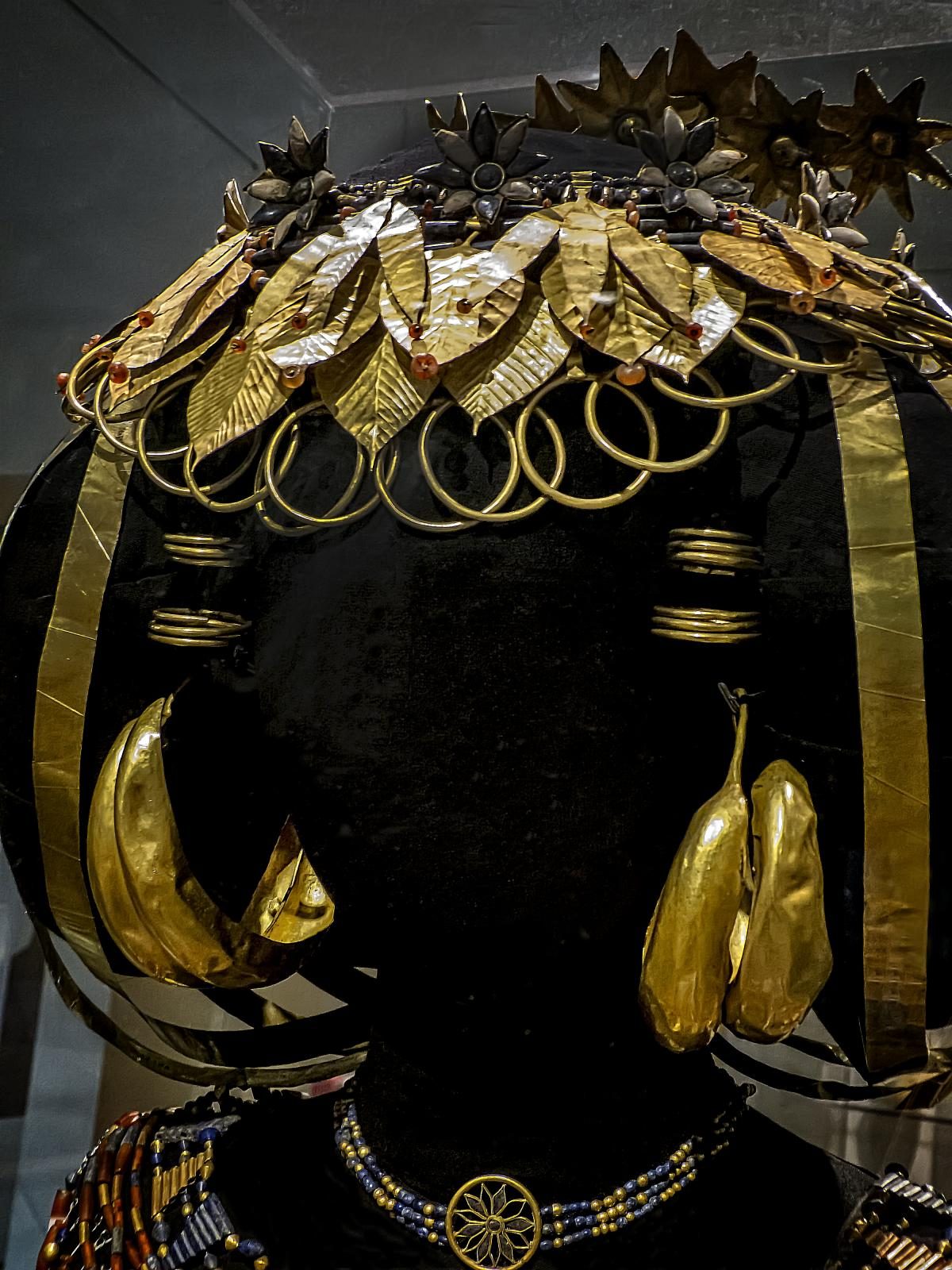
In the 1927–28 season at Ur in Iraq, Leonard Woolley's team found the intact tomb of Queen Puabi, buried around 2600 to 2450 BC. Her headdress of gold leaves, flowers and rings and a towering gold comb is one of the masterpieces of Sumerian jewellery.
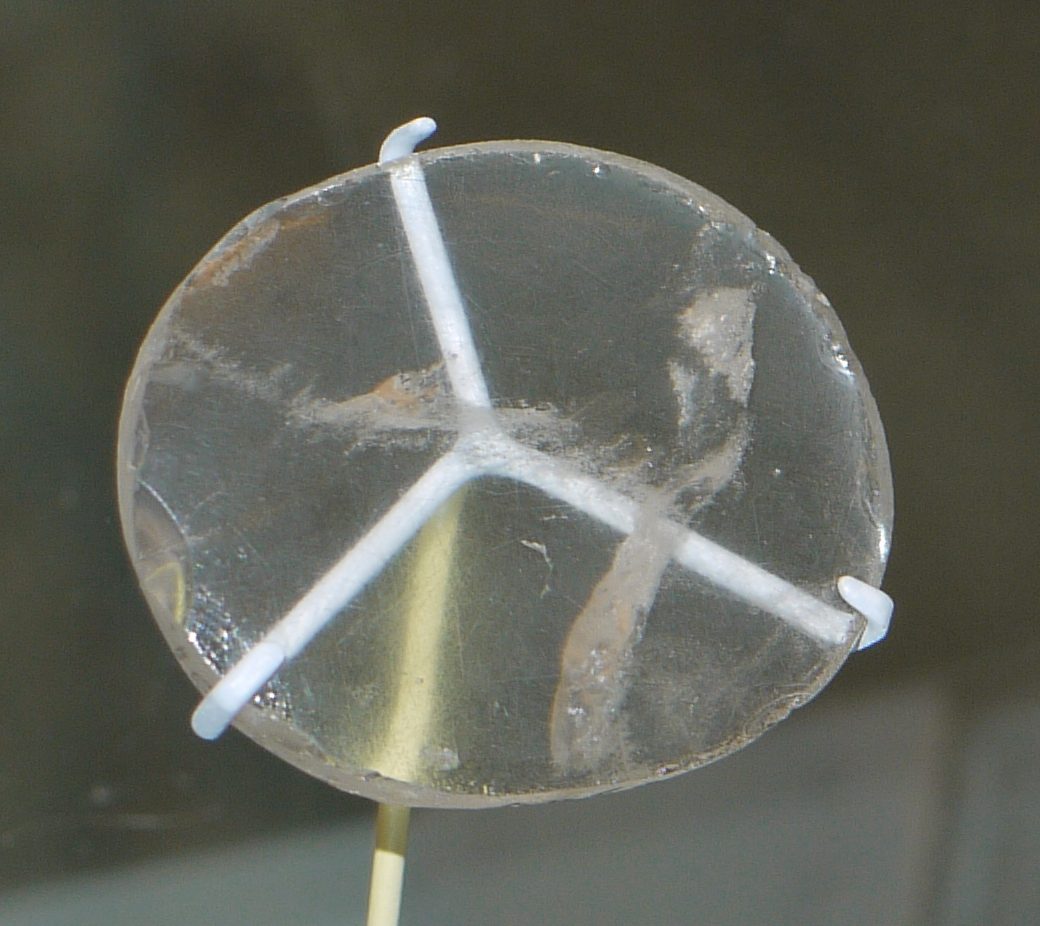
In 1850 Austen Henry Layard found a small oval of polished rock crystal in the Assyrian palace at Nimrud in Iraq. It magnifies and focuses light, and a famous scientist declared it the oldest lens in the world. Whether anyone used it as one is still argued over.
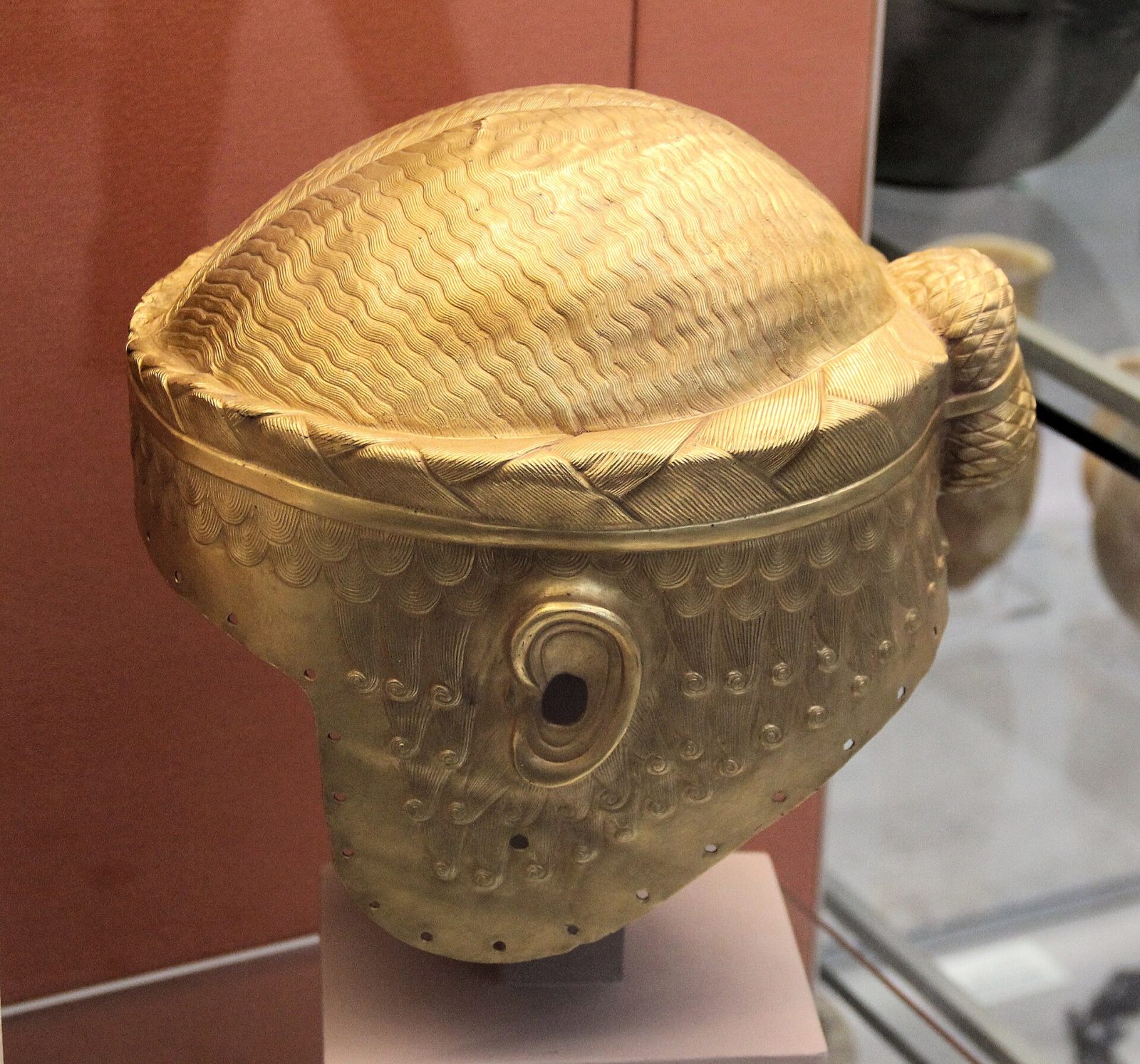
In 1927 Leonard Woolley, excavating the Royal Cemetery at Ur in southern Iraq, found a helmet beaten from a single sheet of gold in the shape of a man's hair. Around 4,500 years old, it survived the looting of 2003 hidden in a flooded bank vault.