'Once in a lifetime' ring found in Cotswolds sells for thousands
Late 16th or early 17th century · Found in 2024 See it on the timeline →
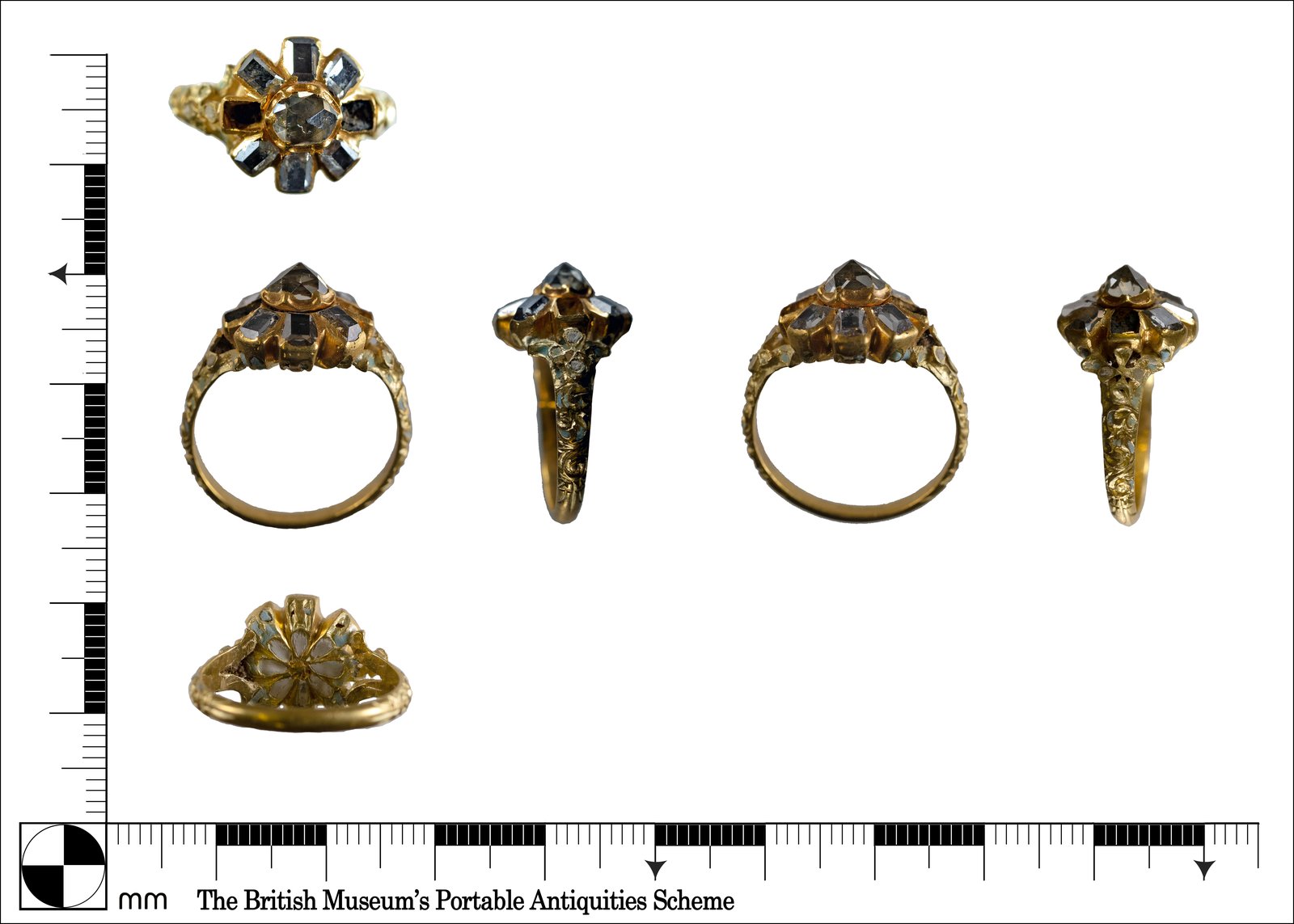
More photographs
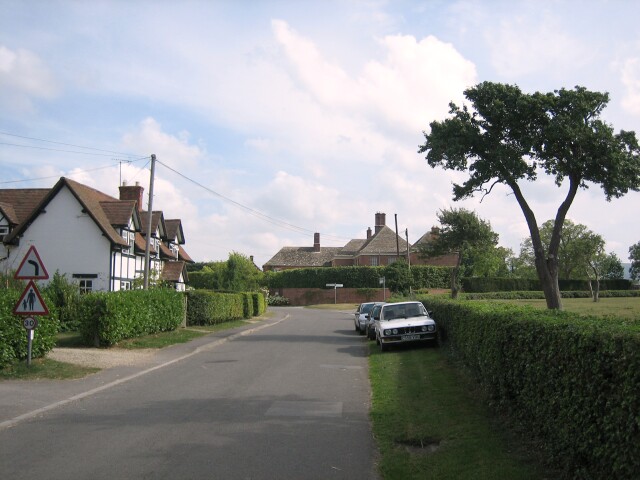
A gold ring set with eight hogback diamonds, found by a detectorist at Wormington in Gloucestershire, has sold at auction for £17,000. It dates from the late 16th or early 17th century.
In November 2024, Stuart Jones, a metal detectorist from Solihull, was searching land at Wormington, in Gloucestershire, when he found a gold ring set with diamonds. He described it as a once-in-a-lifetime find.
The ring dates from the late 16th or early 17th century. Its bezel is a flowerhead: a cluster of eight hogback diamonds, stones cut into a ridged, roof-like shape, which is very rare. Two of the stones are now loose. Laura Smith, the jewellery specialist at the auction house Noonans, said it fits the fashion of the time for grand rings that would impress from a distance.
The ring went through the Portable Antiquities Scheme and the Treasure process, and was examined by the British Museum, before being returned to be sold. On 23 June 2026 it went under the hammer at Noonans in Mayfair and was bought by an English telephone bidder for £17,000. Mr Jones said the price was beyond anything he could have imagined, and that he would share the proceeds with the landowner.
He said that knowing a beautiful piece of Tudor jewellery, lost for centuries, had been appreciated by collectors was incredibly rewarding, and that the sale was about the history as much as the money.
The same auction included 14 finds made by detectorists, among them a 17th-century gold memorial ring found in Lancashire (see our story on Ref 15).
Reported by BBC News (24 June 2026). Written for Global Finds from that report. Photo: (1) the ring itself, recorded with the Portable Antiquities Scheme as WMID-15FCDD, © Birmingham Museums Trust, CC BY. (2) Wormington, Gloucestershire, Dave Bushell, geograph.org.uk via Wikimedia Commons, CC BY-SA 2.0.
Approximate location52.03, -1.94View on map
Source: BBC