Metal detectorists double Estonia’s known Bronze Age finds
Bronze being cast in Estonia by 1400 to 1300 BC See it on the timeline →
Licensed detectorists have doubled the number of Bronze Age objects known from Estonia in twenty years, and the new finds show bronze was being cast there 500 to 600 years earlier than anyone thought.
Twenty years ago, archaeologists knew of about 80 Bronze Age objects from Estonia. Today they know of about 160, and most of the new ones were found by hobby metal detectorists.
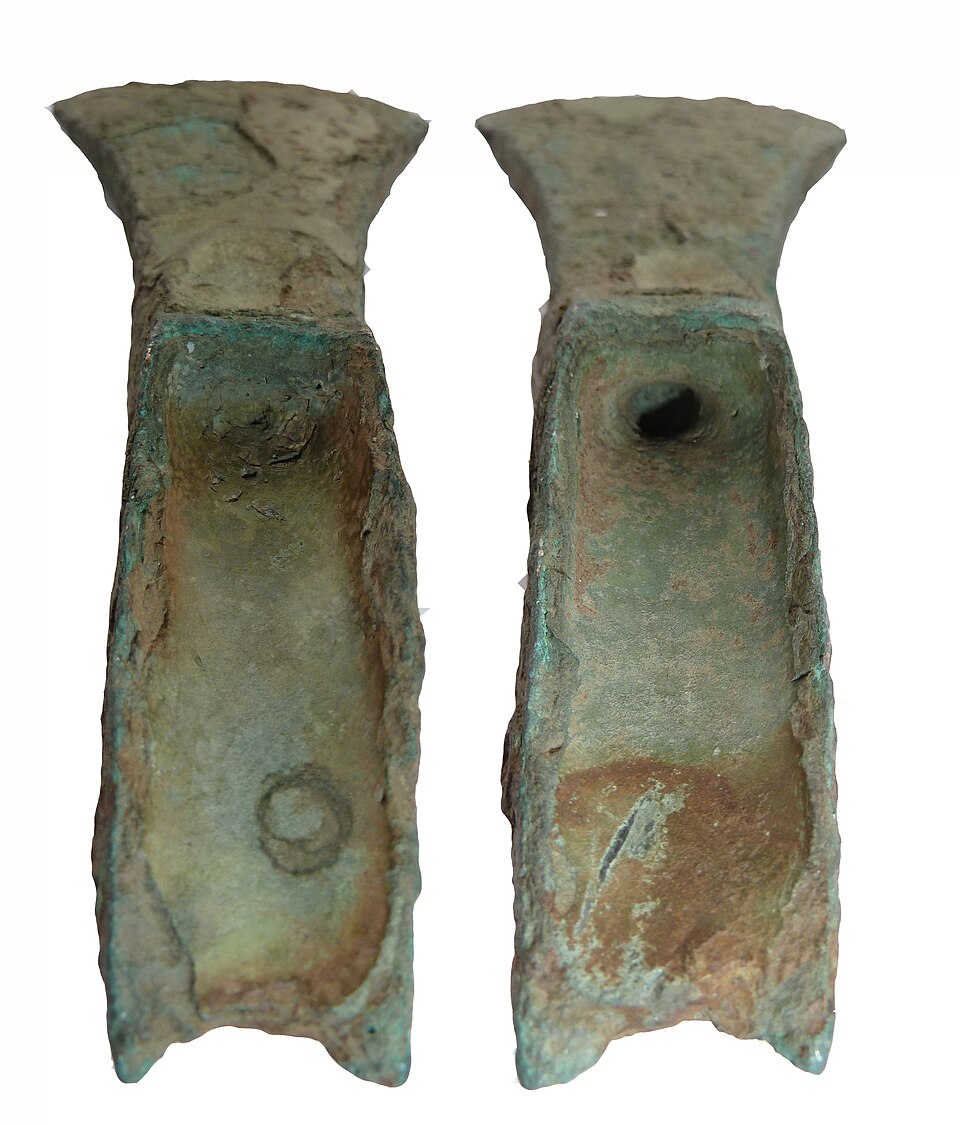
According to Valter Lang, professor of archaeology at the University of Tartu, the change is not just one of numbers. Estonia was long thought to have had barely any Bronze Age at all. The new finds show that bronze objects were being made there 500 to 600 years earlier than the old material suggested. A local type of palstave, a bronze axe head cast with flanges and a stop to hold it on its handle, was being cast in Estonia by around 1400 to 1300 BC. Professor Lang has also noticed the axes getting smaller over time, possibly to make the available metal go further.
Most of the finds come from three coastal areas: around Tallinn, from Keila to Kahala; parts of Virumaa in the north-east; and the islands of Saaremaa and Muhu. Access to the sea, and so to the trade that brought in copper and tin, is thought to explain the pattern.
Tuuli Kurisoo, a senior researcher at Tallinn University, says the thousands of finds now being recorded are revealing new patterns. But detecting in Estonia comes with conditions. Detectorists must complete a training course and hold a permit, and a find is only of real scientific value if its exact location is reported to the National Heritage Board.
Reported by ERR News, Estonia's public broadcaster (25 September 2026), and UA.NEWS. Written for Global Finds from those reports. Photo: a Middle Bronze Age palstave recorded with the Portable Antiquities Scheme in England (not from Estonia), National Museums Liverpool, Vanessa Oakden, Wikimedia Commons, CC BY-SA 2.0.
Approximate location59.44, 24.75View on map
Source: ERR
Also reported by