Yorkshire couple call metal detectorist mid wedding after losing ring on beach
Lost during a wedding in 2026 · Found in 2026 See it on the timeline →

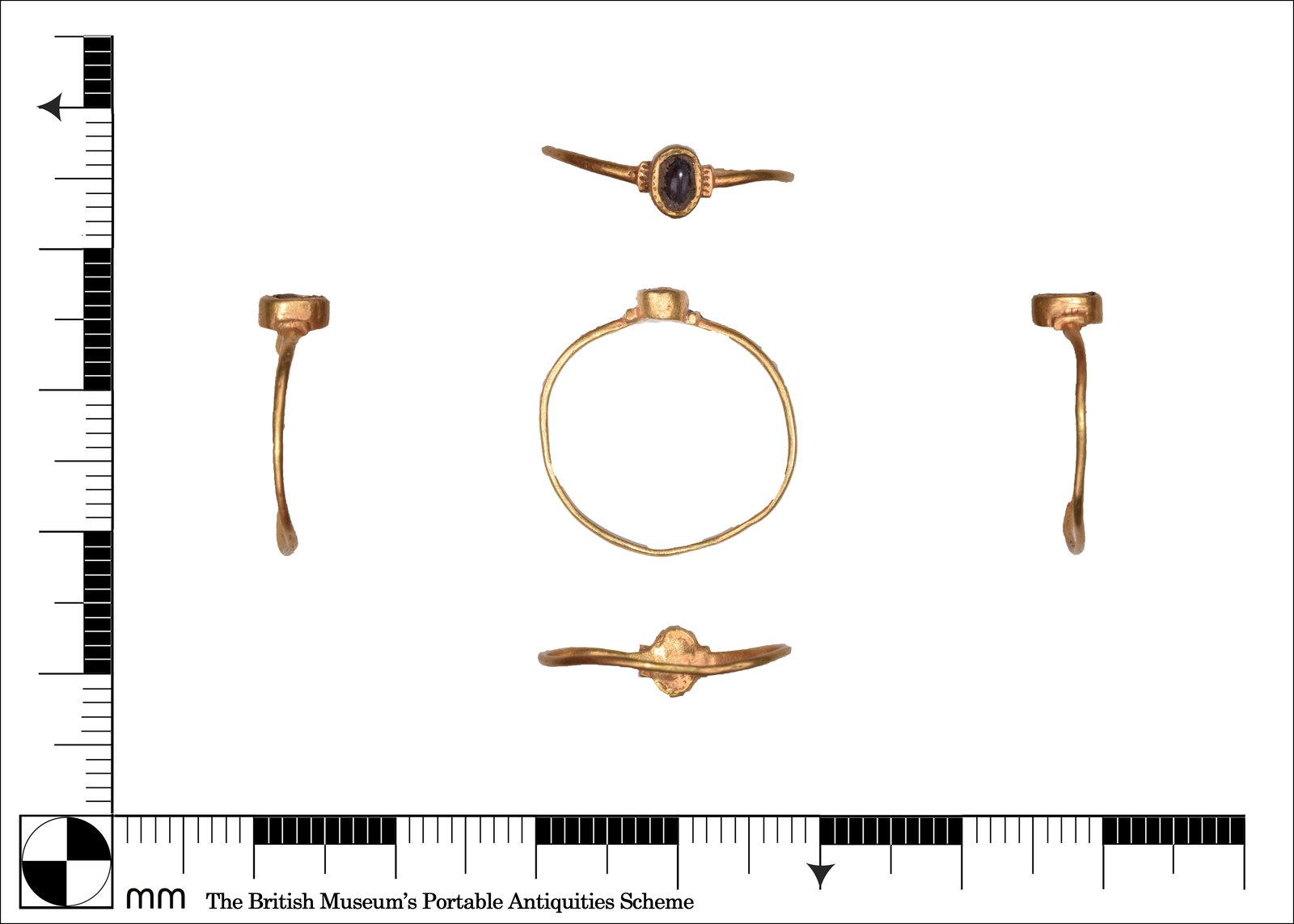
A bride swatting away a bee during her wedding in Jersey sent her engagement ring flying onto the beach below. A volunteer detectorist found it within ten minutes, and guests revealed it at the cake-cutting.
Abi Clark, a teacher from Jersey, and Tony Clark, a mechanical engineer from Hull, both 32, were married on the front lawn of the St Brelade's Bay Hotel in Jersey, just above the beach.
Before the ceremony, the celebrant asked Abi to move her engagement ring to her other hand, ready for the exchange of rings, so she was holding it in her right hand. During the ceremony, bees kept flying at her. When one flew straight into her face, she swatted it away, and the ring went flying. From the force of it, she thought it must have landed on the beach below.
Around 15 guests jumped up to search, without success. Tony suggested they carry on and get married without it. Guests then mentioned Steve Andrews of Jersey Lost Ring Metal Detecting, a firefighter who searches for lost items as a volunteer. He came straight to the beach and found the ring within ten minutes.
The couple didn't find out straight away. When they came to cut the wedding cake, the toastmaster announced that two of their guests, Callum and Jess, had something to say, and Abi realised at once that the ring had been found. The whole room cheered. The couple, who had spent two and a half years saving for the wedding, thanked Mr Andrews for giving his time for nothing.
Reported by The Yorkshire Post (5 August 2026). Written for Global Finds from that report. Photo: St Brelade's Bay, Jersey, Jersey Tourism, Wikimedia Commons, CC BY 2.0.
Approximate location49.20, -2.20View on map
Source: yorkshirepost.co.uk