15th-Century “Blood of Christ,” St. Margaret Rings found by Metal Detectorist in North Yorkshire
15th century · Found in 2024 See it on the timeline →
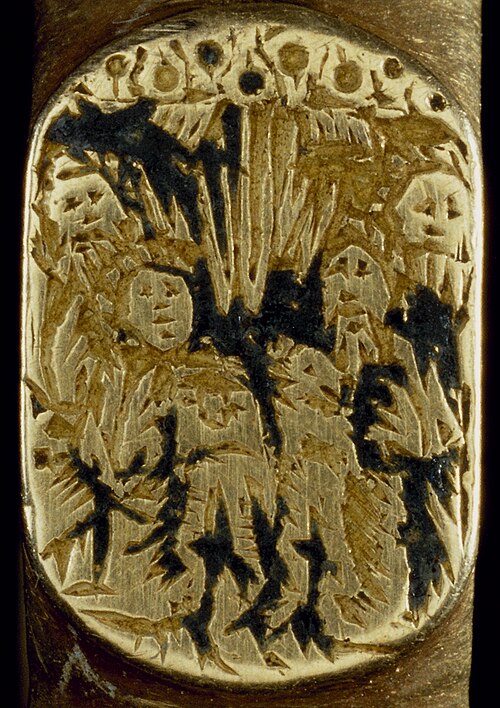
A semi-retired architect found two 15th-century gold devotional rings in fields near Northallerton within four months. One, an enamelled "Blood of Christ" ring, sold for £17,000, three times its estimate.
Andrew Riley, a semi-retired architect from North Yorkshire, goes metal detecting at least twice a week for exercise. In 2024, in fields near Northallerton, he found two 15th-century gold rings within four months of each other.
The first was found about eight inches down in a ridge-and-furrow field, after weeks of systematic searching. He thought it was costume jewellery until he saw the inscription. It is an enamelled ring of the type known as a "Blood of Christ" ring, decorated in honour of the wounds of Christ, the focus of intense devotion in the late Middle Ages. Noonans suggested a possible link with the Corpus Christi Guild in York, founded in 1408, through James Strangeways, a landowner of the time whose lands lay near the findspot.
The second, found on a summer evening, is an iconographic ring showing St Margaret of Antioch, the saint women called on in childbirth. Mr Riley said he did the obligatory gold dance and then had a lie down in shock.
Both rings were offered at Noonans in Mayfair on 22 September 2026. The St Margaret ring was estimated at £4,000 to £6,000. The Blood of Christ ring, estimated at £5,000 to £7,000, sold for a hammer price of £17,000, the second-highest price of the sale. Mr Riley said he knew it was something special, but the price left him in shock. He plans to spend his share on an interrailing trip around Italy.
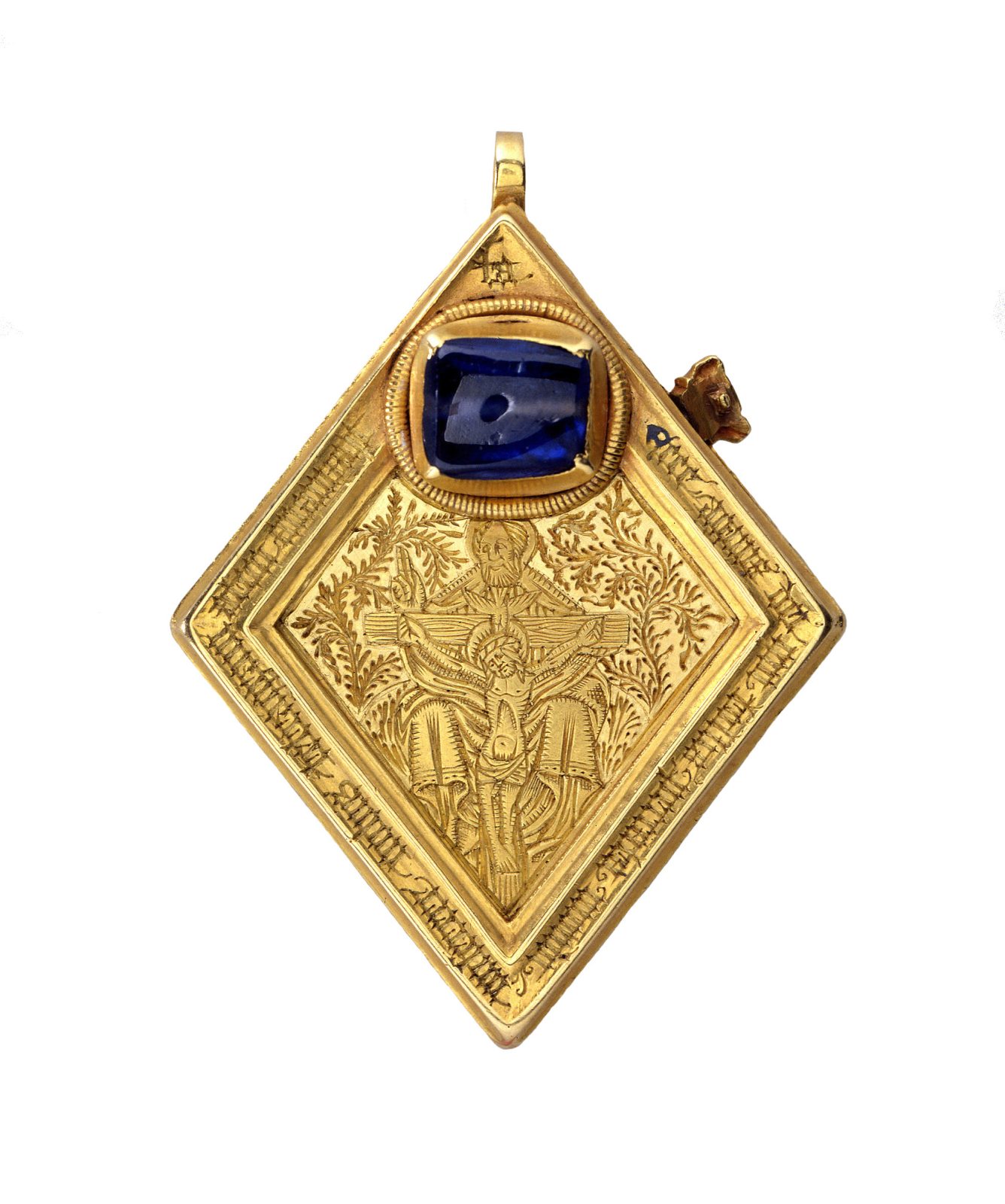
Reported by JCK (September 2026) and BBC News, with the result from Noonans (24 September 2026). Written for Global Finds from those reports. Photo: a medieval gold and enamel iconographic finger ring recorded with the Portable Antiquities Scheme (not this find), The British Museum, Ian Richardson, Wikimedia Commons, CC BY-SA 4.0.
Approximate location54.34, -1.43View on map
Source: BBC News
Also reported by