Metal detector leads treasure hunters to 'exciting' discovery at legendary 17th-century shipwreck, Florida Keys
Lost when the Atocha sank, 1622 · Found in 2026 See it on the timeline →
Following a trail of silver coins on the wreck of the Spanish galleon Atocha, a salvage diver's detector picked up a faint signal: a 55-pound copper ingot, lost in a hurricane in 1622.
The Spanish galleon Nuestra Señora de Atocha sank in a hurricane in 1622 on her way home to Spain, loaded with silver, gold and emeralds. The wreck lies about 35 miles west of Key West, Florida. The treasure hunter Mel Fisher's company found the main deposit of her cargo, the "Mother Lode", in 1985, and its divers are still working the site.
In 2026, Captain Drake Nicholas of Mel Fisher's Shipwreck Expeditions was retracing an area of the wreck from the salvage boat DARE, following what he called a tight trail of coins, when his metal detector picked up a faint signal. From its rounded shape, large size and bronze-copper colour, he first thought he had found a cannon. It turned out to be a copper ingot weighing about 55 pounds, heavily encrusted after four centuries on the seabed. It has been valued at $18,000 to $25,000.
In the 1600s, copper was a precious metal, controlled largely by the Spanish crown and used above all for casting bronze cannon. Earlier the same summer, the crew recovered a silver bar weighing 22.5 pounds from the same site.
Captain Nicholas says new detection technology that reaches deeper into the mud has given the team 19 promising new targets, and that he is very confident about what is still to come.
This is commercial salvage rather than archaeology: the finds are recovered to be sold.
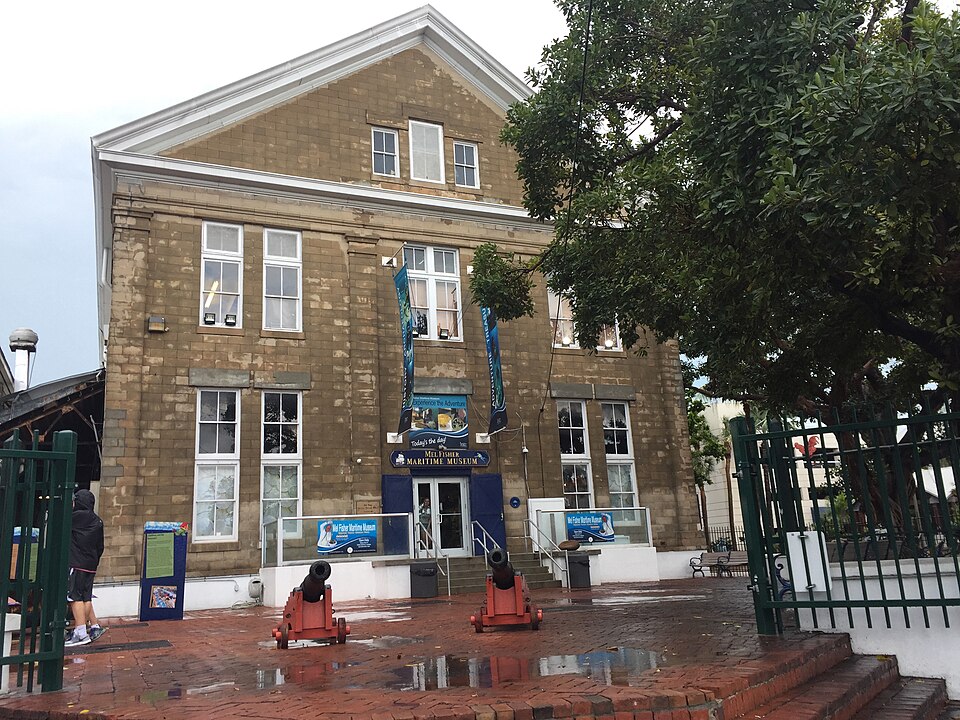
Reported by Fox News (17 September 2026) and the New York Post. Written for Global Finds based on those reports. Photo: the Mel Fisher Maritime Museum, Key West, w_lemay, Wikimedia Commons, CC0.
Approximate location24.58, -82.11View on map
Source: Fox News
Also reported by