The Tutbury Hoard: a riverbed full of medieval silver, a coin rush, and cavalry sent to stop it
Famous find Buried about 1322 · Found in 1831 See it on the timeline →
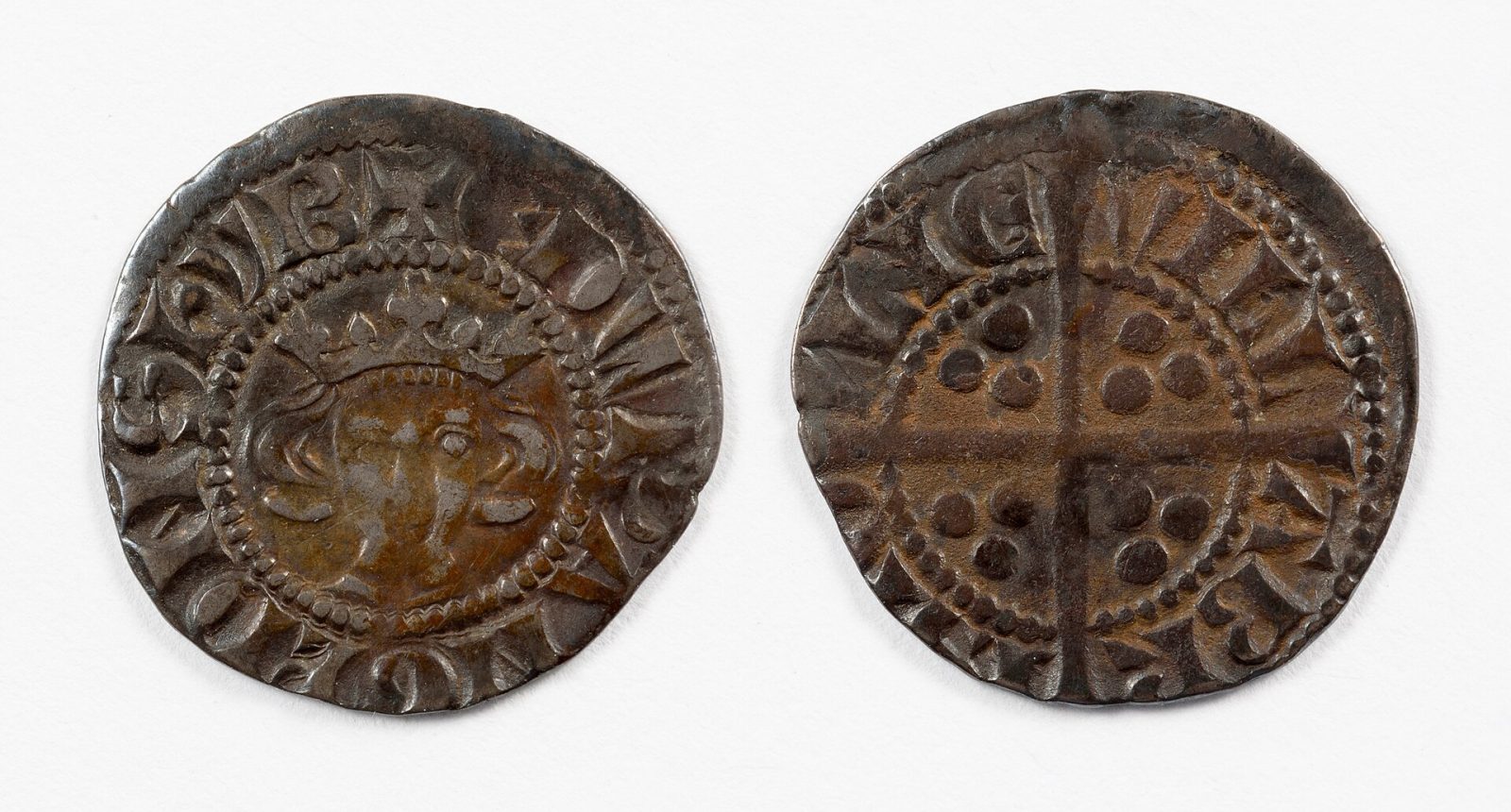
On 1 June 1831 workmen improving a mill race in the River Dove below Tutbury Castle found medieval silver pennies by the thousand. Hundreds of local people rushed to dig, the Crown claimed the hoard, and the yeomanry were sent in. It may have been the war chest of Thomas, Earl of Lancaster.
On 1 June 1831, workmen building a gravel embankment to improve the outfall of Tutbury cotton mill, in the bed of the River Dove just below Tutbury bridge on the border of Staffordshire and Derbyshire, began turning up silver coins. About thirty yards below the bridge, five feet down, they found what was described as a cubic yard of them.
Word spread fast. Within days hundreds of people were digging in the river, some of them said to be earning £10 a day from what they found, at a time when a labourer earned well under a pound a week. The Duchy of Lancaster, which owned the land on behalf of the Crown, declared that any coins found after 15 June belonged to the Crown, promised not to prosecute those who had found coins before that date, and reserved further digging to its own men. The Staffordshire Yeomanry were called out to clear the riverbed, and the gravel was put back.
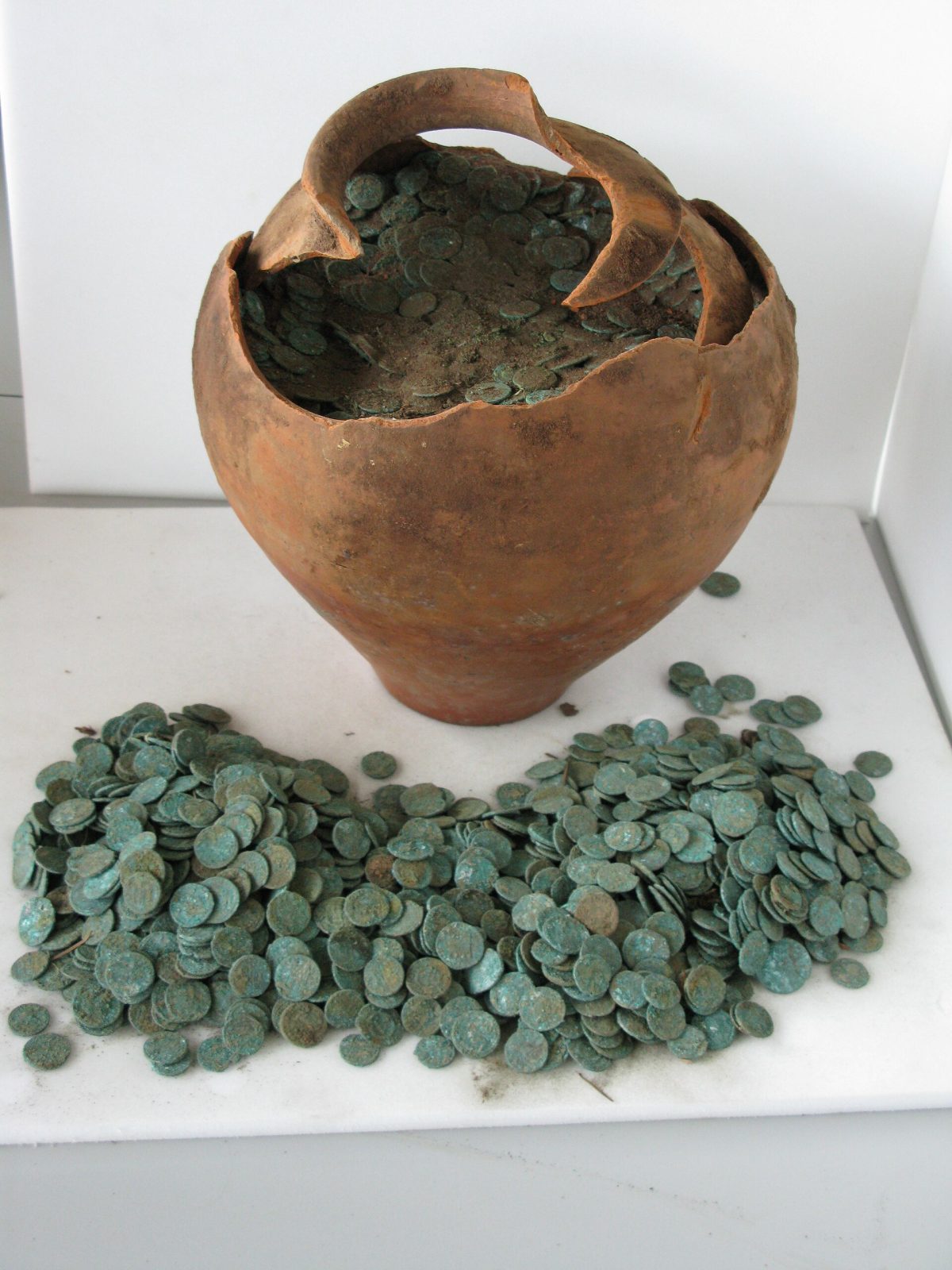
How many coins there were will never be known. Estimates range from 100,000 to more than 300,000, and the Derbyshire historic environment record puts the total at between 200,000 and 300,000. They were silver pennies of Henry III, Edward I and Edward II, with Scottish pennies of Alexander III, John Balliol and Robert the Bruce and some continental imitations. Edward Hawkins of the British Museum examined nearly 1,500 that reached the Crown and published them in 1832.
The latest coins are of Edward II, and most historians connect the hoard with Thomas, Earl of Lancaster. In March 1322 Lancaster, in rebellion against the king, was defeated at Burton Bridge a few miles downstream and fled from Tutbury Castle by night across the flooded Dove; he was captured at Boroughbridge and executed at Pontefract on 22 March. His treasury, it is thought, was lost in the crossing. Other explanations, that the monks of Tutbury Priory or looters from the castle buried it, have also been suggested.
Most of the coins were sold or melted down. Some are in the British Museum and the Potteries Museum in Stoke-on-Trent.
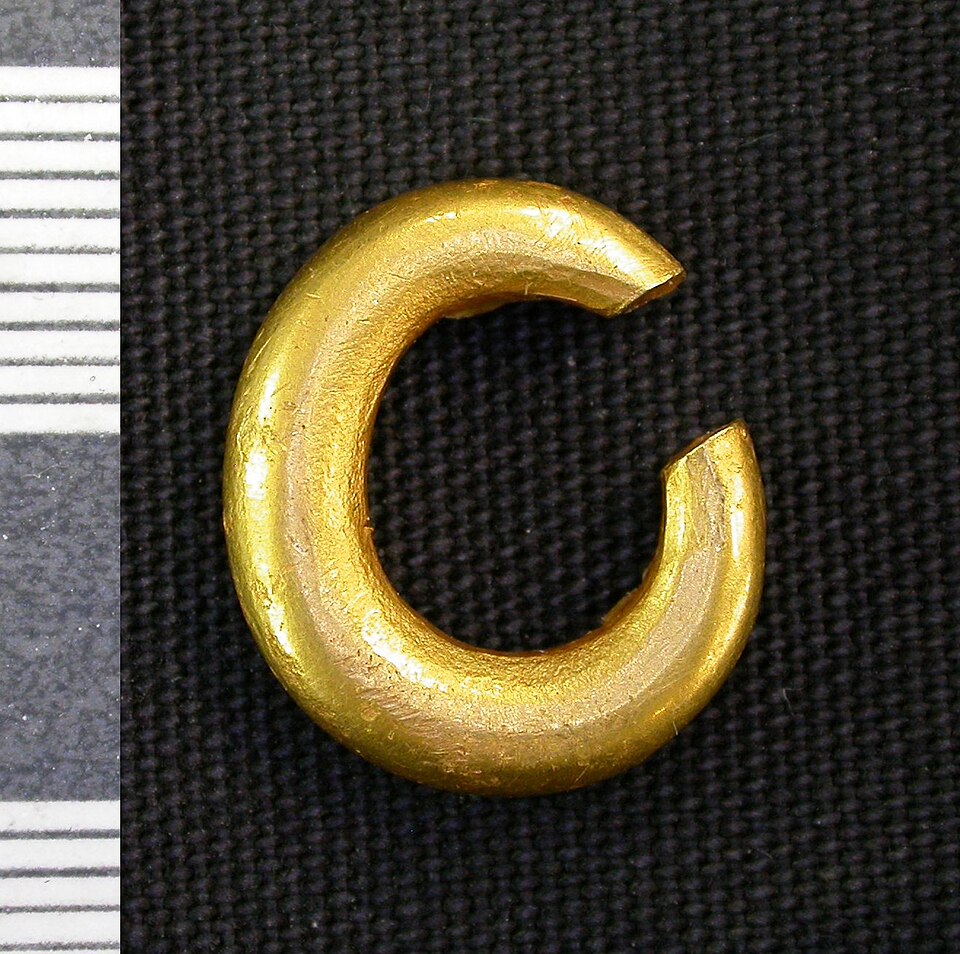
Written for Global Finds from the Derbyshire Historic Environment Record, E. Hawkins in Archaeologia (1832) and Tutbury local history sources. Photo: a long-cross silver penny of Edward I of the kind found at Tutbury (not from the hoard), Joe deSousa, Wikimedia Commons, CC0.
Approximate location52.86, -1.68View on map