The Beauworth Hoard: thousands of the Conqueror's pennies, found by boys playing marbles and taken for old buttons
Famous find Buried about 1086 · Found in 1833 See it on the timeline →
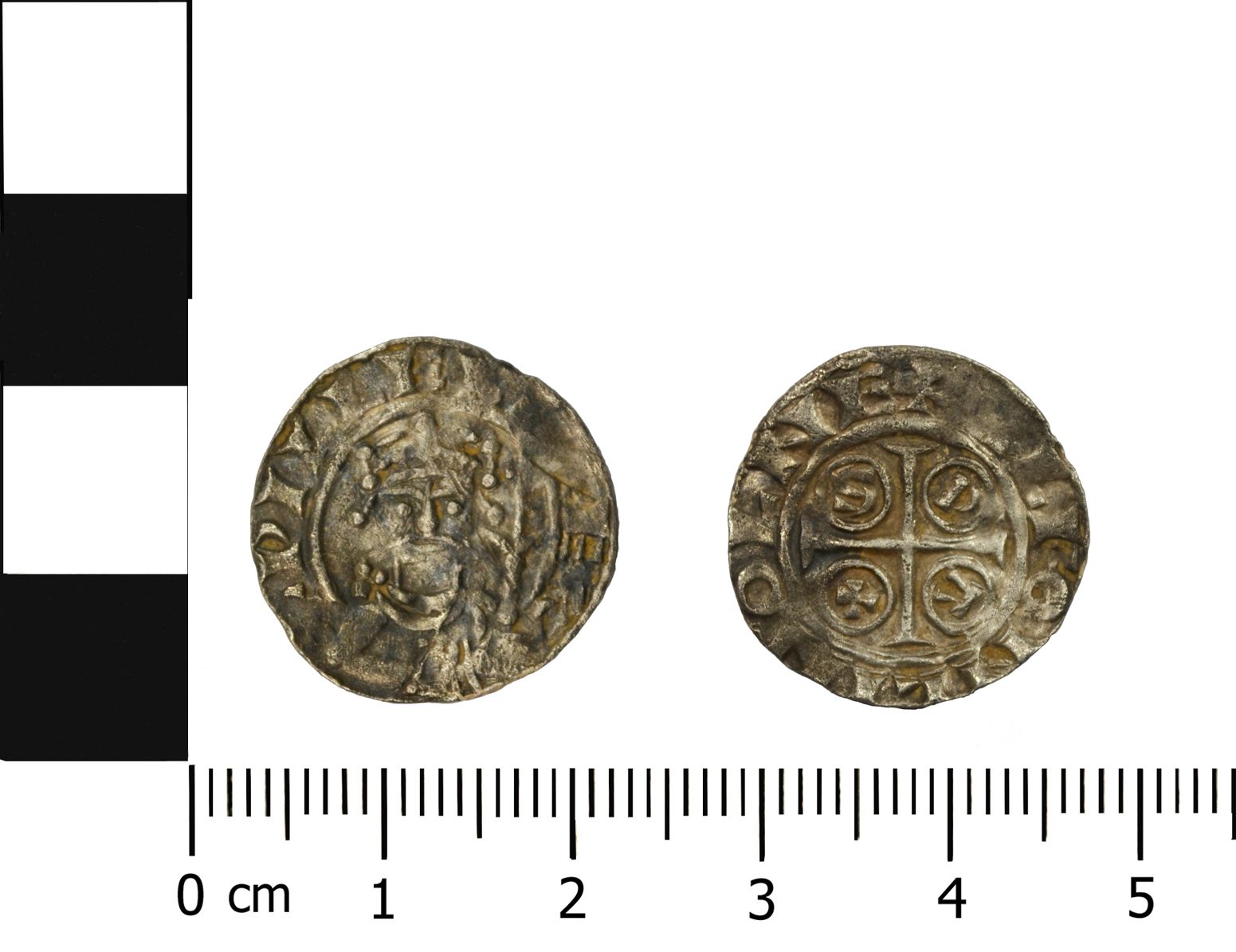
On 30 June 1833 four small boys playing marbles near Winchester spotted lead in a cart rut and pulled out silver coins. They thought they were buttons. The hoard held thousands of pennies of William the Conqueror, almost all of a type that had been nearly unknown.
On the afternoon of Sunday 30 June 1833, four boys, none of them older than ten, were playing marbles on a patch of pasture near the manor house at Beauworth, a village eight miles east of Winchester. One of them noticed a piece of lead sticking up in a wagon-wheel rut. He put his hand into the hole beneath it and pulled out a fistful of coins.
The boys took them for old buttons. Some were hidden in a potato field, some were thrown into a pond and more were scattered along the road, and villagers soon joined the scramble. When the parents complained, the landowner, Mr Dunn of Alresford, claimed the find, and by that evening about 6,500 coins had been recovered. He gave the proceeds to charity and rewarded the finders. About a hundred more were reportedly sold in Southampton.
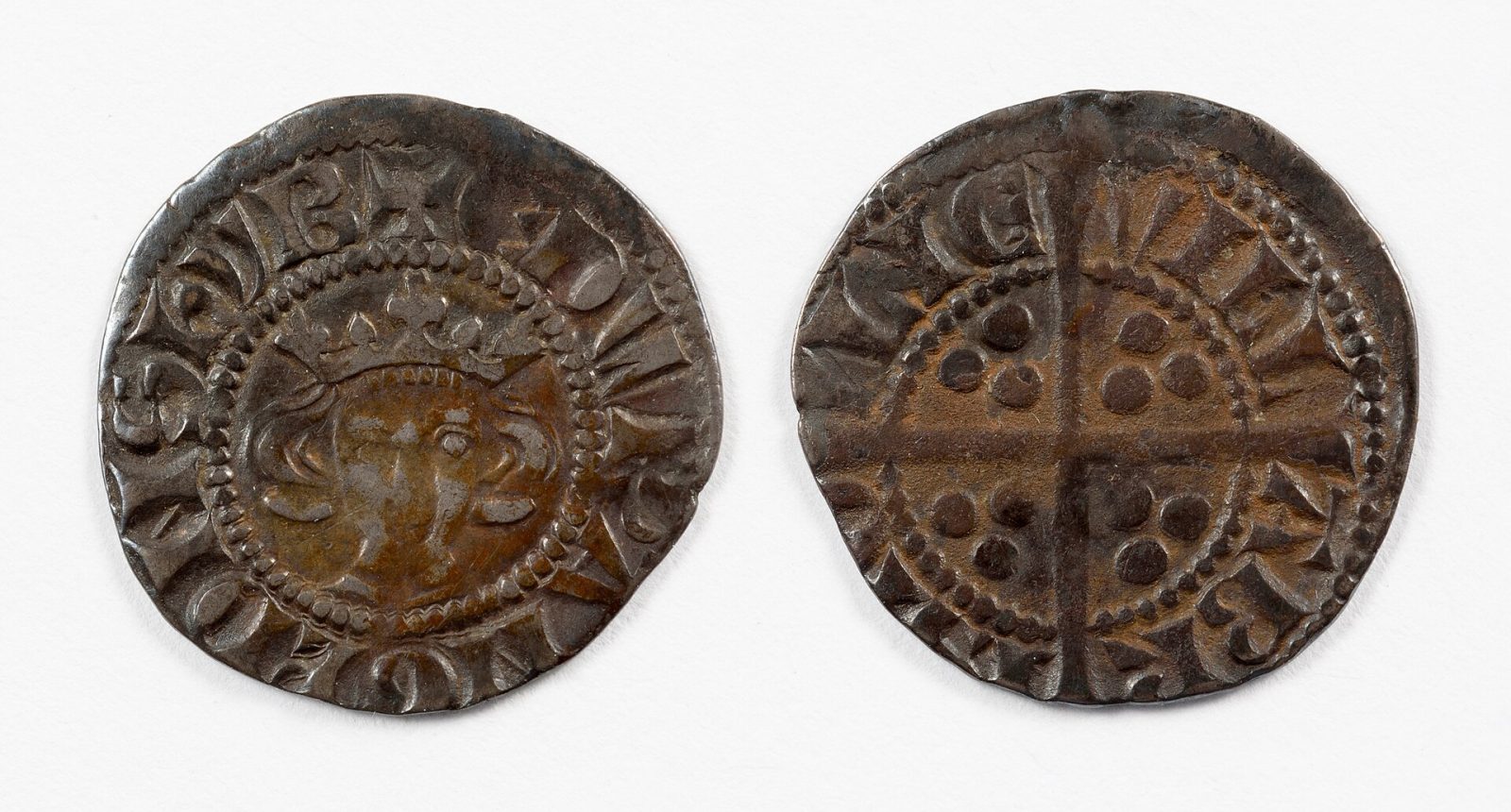
The coins had been packed in neat layers in a lead box, crushed in the excitement, which seems to have stood inside a wooden chest whose iron handle survived. Estimates of the original total range from 8,000 to 12,000 silver pennies; 6,282 were recorded. Edward Hawkins of the British Museum examined about 6,500 and found that all but around a hundred were of a single type of William the Conqueror, known as PAXS from the letters of the Latin word for peace set in the angles of the cross on the reverse. Before 1833 the type was almost unknown; Beauworth made it one of the commonest Norman coins. They came from mints across England, from London, Winchester and Lincoln to Hastings, Hereford and Launceston.
The PAXS type is dated to about 1083 to 1086, so the hoard was probably buried in the last years of William's reign; he died in 1087. With no other objects in the box, it looks like a store of cash, but who put it in the ground, and why it was never recovered, is not known.
The British Museum has held coins from the hoard since 1833, though they are not normally on display, and others passed through private collections and still appear at auction.
Written for Global Finds from E. Hawkins's account of 1834 as quoted by Spink, the British Museum collection and the Hampshire gazetteer of 1868. Photo: a William I penny of the PAXS type from the Winchester mint (not from the hoard), The Portable Antiquities Scheme, Wikimedia Commons, CC BY 2.0.
Approximate location51.03, -1.18View on map