The Podmokly Hoard: a storm, a riverbank and a cauldron of Celtic gold that a prince melted down into ducats
Famous find Buried in the 1st century BC · Found in 1771 See it on the timeline →
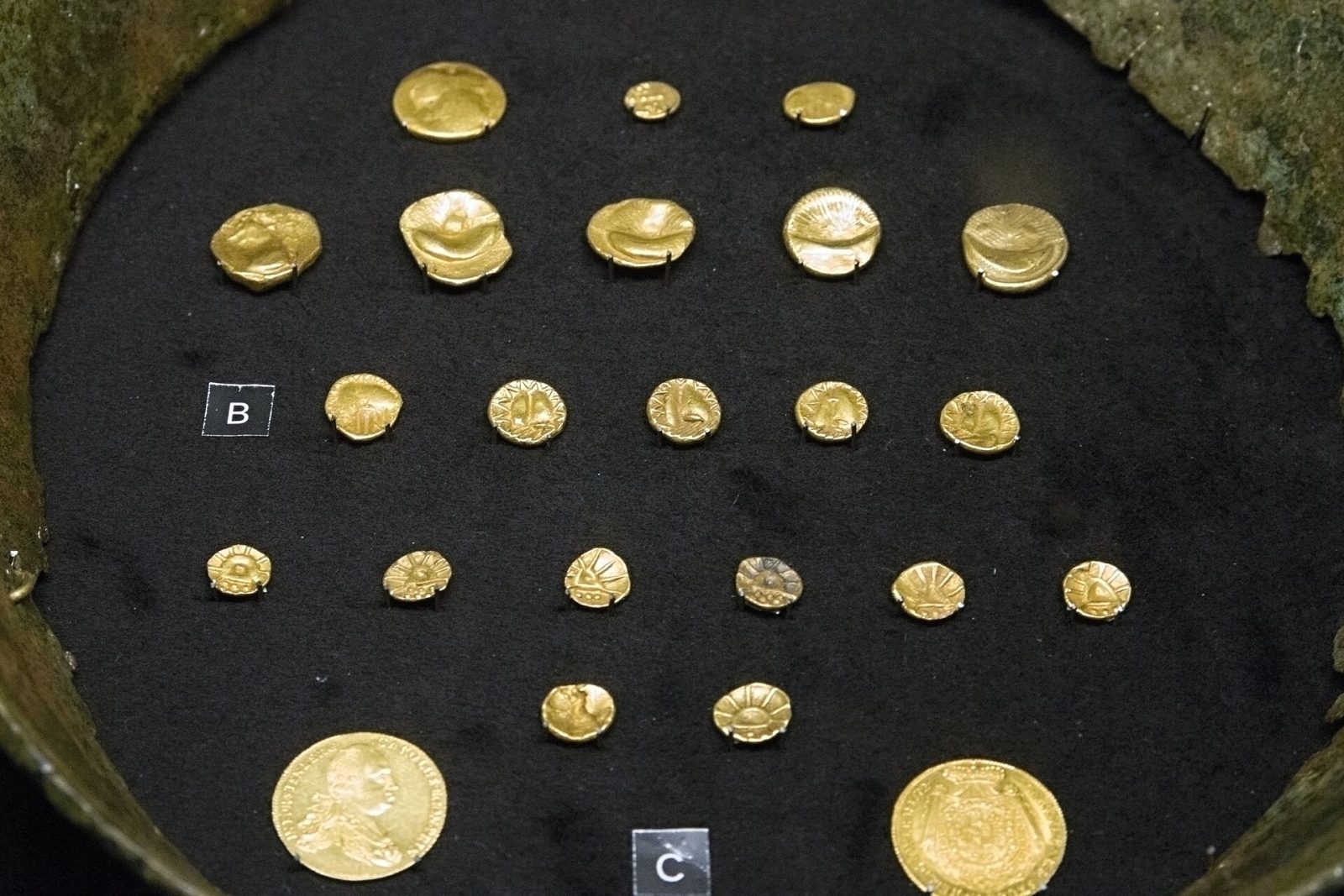
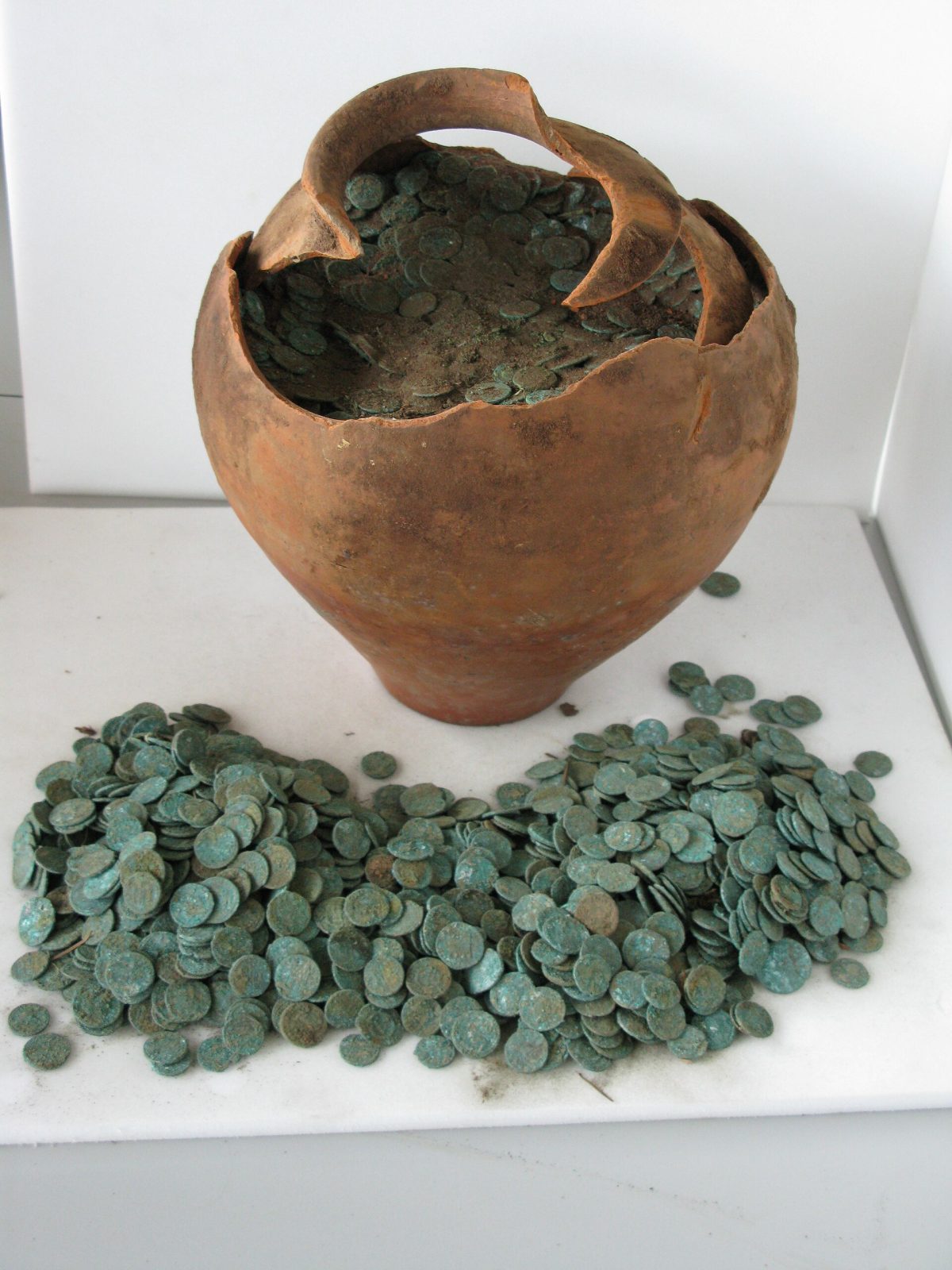
In June 1771, after a violent storm, a farm labourer mowing hay in Bohemia found that the swollen Podmokly stream had washed a bronze cauldron out of its bank, spilling thousands of Celtic gold coins. Almost all of them were melted down, and only a few dozen survive.
In June 1771, after a violent storm, a day labourer named Janota, usually identified as Jan Koch, was mowing hay beside the Podmokly stream, near the village of Podmokly in the Rokycany district of western Bohemia, now in the Czech Republic. The flood had undercut the bank, and a bronze cauldron had tumbled into the water and spilled its contents. It was full of gold coins. The standard date of the find is 12 June; a parish record of the time gives 11 June.
According to a family tradition published in 1996, the mowers took the coins for brass buttons and carried them home by the sleeveful for their children to play with. They were in fact Celtic gold staters, small and dish-shaped, each weighing about 7.2 grams, with fractions of a third and an eighth. Coins of this kind are known in central Europe as rainbow cups, from an old belief that they were found where a rainbow touched the ground. They were struck by the Boii, the Celtic people who gave Bohemia its name, and the hoard was probably buried in the middle of the 1st century BC.
Nobody knows exactly how big it was. Written reports of the time account for about 4,200 coins, but the original total is thought to have been between 5,000 and 7,000, perhaps 30 to 40 kilograms of gold. That makes it one of the largest hoards of Celtic gold ever found.
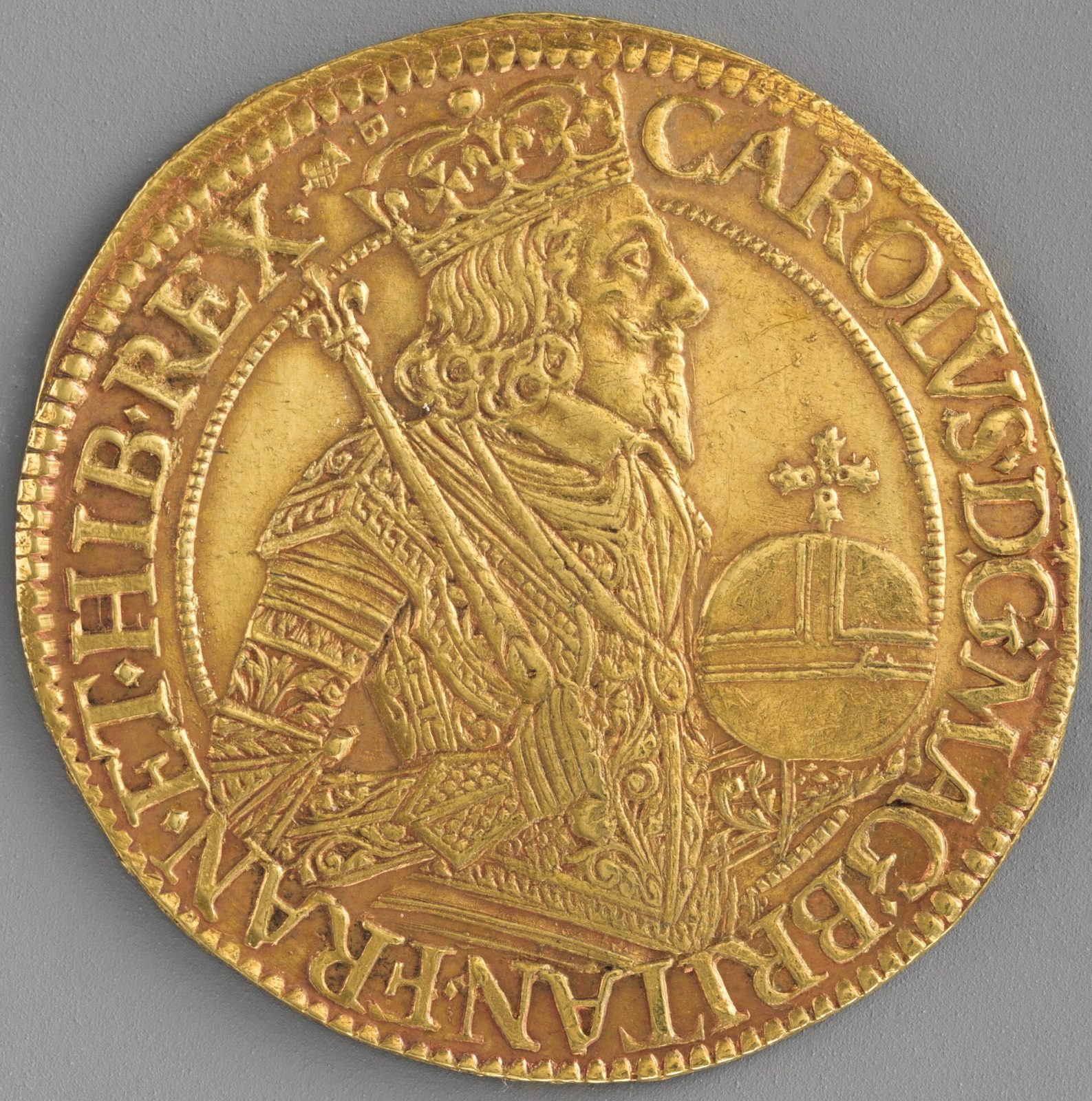
The land belonged to the estate of Prince Karl Egon I of Fürstenberg, and the gold that had been shared out in the village was taken back, by force according to later accounts. Almost all of it was melted down at the Prague mint and struck into new ducats, some of them bearing the prince's portrait. One of those ducats sold at auction in Prague in 2021.
Only a few dozen of the original coins survive, in museums in Prague, Vienna, Berlin, Dresden and Budapest. The National Museum in Prague holds about two dozen, with part of the vessel. A stone memorial dated 1771 still marks the findspot.
Written for Global Finds from J. Ryant in Numismatické listy (National Museum, Prague, 2016), J. Militký in Numismatické listy (2013) and Blesk (2021). Photo: surviving coins from the Podmokly Hoard in the National Museum, Prague, Zde, Wikimedia Commons, CC BY-SA 4.0.
Approximate location49.95, 13.71View on map