The Tregwynt Hoard: Civil War gold and silver under a Pembrokeshire lawn, found when the owners wanted a tennis court
Famous find Buried about 1648 · Found in 1996 See it on the timeline →
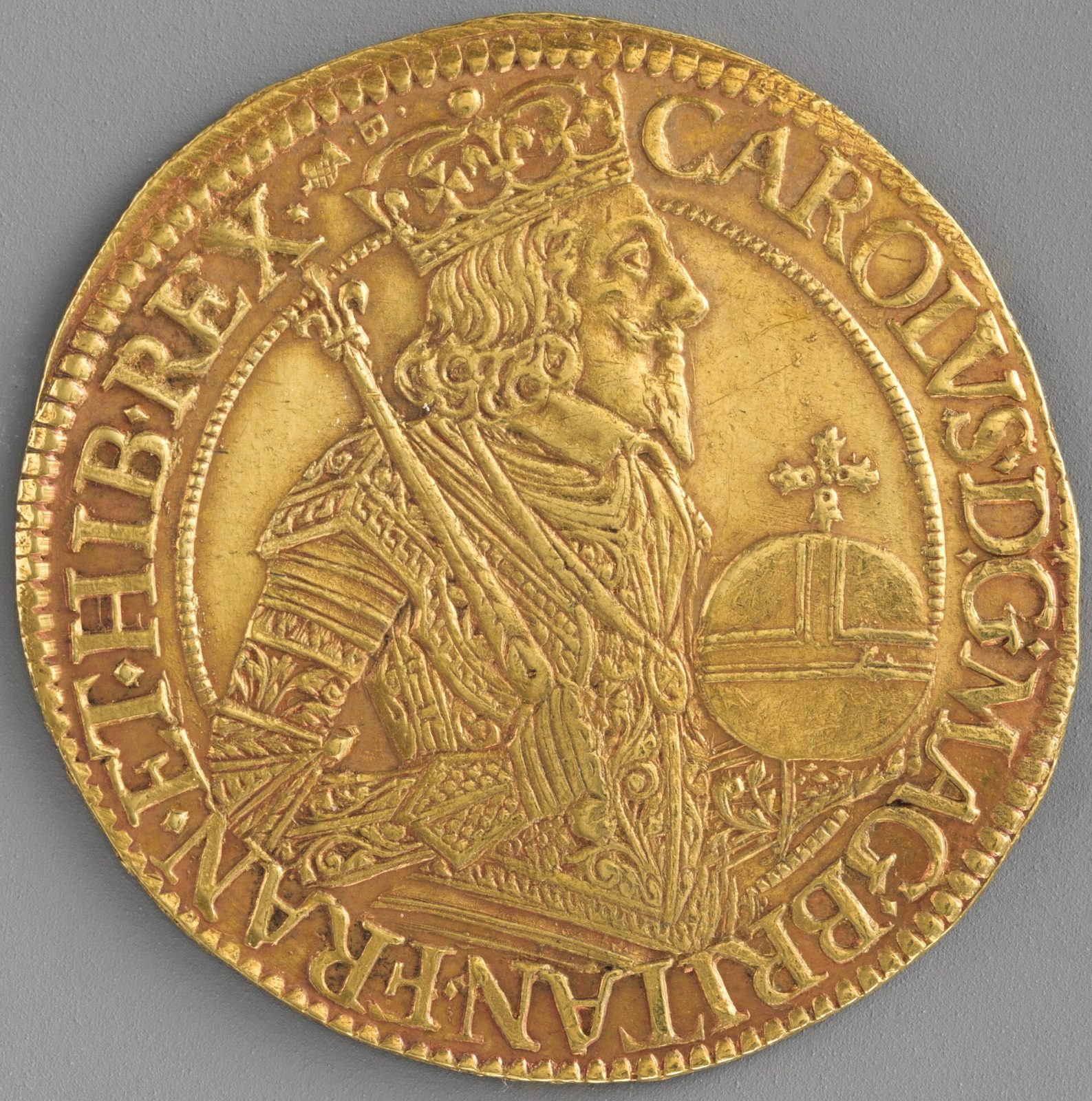
In September 1996 the owners of Tregwynt Mansion near Fishguard were levelling the lawn for a tennis court when coins appeared. A local detectorist asked to search, and 500 gold and silver coins and a gold posy ring came up, buried around 1648 during the Second Civil War.
On 17 September 1996, the owners of Tregwynt Mansion, an old house near Fishguard on the Pembrokeshire coast, were levelling part of the lawn to make a tennis court when coins came out of the ground. A local metal detectorist, Roy Lewis, asked if he could search before the work went on, and within a few days 87 coins had been found. A digger was hired to help, and by mid-October the total stood at 500: 33 gold coins and 467 silver.
Local legend said that guests at a ball hid their valuables in the grounds when the French landed at Fishguard in 1797. The treasure was real, but 150 years older.
The coins span a century, from a gold crown of Henry VIII, through sixpences and shillings of Edward VI, Philip and Mary and Elizabeth I, gold of James I and Charles I, and a Scottish gold coin of James VI dated 1602. Others came from seven of the emergency mints that the Royalists set up during the Civil War, among them a Shrewsbury half crown of 1642, and there were two rare Irish pieces: a half crown probably struck by the Catholic Confederacy around 1642 and a Dublin emergency crown of 1643. With them were scraps of pottery, a sheet of lead that was probably the lid of the container, and a gold posy ring inscribed inside "Rather death then falce of fayth".
The latest coin is a shilling with a sceptre mint mark, used in 1647 and 1648, so the hoard went into the ground in 1647 or later. In 1648 Pembrokeshire was at the heart of the Second Civil War: Parliament's governor of Pembroke Castle rebelled, the rising was crushed at St Fagans in May, and Cromwell besieged Pembroke. National Museum Wales thinks a link with those events highly likely. The coins were worth £51 9s, about a month's pay for fifty soldiers.
An inquest at Haverfordwest declared the hoard treasure trove in June 1997, and Amgueddfa Cymru, Museum Wales, acquired it in 1998 with help from the Heritage Lottery Fund. It is now held in the museum's collections in Cardiff.
Written for Global Finds from Amgueddfa Cymru, Museum Wales (2007), BBC News (2007) and The E-Sylum (2007). Photo: a gold unite of Charles I of the kind found at Tregwynt (not from the hoard), Metropolitan Museum of Art, Wikimedia Commons, CC0.
Approximate location51.97, -5.07View on map
Source: Amgueddfa Cymru, Museum Wales