Gwynedd man finds 3,000-year-old Bronze Age gold bracelet
Late Bronze Age, about 3,000 years old See it on the timeline →
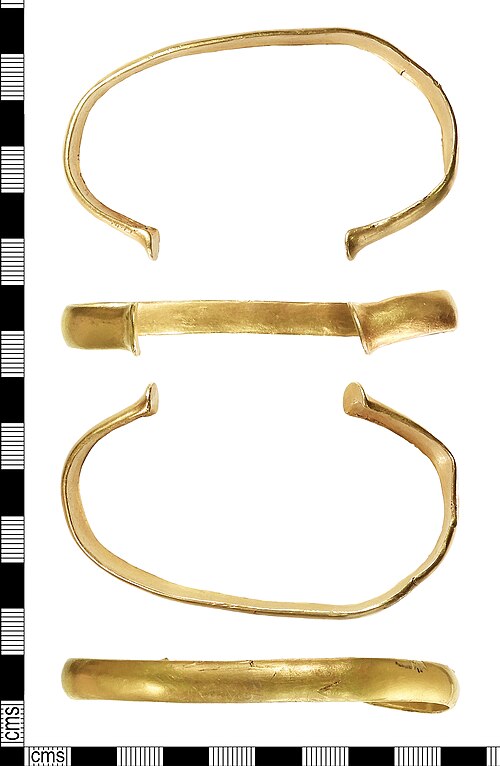
Twenty minutes into a search near Bala, a detectorist found a 3,000-year-old gold bracelet he first took for tin foil. A coroner has declared it Treasure, and Storiel in Bangor hopes to acquire it.
Idris Thomas had been metal detecting for only about 20 minutes on farmland belonging to Geraint Edwards at Llanuwchllyn, near Bala in Gwynedd, when his detector gave a signal. He thought it would be another piece of tin foil, until he saw a flash of gold.
It was a late Bronze Age gold bracelet, around 3,000 years old. It is penannular, an open ring with a gap, with a smooth, rounded band and ends that flare out slightly. Preliminary tests at Amgueddfa Cymru, the national museum of Wales, found it to be 92.8 per cent gold. Experts think it would have belonged to someone of high status in a farming community.
At a hearing in Caernarfon, the deputy coroner for north-west Wales, Sarah Riley, declared the bracelet Treasure and described it as absolutely stunning. Mr Thomas called it a once-in-a-lifetime find and said he was over the moon.
Storiel, the museum and art gallery in Bangor, has said it would like to acquire the bracelet once it has been independently valued by the Treasure Valuation Committee. Brett Hammond of Timeline Auctions has suggested it could be worth £15,000 to £20,000. Any reward will be shared between the finder and the landowner.
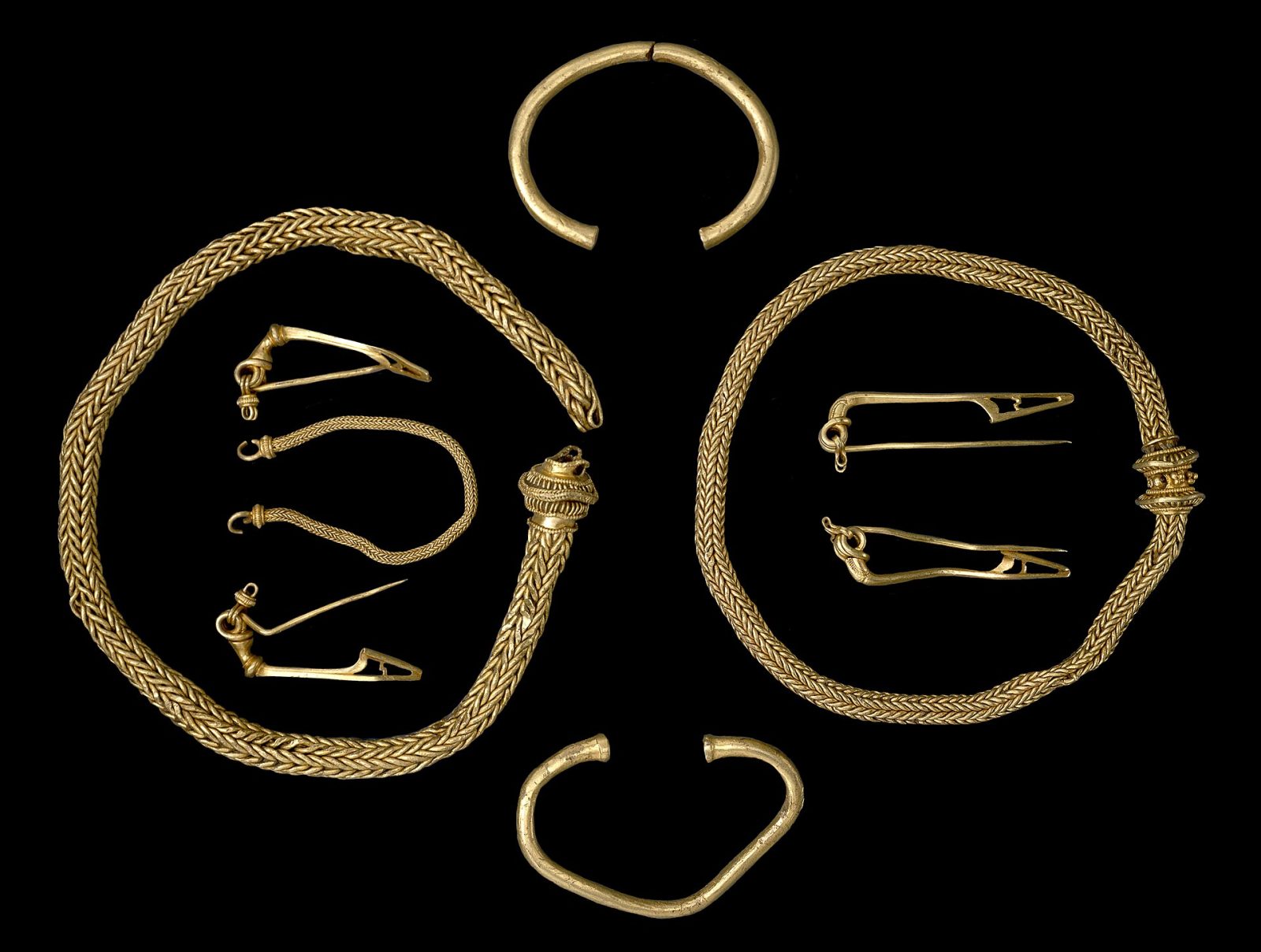
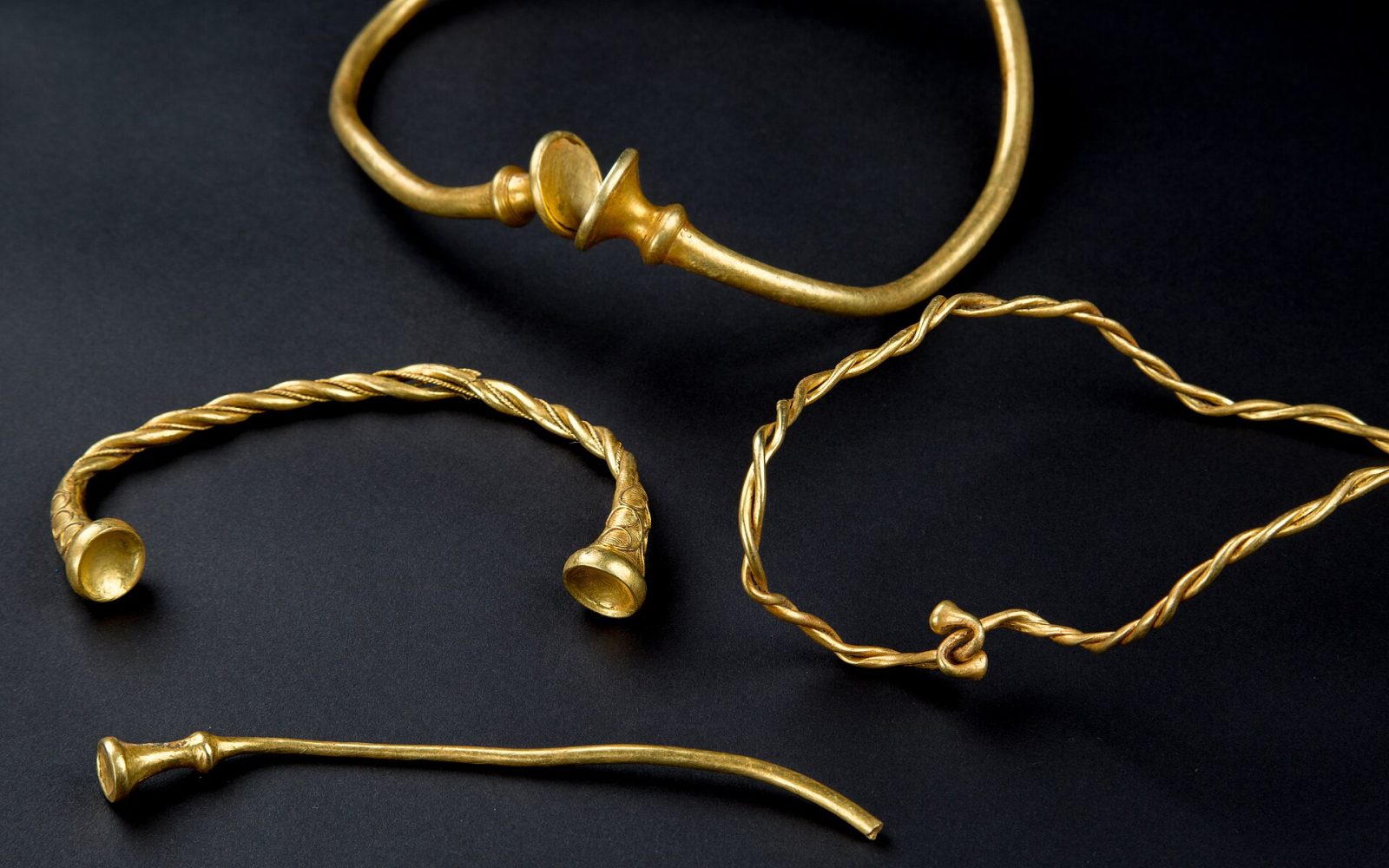
Reported by BBC Wales (17 September 2026). Written for Global Finds from that report. Photo: a late Bronze Age gold penannular bracelet recorded with the Portable Antiquities Scheme (not this find), The Portable Antiquities Scheme, Frank Basford, Wikimedia Commons, CC BY 2.0.
Approximate location52.86, -3.67View on map
Source: Yahoo
Also reported by