16 published discoveries from Wales — coins, hoards, jewellery and artefacts recovered by detectorists and archaeologists.
Global Finds has 16 finds from Wales: 12 famous historical finds and 4 news reports of recent discoveries. They are filed under artefacts (6), hoards (4), jewellery (3), weapons (2) and mystery (1). Together they span from 2,400 BC to 1648. The oldest is the Llanllyfni Lunula, about 2400 to 2000 BC. The most recent discovery is Myah's iPhone, Colwyn Bay, found in 2026. Famous finds from Wales include the Mold Gold Cape, the Llyn Cerrig Bach hoard and the Caergwrle Bowl.
The law: In England, Wales and Northern Ireland, finds that may be Treasure (gold and silver objects over 300 years old, groups of coins, and since 2023 some single objects of outstanding importance) must be reported to the coroner within 14 days, usually through a Finds Liaison Officer, and other finds can be recorded with the Portable Antiquities Scheme.
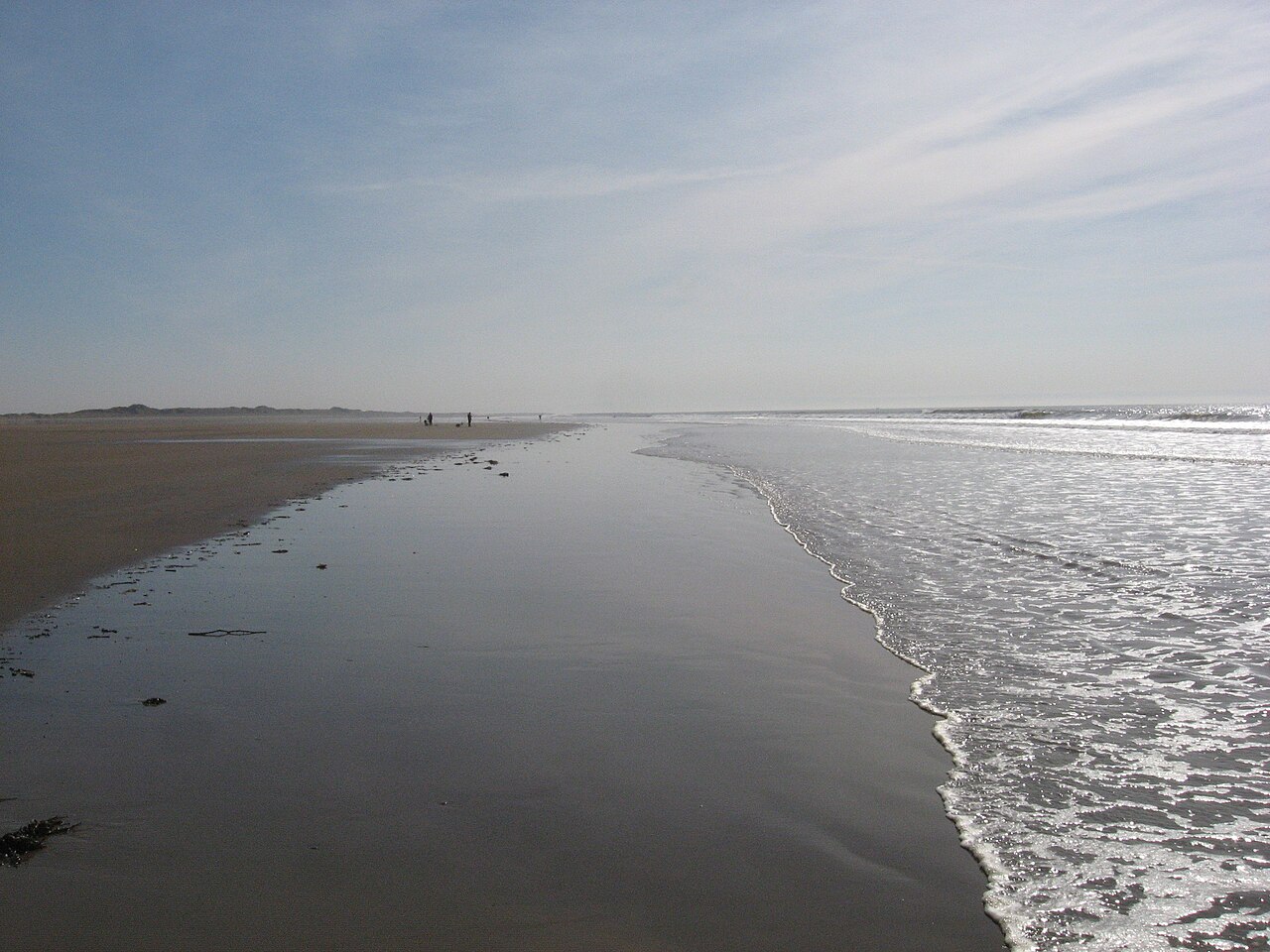
A brass combination lock found by detectorist Peter Hughes on Morfa beach, Margam, has given up its secret. Using micro CT scanning, experts from Amgueddfa Cymru and Cardiff University found the code to the lock from the Ann Francis, wrecked in 1583. It spells ANCE.
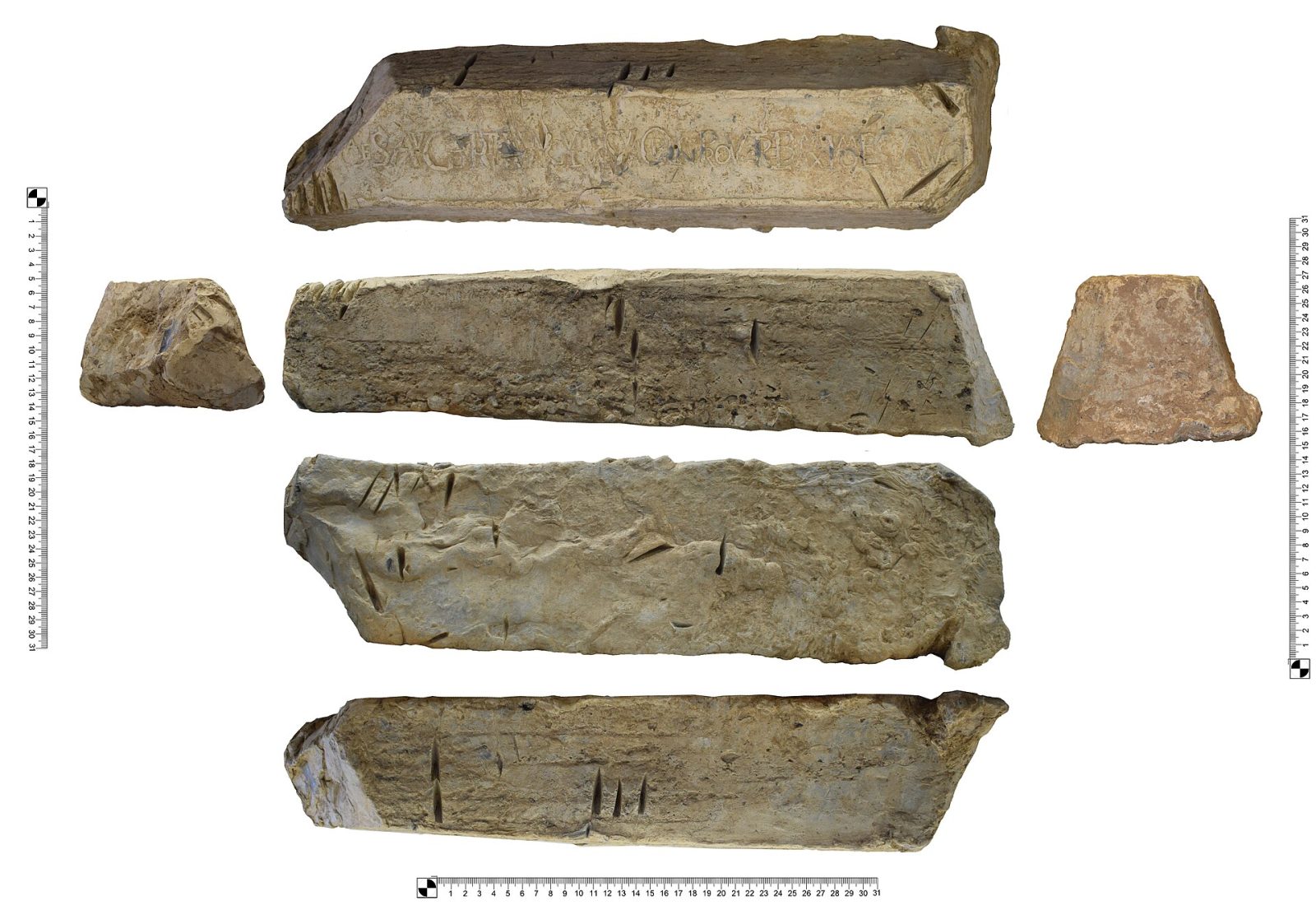
In September 2019 detectorist Rob Jones found the corner of an inscribed lead block in a field near Rossett, Wrexham, and called the Finds Officer. It was a 63 kg Roman ingot cast under Nero and naming the governor Trebellius Maximus, and it led to North Wales's first known Roman villa.
FF 566
Famous findLate Iron Age, 1st century AD · found 2018
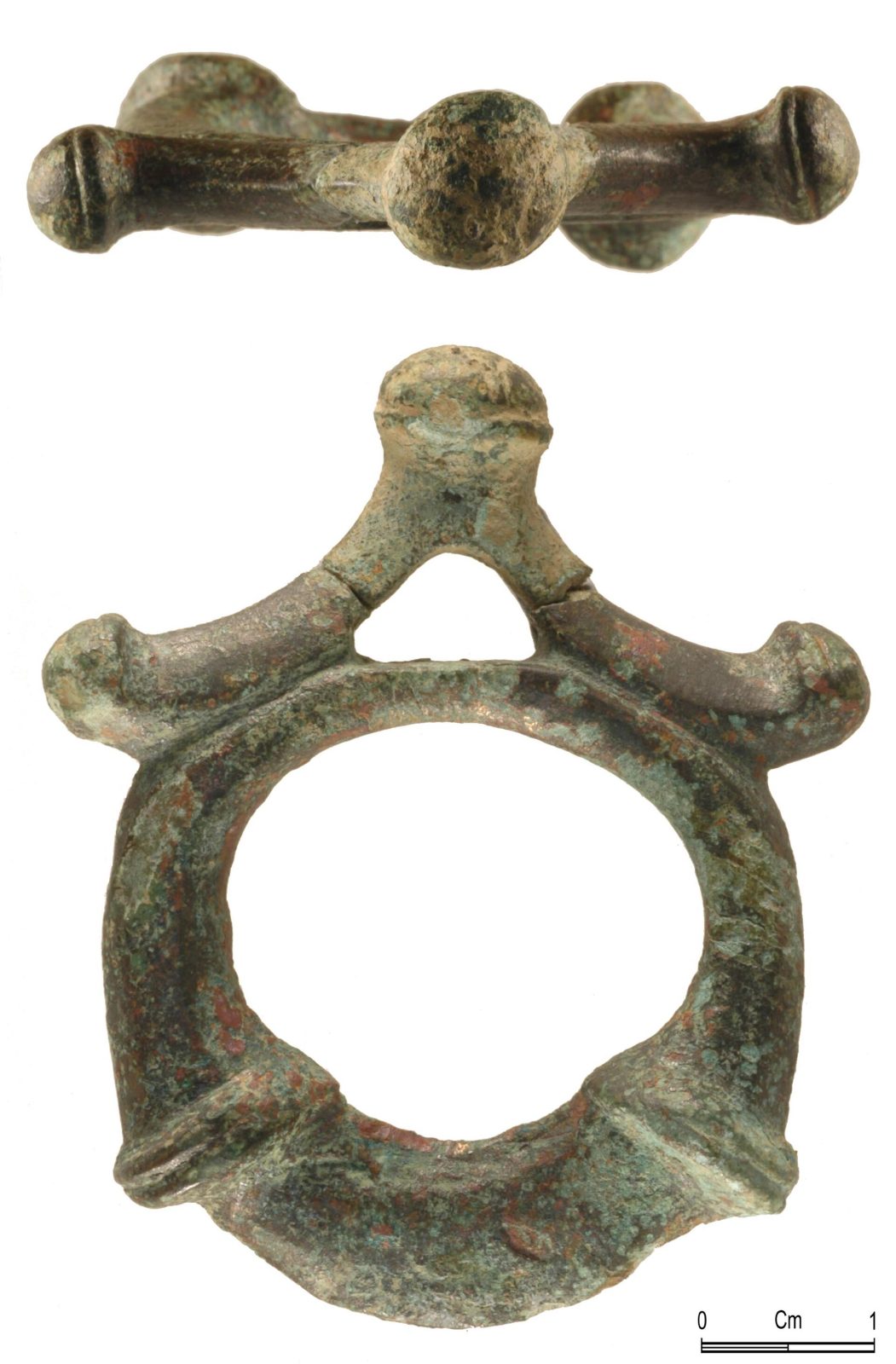
In February 2018 Mike Smith of Milford Haven, finding his usual field flooded, detected a different one in south Pembrokeshire and found enamelled bronze harness fittings. They led archaeologists to an Iron Age warrior buried with a chariot and a sword, the first chariot burial found in Wales.
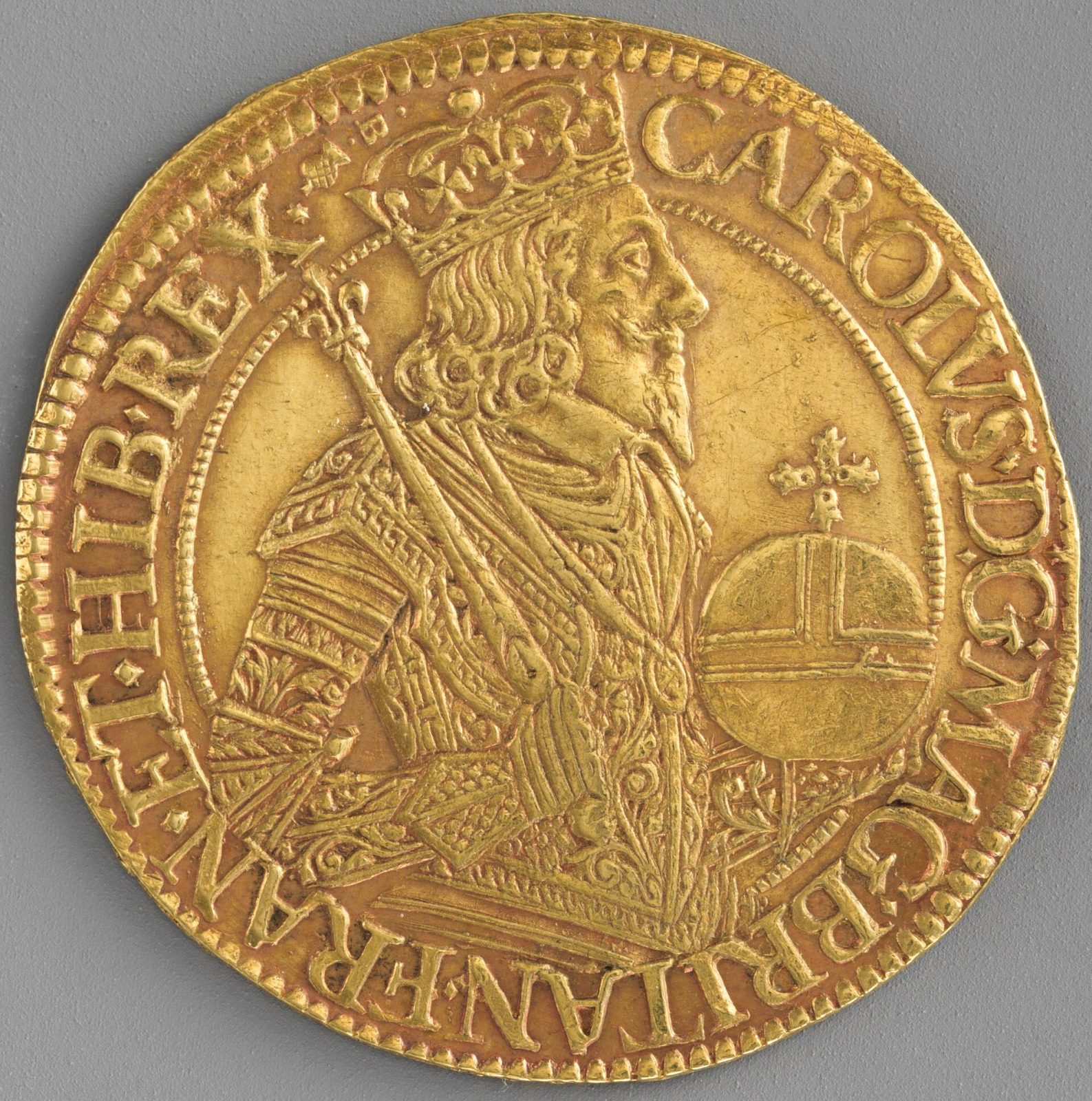
In September 1996 the owners of Tregwynt Mansion near Fishguard were levelling the lawn for a tennis court when coins appeared. A local detectorist asked to search, and 500 gold and silver coins and a gold posy ring came up, buried around 1648 during the Second Civil War.
FF 346
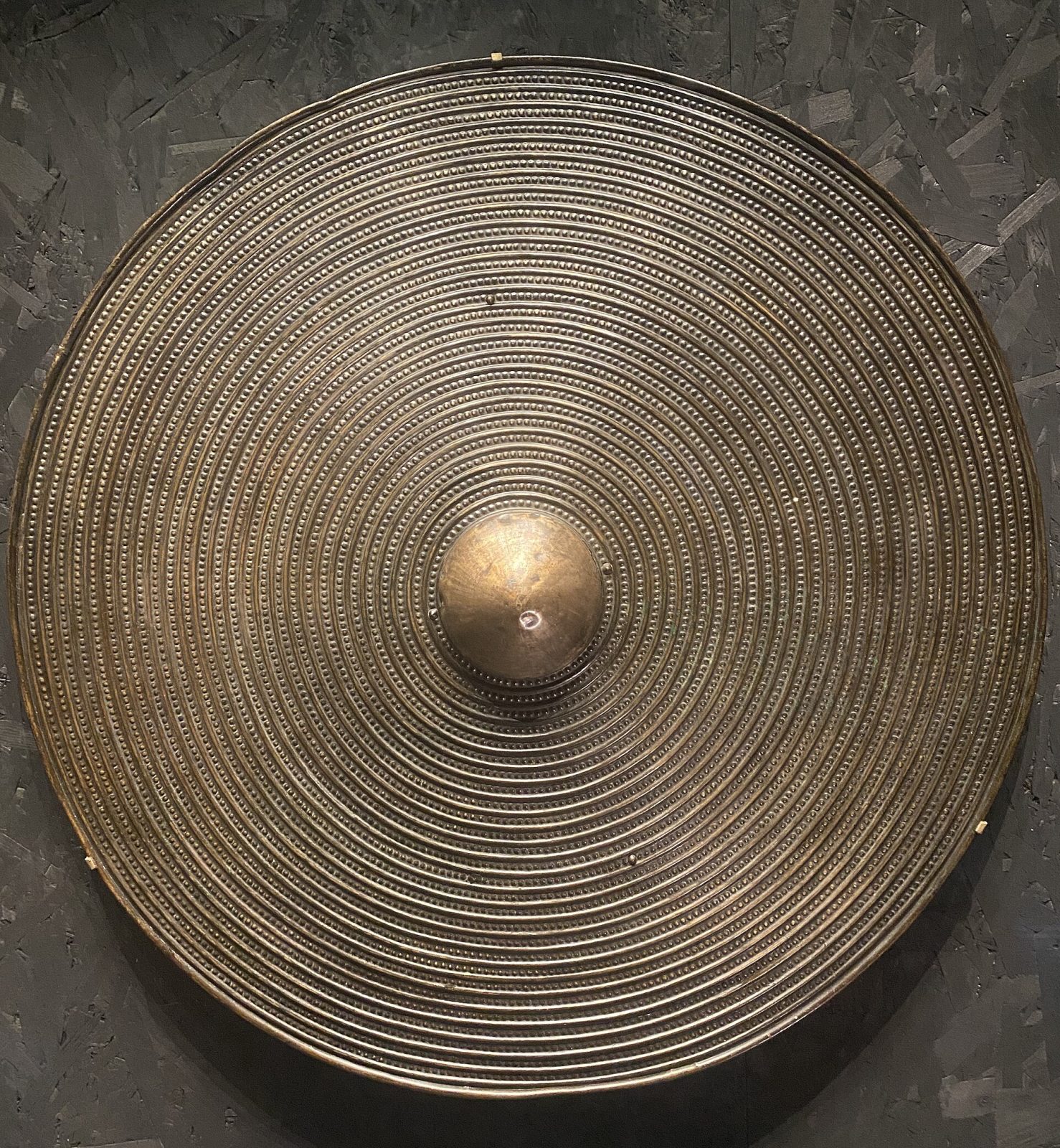
Famous findMade about 1300 to 1000 BC · found 1784
In 1784 peat-cutters on a mountain bog in Snowdonia dug up a round bronze shield in near-perfect condition. Made around 1300 to 1000 BC, it is one of only two shields of its kind from Wales, and even the records disagree about which mountain it came from.
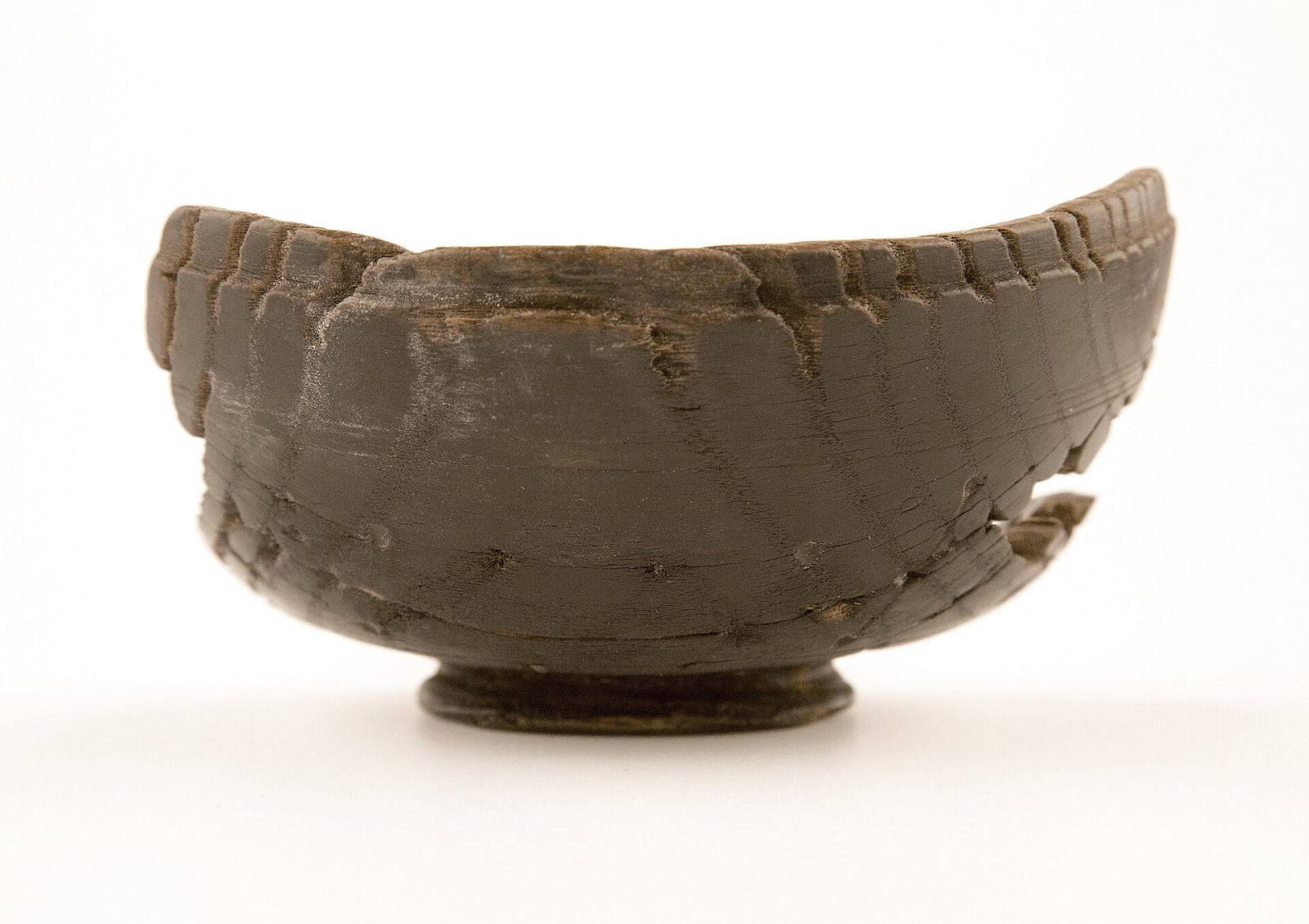
The Nanteos Cup is the broken half of a medieval wooden bowl, kept for generations at Nanteos mansion near Aberystwyth and lent to the sick to drink from. Legend made it the Holy Grail; experts call it a 14th or 15th-century mazer. Stolen in 2014, it was returned in 2015.
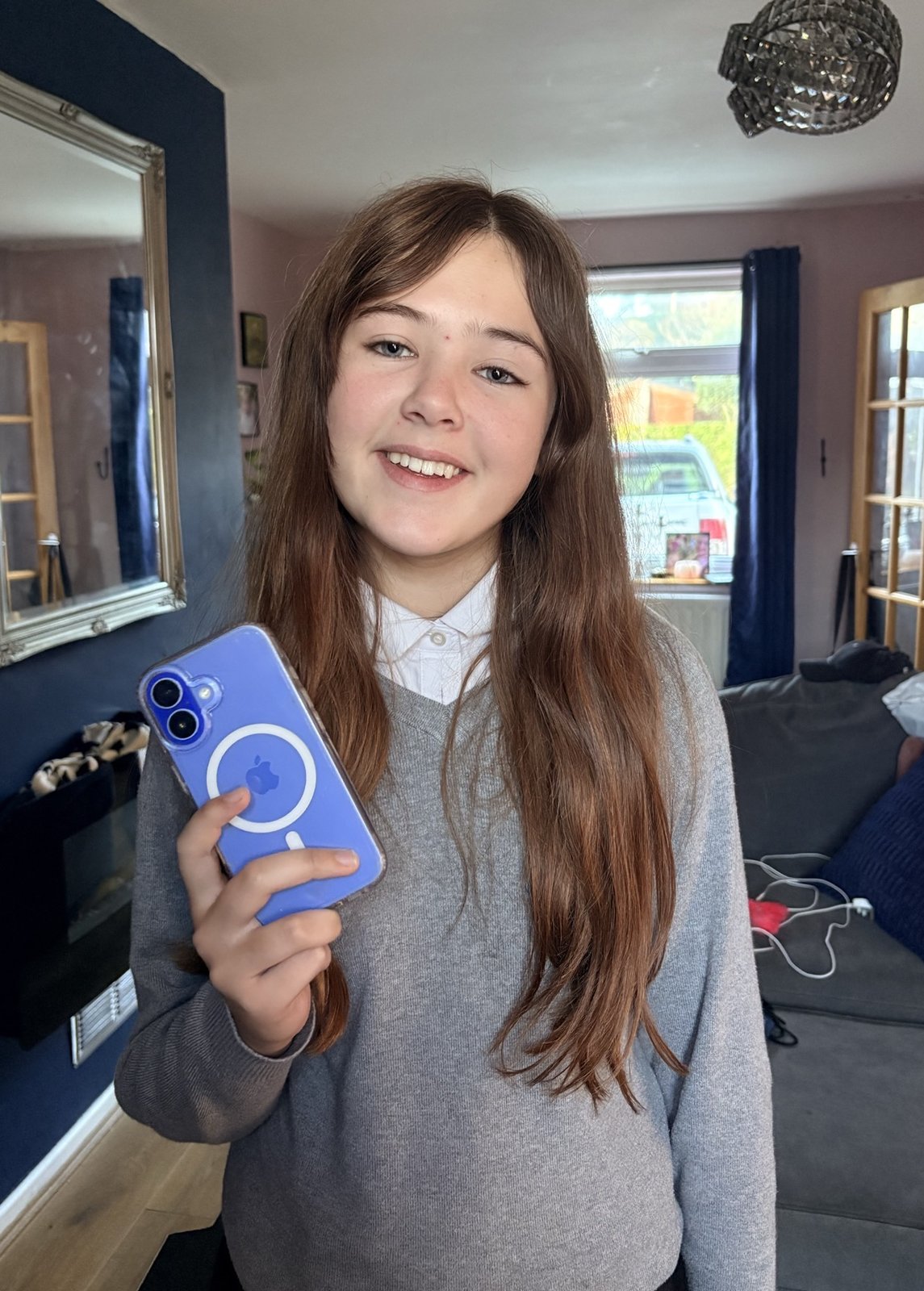
On 3rd October 2026, Rob dug an iPhone out of the wet sand on Cayley Beach, Colwyn Bay. It still worked; its Lost Mode message gave a number, and within the week it was back with Myah in Market Drayton, 73 miles away, who had lost it in the sea on 25th August.
FF 283
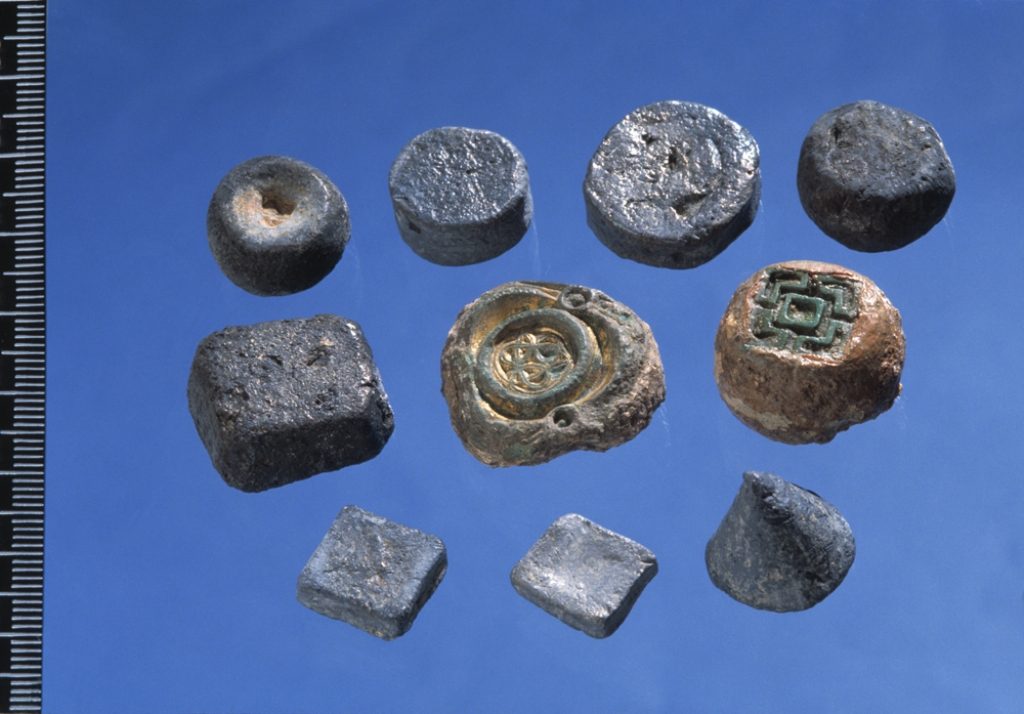
Famous find9th and 10th centuries AD (Viking Age) · found 1989
Between 1989 and 1993 two metal detectorists searching fields at Llanbedrgoch on Anglesey found early medieval coins and lead weights and reported them to the National Museum of Wales. Excavation revealed a trading centre unique in Wales, full of hacksilver.
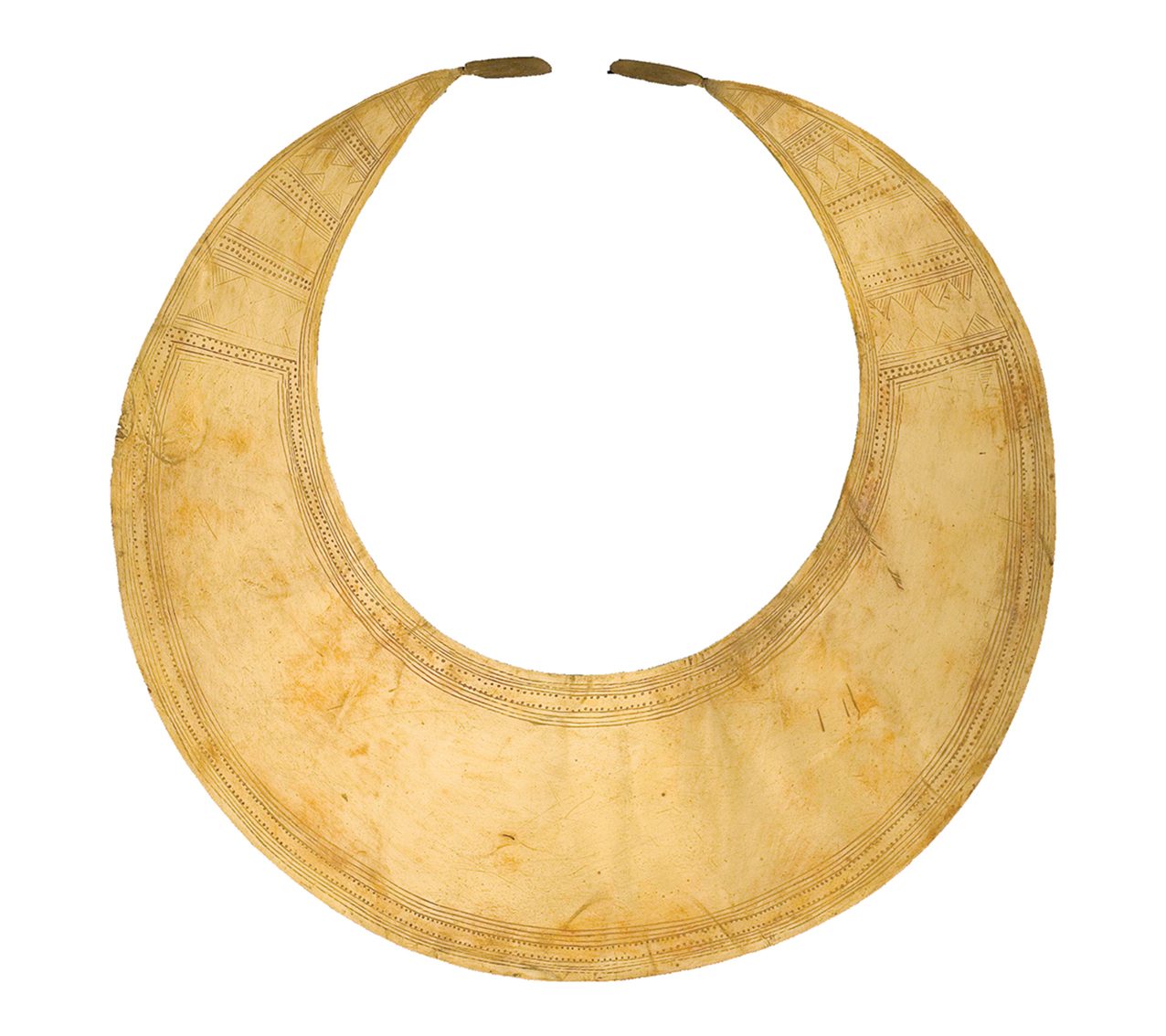
Around 1869 a Gwynedd farmer saw what he thought was a yellow laurel leaf sticking out of a peat bog. It was an Early Bronze Age gold collar, more than 4,000 years old. In October 2025 it was stolen from St Fagans museum in a night-time raid.
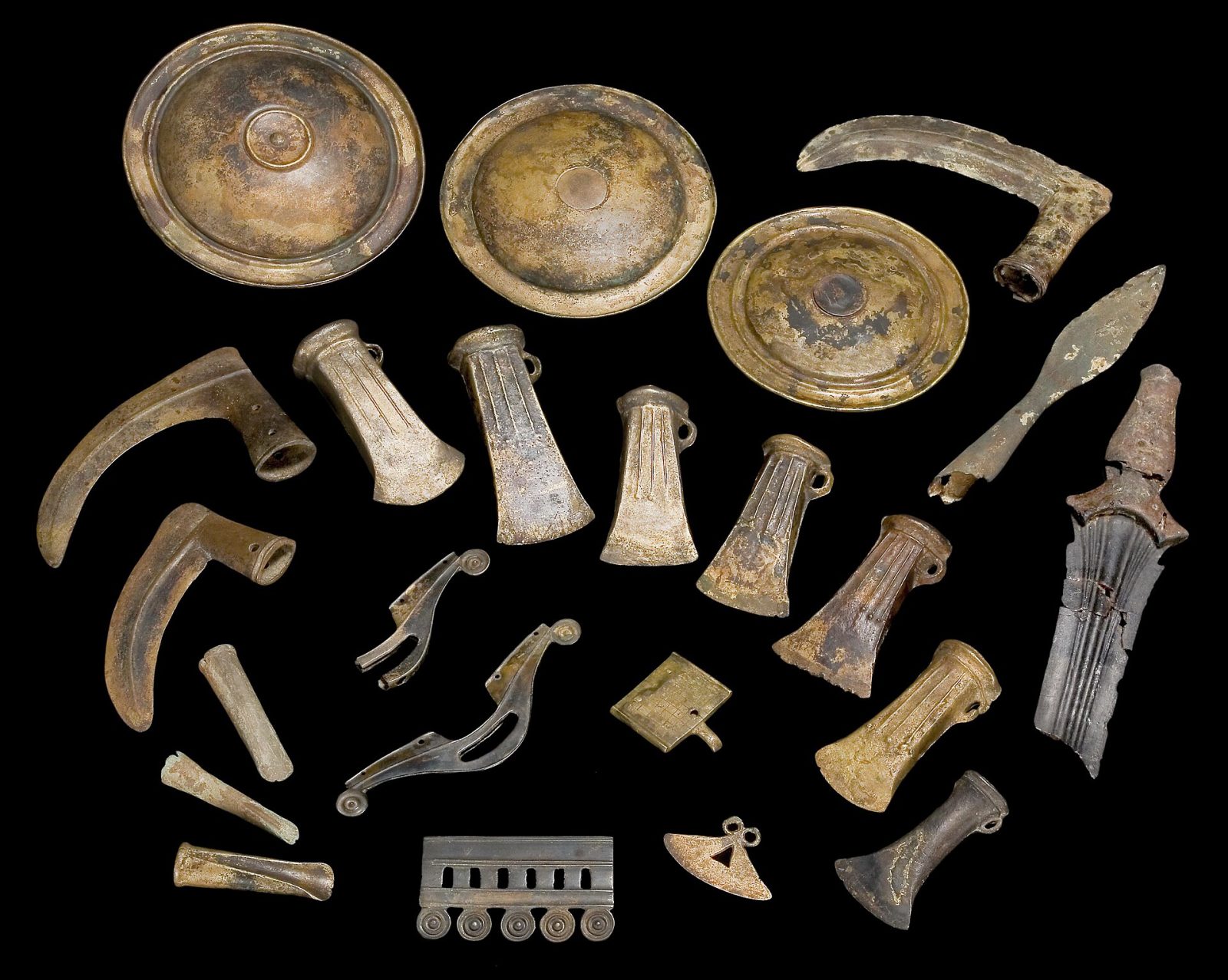
Between 1911 and 1912 workmen turning a mountain lake in the Rhondda into a reservoir found a hoard of bronze and iron in the peat: cauldrons, axes, sickles and an iron sword, among the earliest iron objects ever found in Britain.