The Sysmä hoard: a detectorist found Finland's largest Viking Age coin hoard in two birch-bark containers
Buried in the 11th century; some coins struck AD 1000 to 1050 · Found in 2026 See it on the timeline →
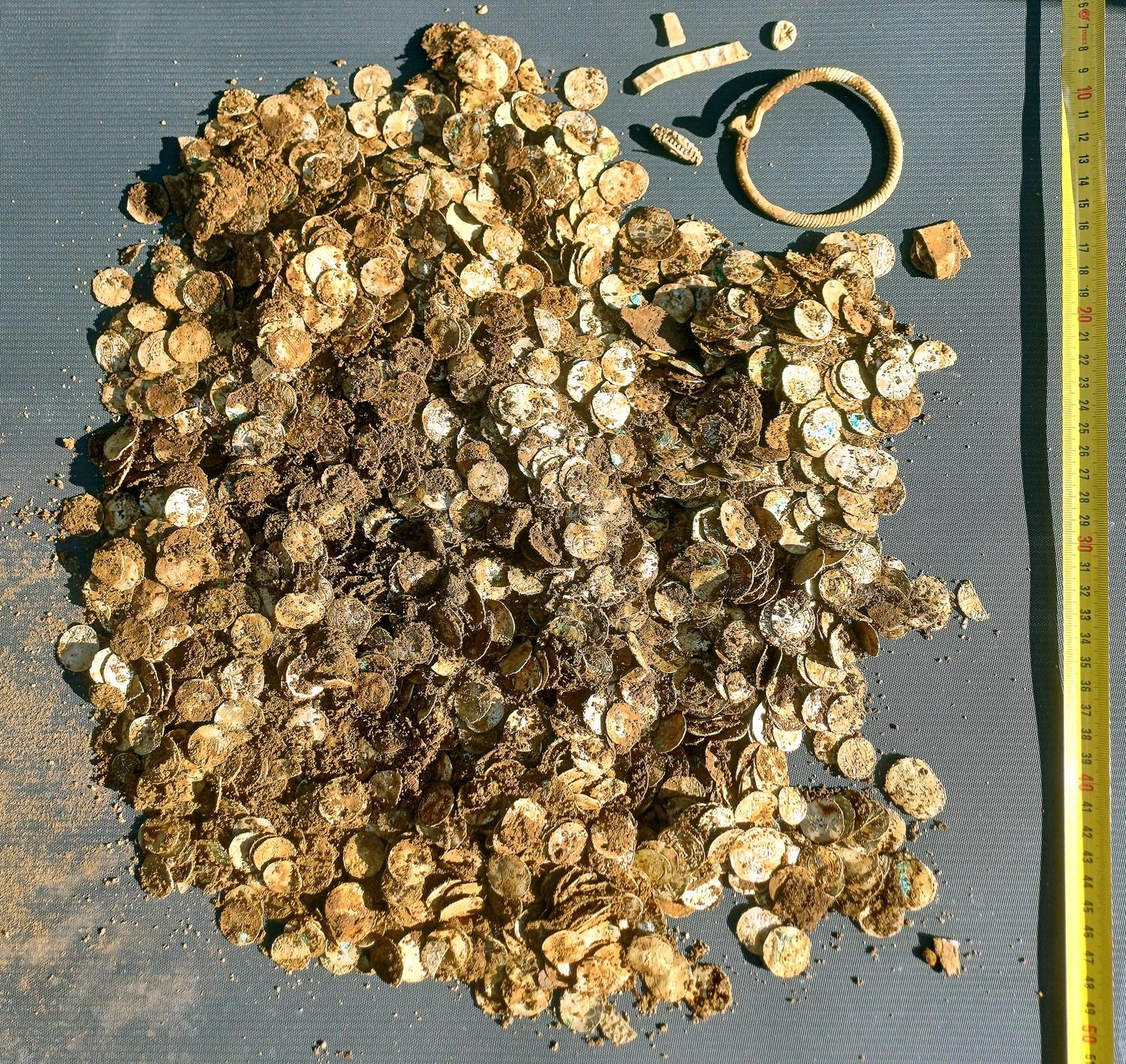
A detectorist near Sysmä in southern Finland has found the country's largest Viking Age coin hoard: about 4.5 kilograms of silver coins, split between two birch-bark containers.
On 3 September 2026, metal detectorist Kalle Lappinen was searching near the church village of Sysmä, in the Päijät-Häme region of southern Finland, when he found silver coins. The next day, archaeologist Esko Tikkala of Lahti Museums, the regional museum responsible for the area, examined the site and supervised the recovery of the hoard.
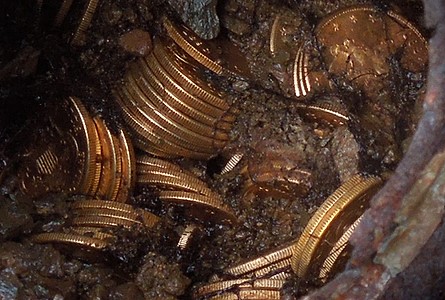
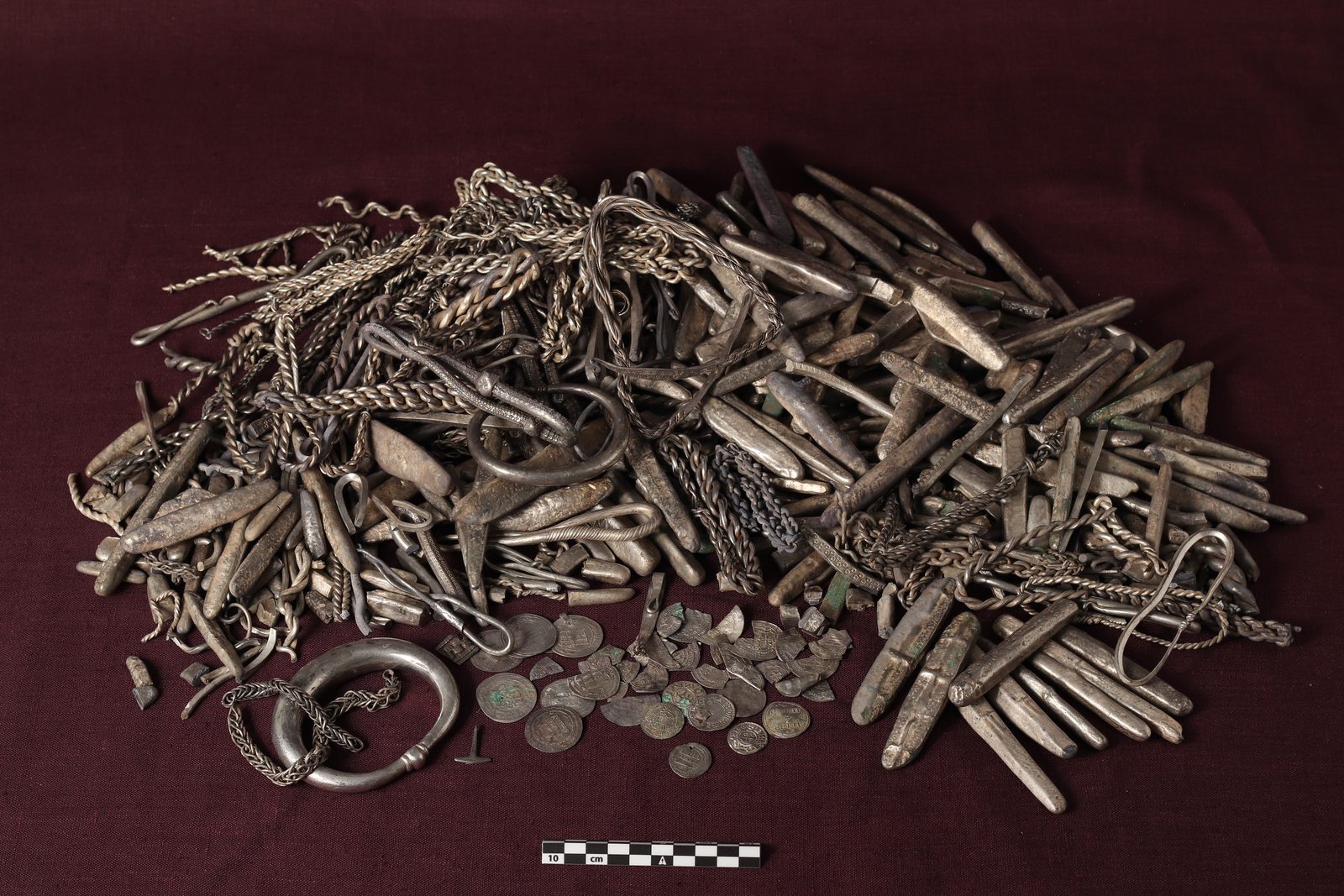
The coins had been packed into two containers made of birch bark, placed among stones about 45 centimetres down, roughly 12 metres apart. Some of the birch bark has survived, which is rare, and shows how silver was wrapped for burial. Together the coins weigh about 4.5 kilograms. They are still stuck together, uncleaned and uncounted, but there are thousands of them. With them were a piece of hacksilver, the cut silver traded by weight, a silver arm ring, a silver fitting and a silver bead.
Lahti Museums describes it as the largest Late Iron Age coin hoard known from Finland. The previous record, found at Nousiainen in 1895, held about 1,700 coins and other objects weighing about 2.2 kilograms, so Sysmä is roughly twice the size. Finland's Late Iron Age includes the Viking Age.
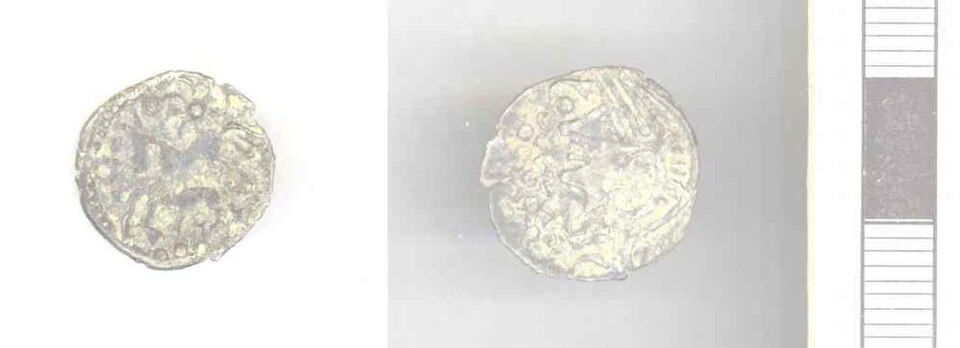
In a follow-up on 17 September, the museum said that some of the coins can already be dated to between AD 1000 and 1050, and that they come from many lands: Sweden, what are now Britain and Germany, and, furthest of all, Islamic dirhams from what are now Turkey and Iran. Esko Tikkala, who has worked as an archaeologist for nearly 30 years, called it one of the biggest finds of his career and said it shows how important Sysmä was as a meeting point for trade. The museum also made a point worth repeating: calling the hoard Viking Age describes when it was buried. It does not mean the silver belonged to Vikings, or that Finland was Viking territory.
The coins now need cleaning and conservation, after which the museum will work out how many there are, where they came from and when the hoard was buried.
Reported by Space Daily, from Lahti Museums (7 September 2026), with details from the museum's follow-up of 17 September. Written for Global Finds from those reports. Photo: the Sysmä hoard as it was recovered, Esko Tikkala / Lahden museot.
Related guide: Choosing your first metal detector
Source: Arkeonews
Also reported by