The Vermont Yankee Hoard: a couple who looked penniless left gold, silver ingots and a schoolhouse floor full of dollars
Famous find Coins from 1878, hidden before 1993 · Found in 1996 See it on the timeline →
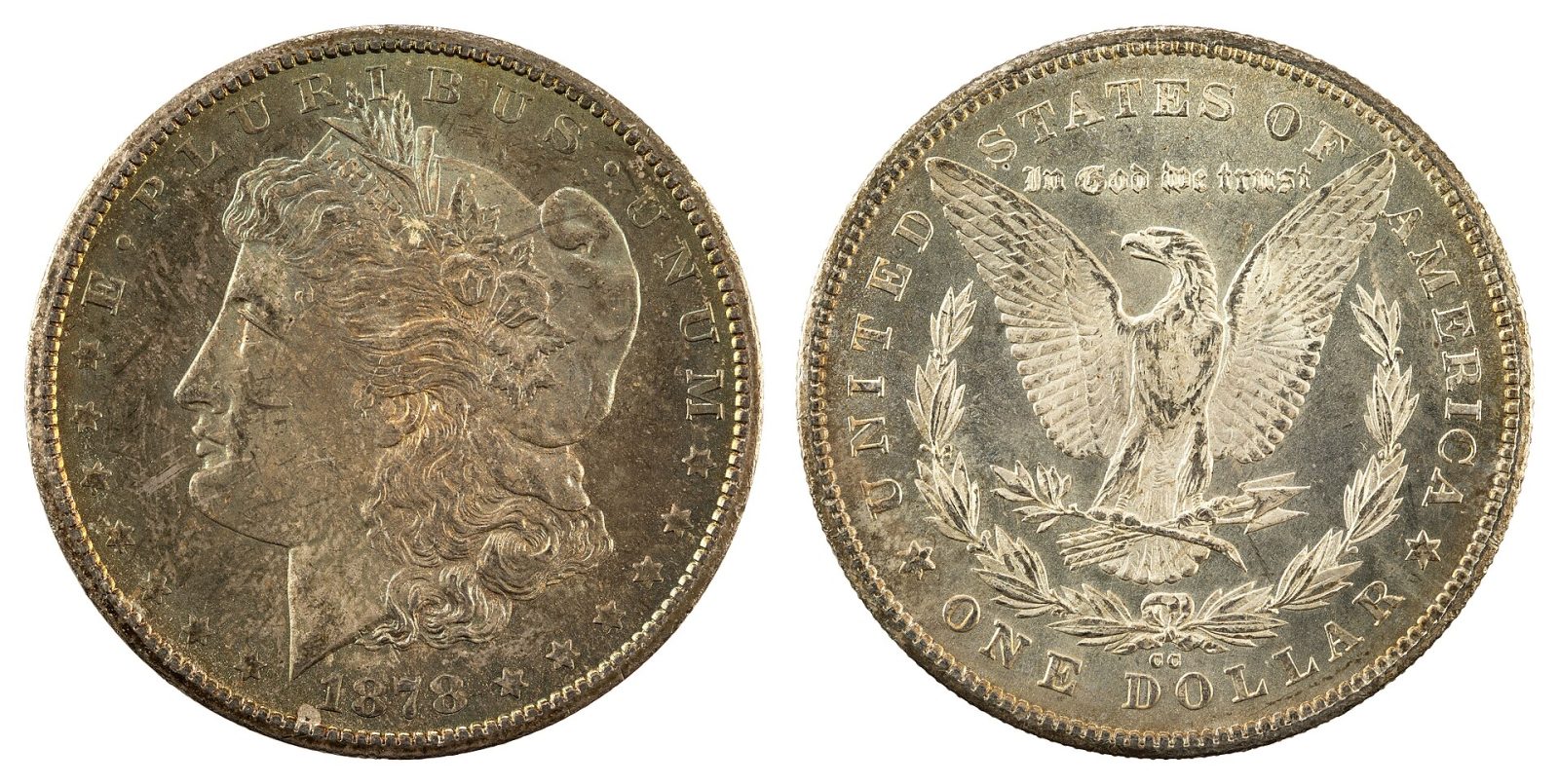
When Alexander and Imogene Miller of East Orange, Vermont, died in the 1990s, searchers on their run-down farm found about $1 million in gold, silver ingots and bags of Morgan dollars under a schoolhouse floor. A coin dealer named it the Vermont Yankee Hoard.
To look at, Alexander and Imogene Miller had nothing. They moved to a farm at East Orange, Vermont, in about the 1940s. The roof was patched with recycled tin, they cooked on a wood stove, and Imogene is said to have made raincoats from plastic bags. Alexander died in October 1993, aged 87, after a fall from a ladder, and Imogene died in 1996. No heirs were found. In early 1996 people searching the property began to find out what the Millers had really owned.
Coin World later reported nearly $900,000 in gold bullion and more than $100,000 in gold coins, along with silver, much of it in 70-pound ingots like loaves of bread. Some accounts say that the gold was hidden in a woodpile. There were stock certificates too, and coins were kept in cigar boxes, match boxes and pill tins. The farm also held about 30 to 35 Stutz cars, Alexander's real passion.
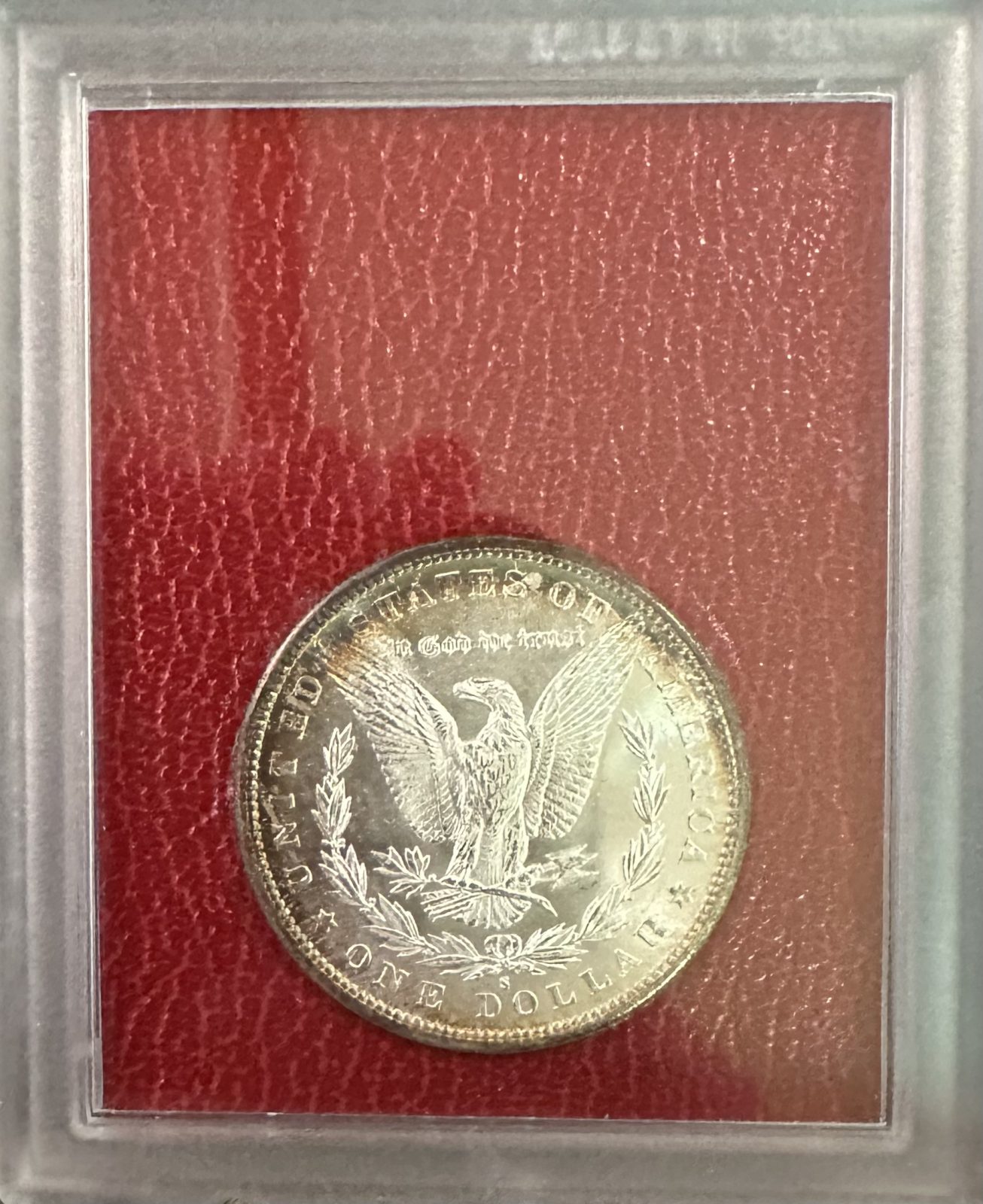
Littleton Coin Company of New Hampshire bought about $74,000 worth of the coins and notes, and its head, David Sundman, gave the find its name. Littleton's share included mostly uncirculated 1878 San Francisco Morgan dollars, which had lain in bags under the floor of an abandoned schoolhouse on the property. It also had 17 $1,000 notes and five $500 notes. To coin specialists, one of the most interesting parts was also one of the smallest: 48 tokens of a Miss M. J. Drury of Williamstown, Vermont, from about 1900, each "GOOD FOR ONE 5 CENT CIGAR". Nobody had recorded them before, and Littleton called them the first American tokens to use the word "Miss".
Christie's held an auction on the farm in September 1996. The cars alone brought about $1.8 million to $2.18 million, depending on the report. Littleton put the whole estate at $3.7 million, a figure later given as about $3 million, so the often-repeated total includes the cars and stocks as well as the gold and silver. As the find was estate property, no argument over finders' rights arose, and back taxes went to the US government. The hoard is now scattered, as Littleton sold its share to collectors.
Written for Global Finds from Coin World, Littleton Coin Company, Barn Finds and Vermont Auto Enthusiasts. Photo: an 1878 Morgan dollar struck at Carson City, the same first-year design as the hoard's San Francisco dollars (not from this find), US Mint, National Numismatic Collection, Jaclyn Nash, Wikimedia Commons, public domain.
Related guide: Choosing your first metal detector
Source: Coin World