The Årstad hoard: stone clearing at Egersund in 1836 turned up the Viking silver that held Norway's record for 190 years
Famous find Buried after about 1029 · Found in 1836 See it on the timeline →
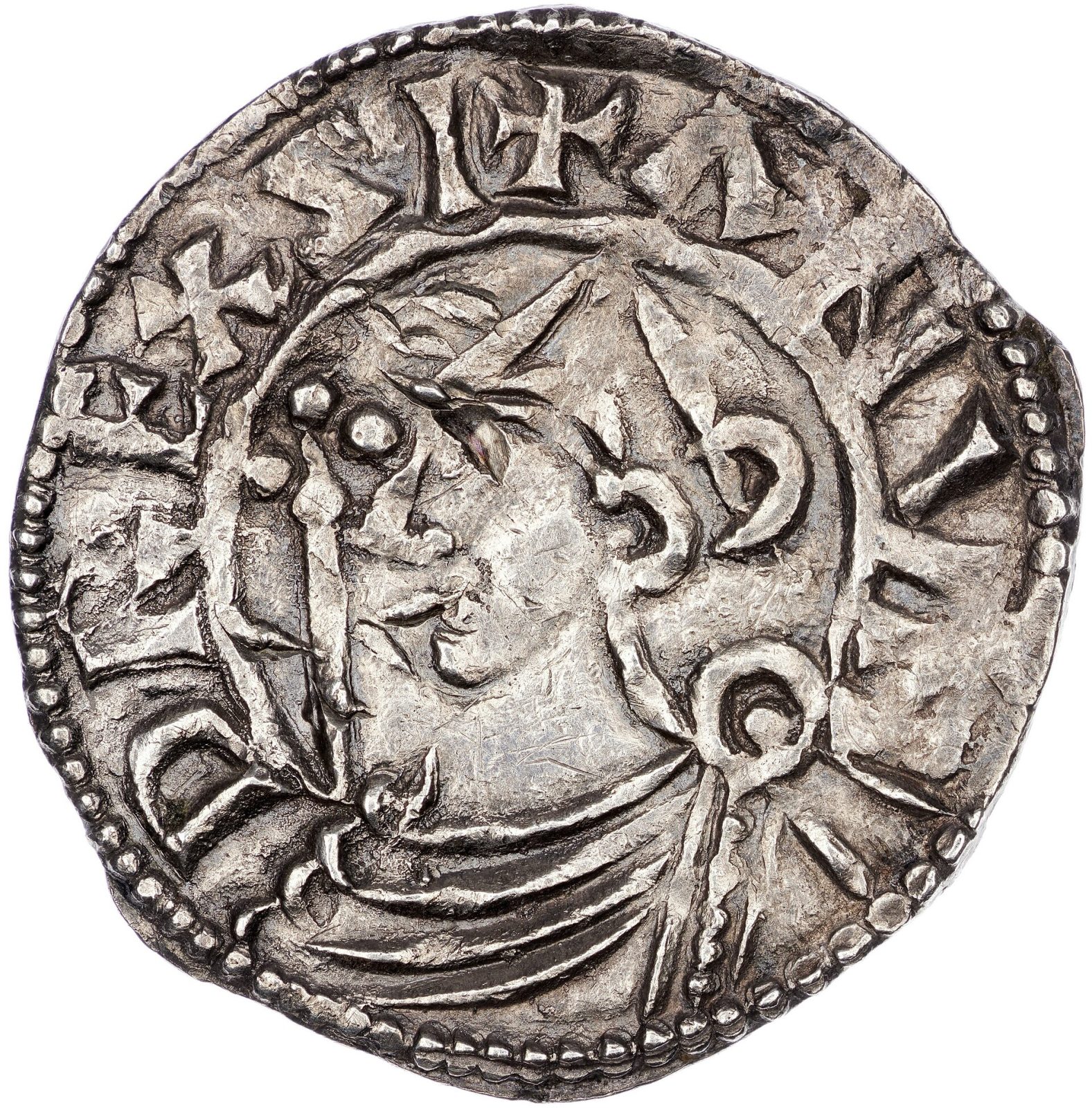
In 1836 Ole Sivertsen Aaberg was clearing stones at Egersund, in south-west Norway, when he found about 1,500 Viking Age silver coins. More came up until 1843, taking the total to 1,849. It remained Norway's largest coin hoard until the Mørstad find of 2026.
In 1836 Ole Sivertsen Aaberg was clearing stones at Egersund, a small port on the south-west coast of Norway, when he came upon a mass of old silver. Accounts call him a farmer or a mill owner, and they place the spot on the Årstad farm or behind Aaberg's mill, beside the Lundeåne stream. About 1,500 coins and a quantity of silver objects came up that year. The ground went on giving up more for the next seven years, until 1843, and a letter of October 1842 to the numismatist C. A. Holmboe discusses one of these later finds.
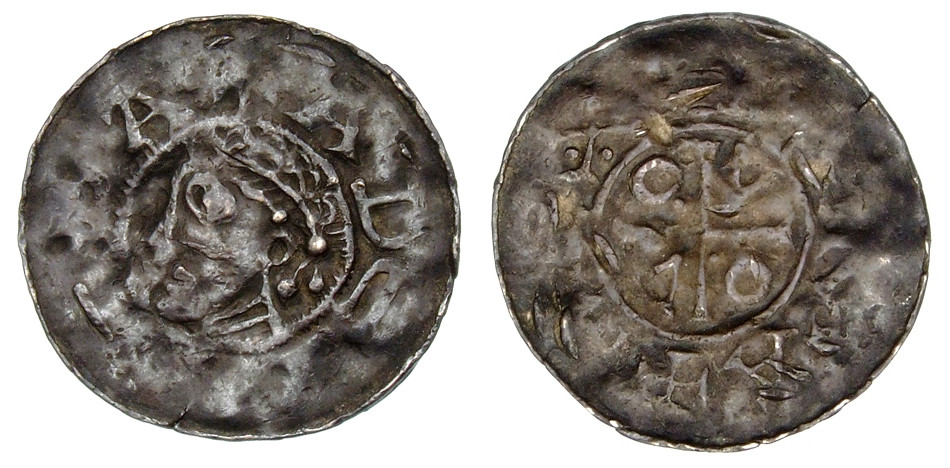
The final count was about 1,849 coins. The Norwegian scholar Kolbjørn Skaare listed 1,014 Anglo-Saxon pennies (another study gives 1,004), about 690 German coins and 76 Danish ones. There were also smaller groups: eight Hiberno-Norse coins, eight of Anund Jacob of Sweden, six Islamic coins and single coins from Italy, Bohemia and Poland. At least 38 were imitations of English pennies. No Norwegian coins are listed. With them lay jewellery, rings and hacksilver, along with 40 to 50 silver blanks, discs of coin metal that had never been struck. One tourist guide gives the total weight of silver as 2.3 kg.
The latest coin is an English penny of about 1029 to 1035, so the hoard was buried after about 1029. Those were the years when Cnut, king of England and Denmark, took Norway from Olaf Haraldsson. A local theory links the silver to Cnut himself, who is said to have been at Egersund in 1028 to meet the chieftain Erling Skjalgsson, but that remains a theory. For historians the value of the hoard lies in its mix, which shows how much English silver was reaching Norway.
The hoard went to the university coin cabinet in Christiania, now Oslo, under Holmboe as director, and it is now in the care of the Museum of Cultural History, with a part perhaps in Bergen. For about 190 years it was the largest Viking Age coin hoard known in Norway. In April 2026 two detectorists found the Mørstad hoard, which has now passed 5,500 coins, and Årstad became the second largest.
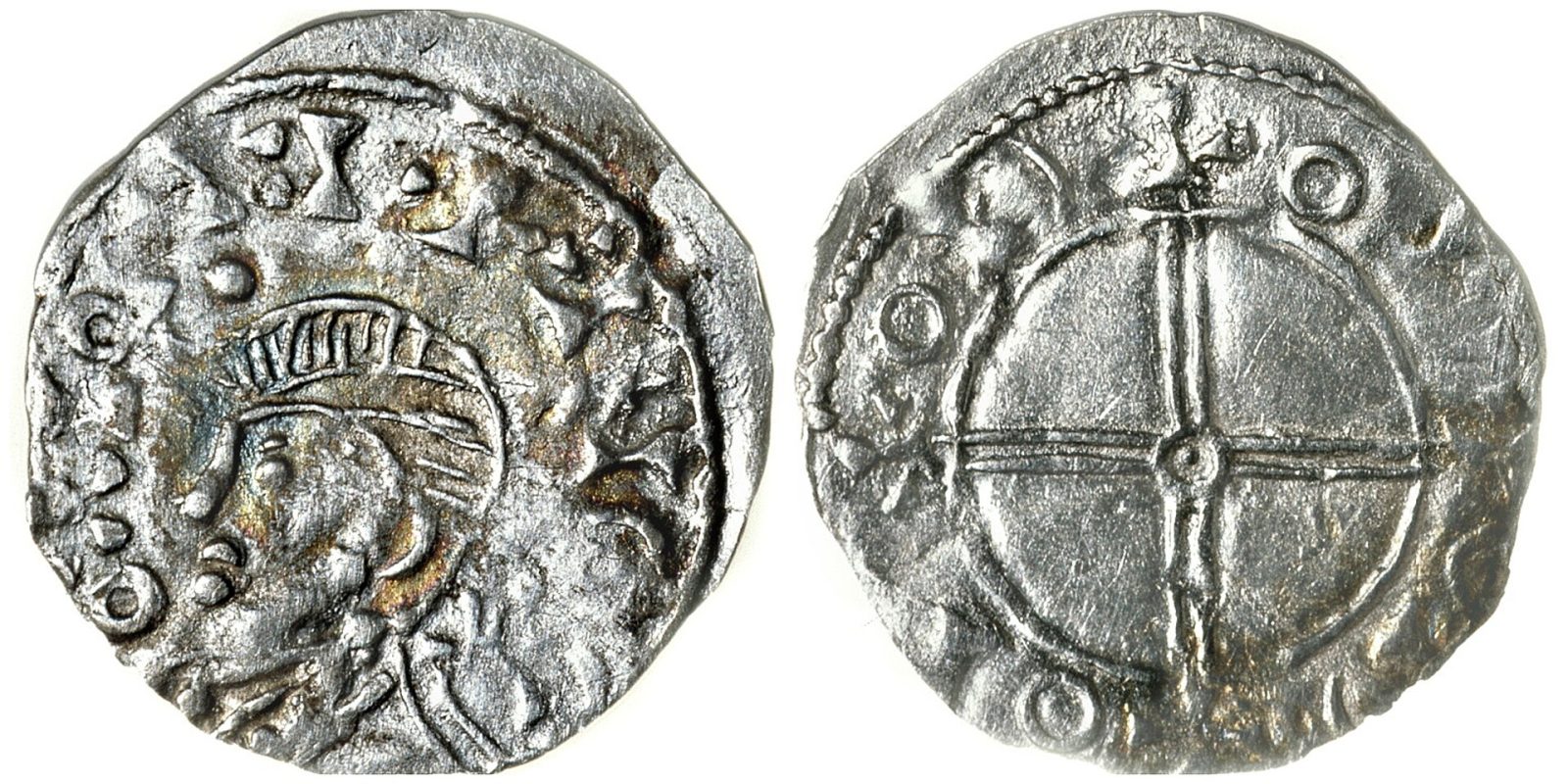
Written for Global Finds from Kolbjørn Skaare in Hikuin, Gullbekk and Andrews in From Hoard to Archive, Science Norway, Magma Geopark and Fjord Norway. Photo: a silver coin of Anund Jacob of Sweden, struck at Sigtuna about 1020 to 1030, of the same king as eight coins in the hoard (not from this find), Ola Myrin, Wikimedia Commons, CC BY-SA 4.0.
Related guide: Choosing your first metal detector
Linked finds
Source: Science Norway