The Mørstad hoard: two detectorists found Norway's largest Viking Age coin hoard, now past 5,500 coins
Buried around 1046 or 1047 · Found in 2026 See it on the timeline →
Two detectorists in Østerdalen found Norway's largest Viking Age coin hoard in April 2026. The count has passed 5,500 coins, and one of them is a rare penny of King Olaf Haraldsson, Norway's patron saint.
On 10 April 2026, metal detectorists Rune Sætre and Vegard Sørlie were searching a field on Mørstad farm at Rena, in Østerdalen in eastern Norway, when they found silver coins. It turned out to be the largest Viking Age coin hoard ever discovered in Norway.
The county archaeologist, May-Tove Smiseth of Innlandet County, said she would have been pleased with a few hundred coins. By the time excavation stopped for the summer, the count stood at 4,886, along with pieces of hacksilver. Neither digging nor ground-penetrating radar showed anything more, so the landowner, Ole Erik Hørstad, sowed his grain.
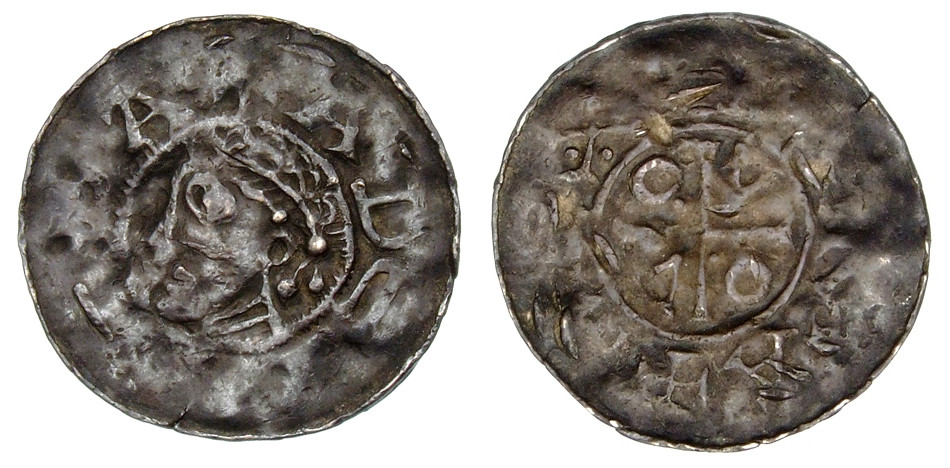
Once the harvest was in, the search began again with the county council's permission. At the end of September, Mr Hørstad and the two detectorists dug up coin number 5,000, an Otto-Adelheid penny, a German type that is common in the hoard. The count has since reached about 5,500, and the museum expects the final total to pass 6,000.
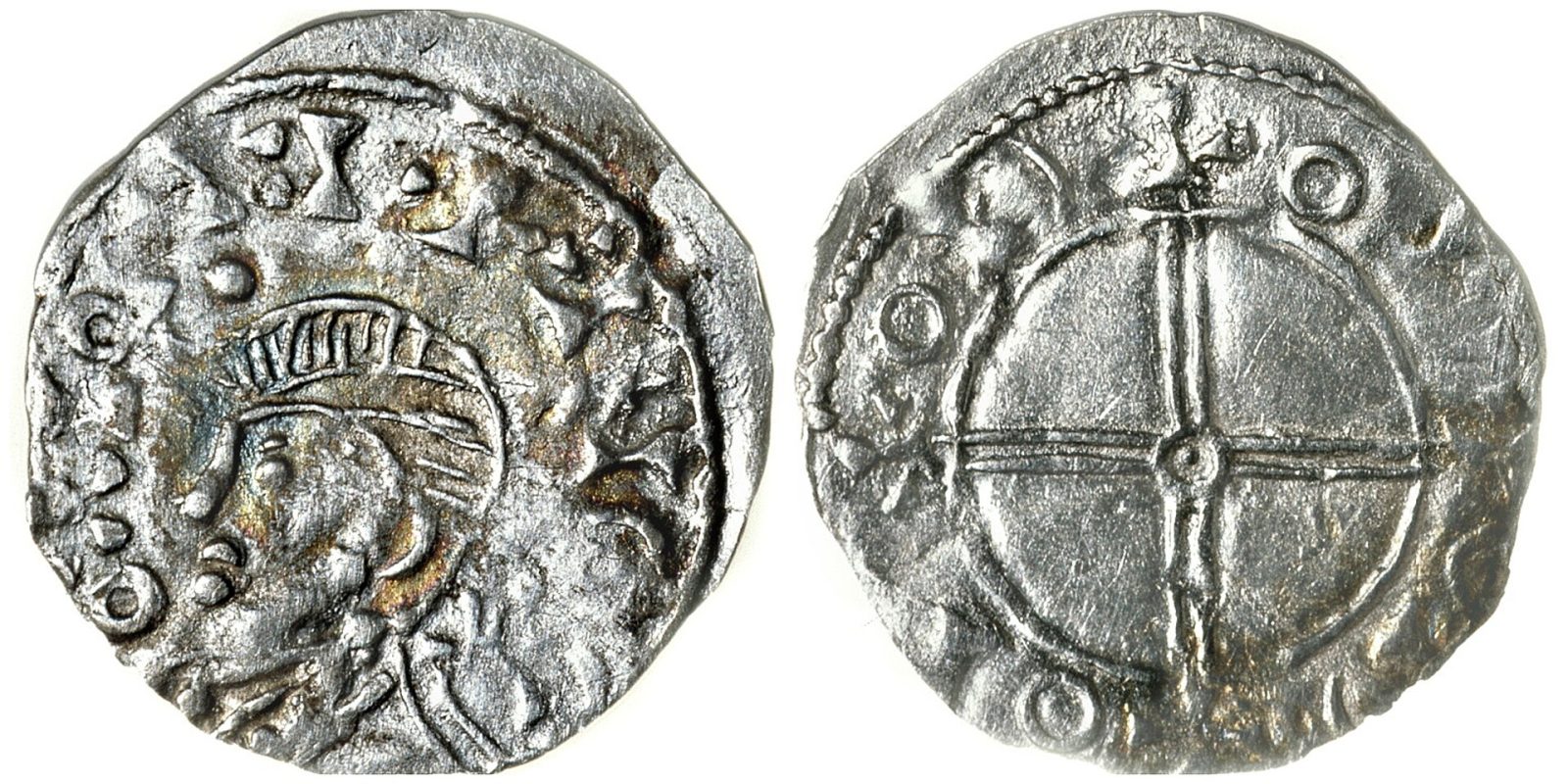
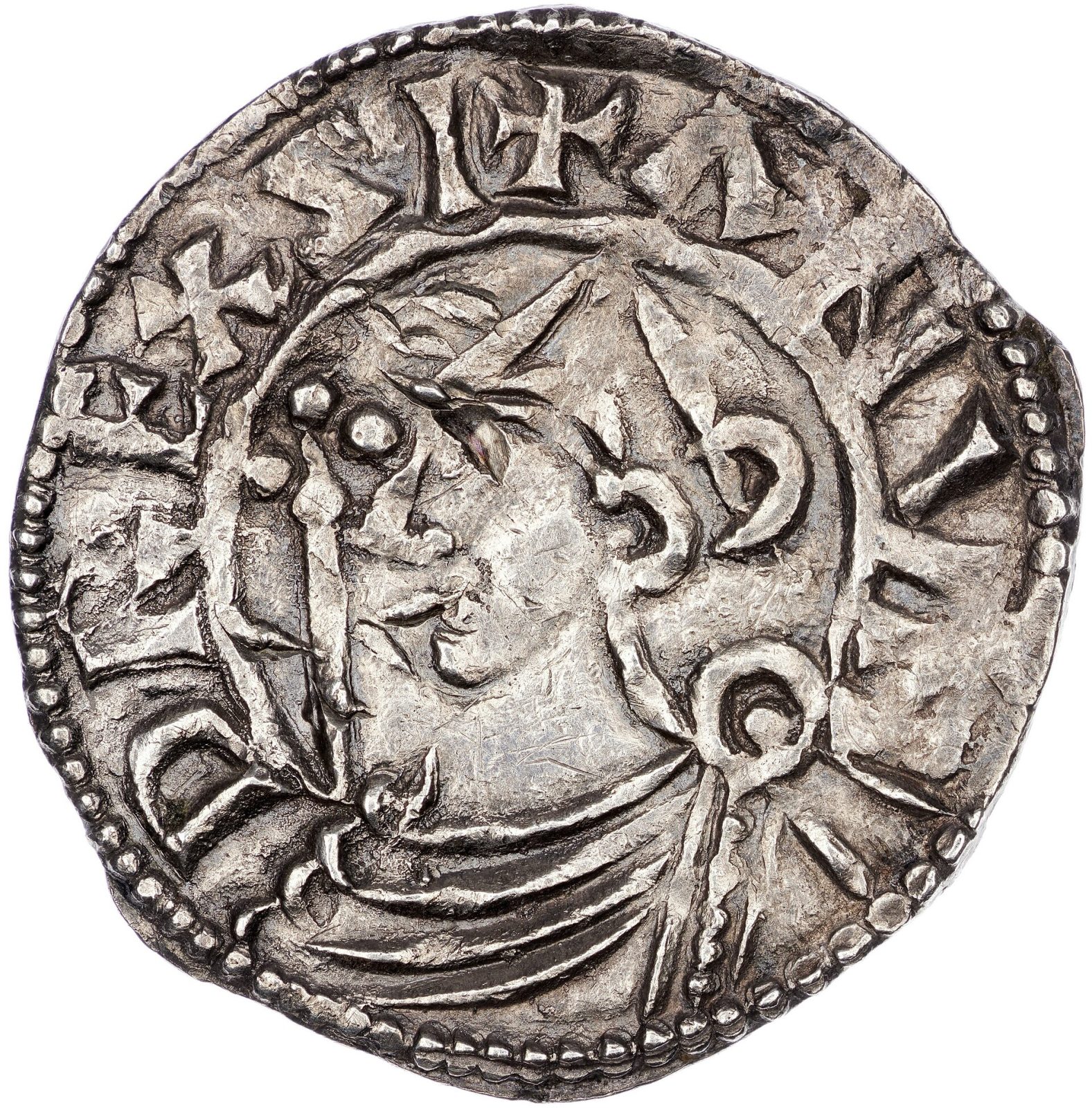
While cataloguing the coins, the archaeologist Anne Skogsfjord picked out one that at first looked like an English penny of Æthelred II. Its legend read ONLAF R+ NORMANORV, "Olaf, King of the Norwegians". It was struck for Olaf Haraldsson, the king later known as St Olaf, between about 1024 and 1028, and shows him in a pointed helmet. Fewer than twenty of his coins survive, most found outside Norway, and only four of this type were known before. Small knife cuts on both faces, made to test the silver, show it changed hands many times over some 20 to 25 years before it was buried.
Most of the coins were struck in Germany and in late Anglo-Saxon England. Four rare coins of the Norwegian king Harald Hardrada date the burial to around 1046 or 1047, at the very end of the Viking Age. On some of the English coins, the moneyer's name sounds Norse: Beorn, Aslac, Cetil.
Nobody knows why the silver was buried there, but the archaeologists believe something dramatic stopped its owner from coming back for it. Part of the hoard, including the Olaf coin, goes on show at the Historical Museum in Oslo in an exhibition opening on 20 November 2026.
Update (October 2026): the University of Oslo’s Museum of Cultural History calls the Olaf penny a “national treasure”: fewer than 20 coins from Olaf’s reign have ever been found. “Here we have a coin bearing the king’s portrait and a cross, with another cross on the reverse,” said the coin expert Svein Gullbekk. “It is a Christianisation coin on a grand scale… This is branding.”
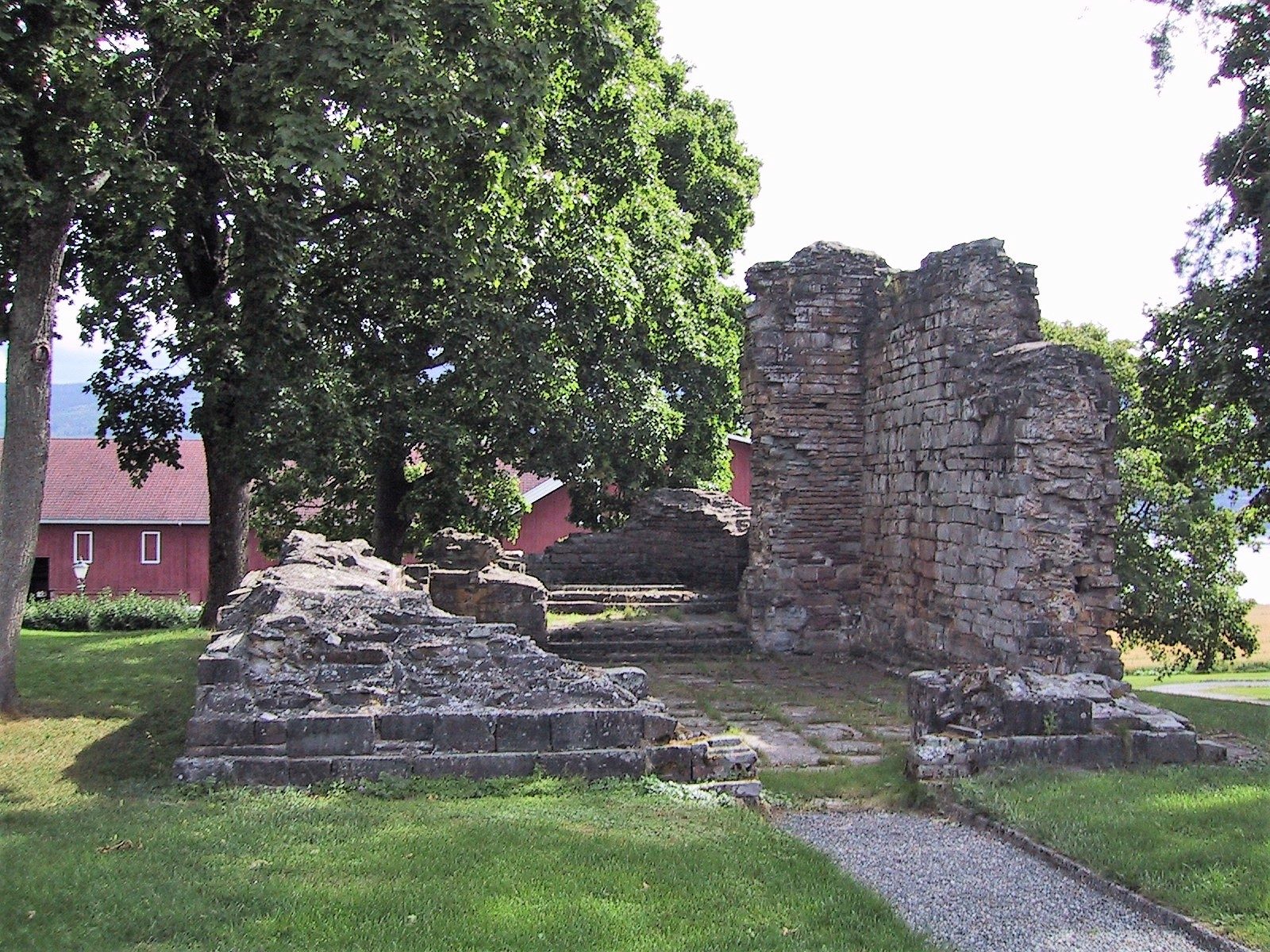
The only other coin of this type found in Norway turned up in church ruins in 1924. “We can almost imagine Olaf himself holding this coin in his hand,” said Svein Gullbekk.
Update (November 2026): the count now stands at 5,536 coins, about six kilograms of silver. In early November Norway's archaeologists voted the hoard their discovery of the year, ahead of the "Porcelain Wreck", an 18th-century ship whose china was raised from 600 metres down. The two detectorists had found 19 coins before they stopped and called the county, and Vegard Sørlie told Science Norway that the year before, they had been out with their detectors only twice.
First reported by The Past (September 2026); updates from Science Norway (1 and 9 October and 10 November 2026), Live Science (October 2026), Smithsonian Magazine (October 2026), ZME Science (October 2026) and Archaeology News (October 2026). Written for Global Finds from those reports. Photo: an Otto-Adelheid penny, the same type as coin number 5,000 (not from this hoard), Münzkabinett der Staatlichen Museen zu Berlin, Reinhard Saczewski, Wikimedia Commons, public domain.
Related guide: Choosing your first metal detector
Linked finds
Source: The Past website