The Suontaka Sword: a bronze-hilted blade found by pipe-layers, from a grave that keeps rewriting its story
Famous find Grave dated about AD 1040 to 1174 · Found in 1968 See it on the timeline →
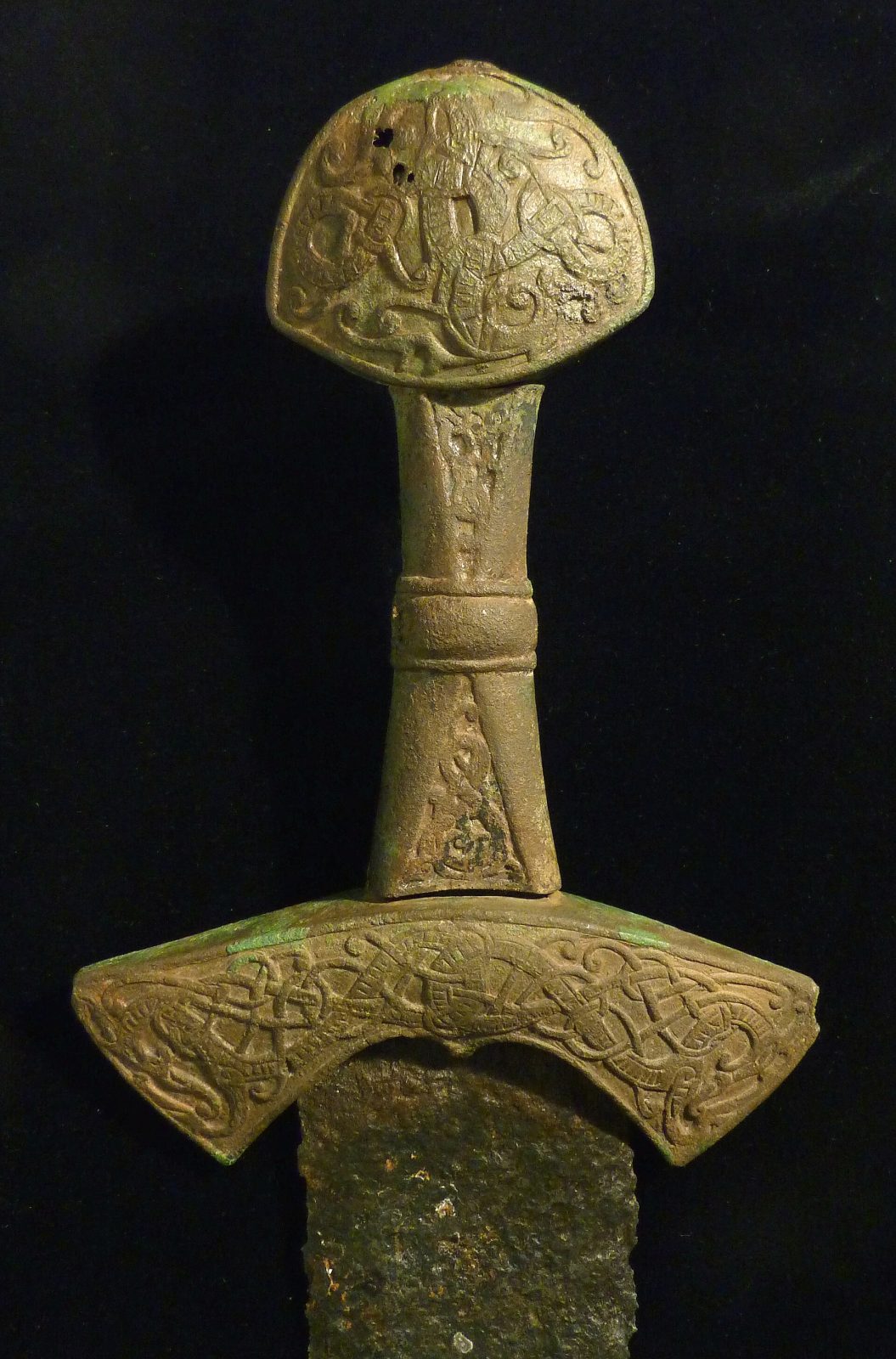
In October 1968 workers laying a water pipe at Suontaka in Hattula, southern Finland, uncovered a sword with a hilt cast in bronze. The grave it came from has been reinterpreted several times, most recently by a 2021 study of the person buried there.
In October 1968, workers digging a trench for a water pipe on Vesitorninmäki, Water Tower Hill, at Suontaka in Hattula, southern Finland, came across a sword with a bronze hilt. The archaeologist Oiva Keskitalo was called in, spotted the dark outline of a grave in the side of the trench, and excavated it in late October, in ground that had frozen to minus ten degrees.
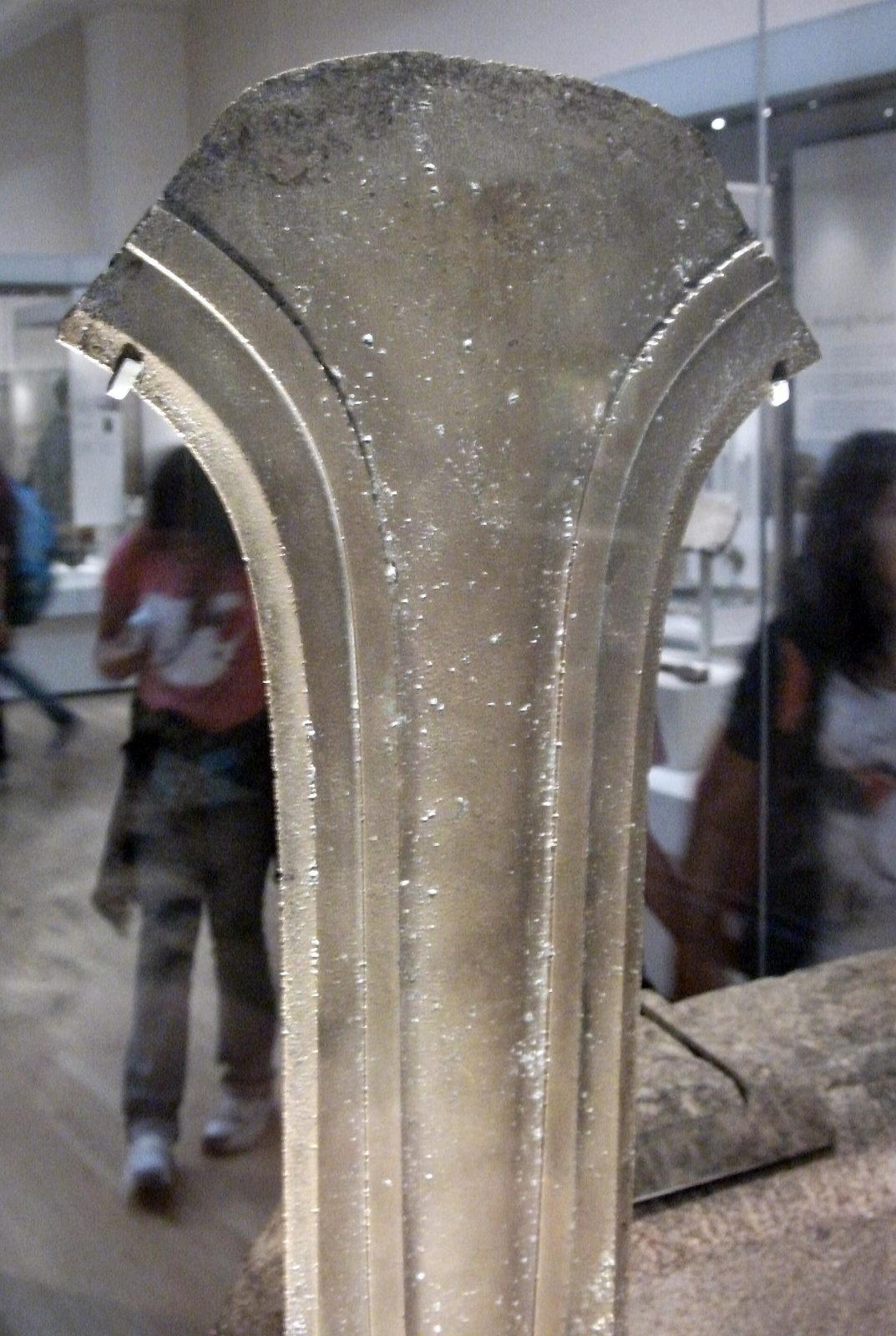
The grave held two swords. The famous one has a grip and hilt cast entirely in bronze and decorated in the Urnes style, the last style of Viking-age art, and it is one of very few Finnish swords like it. The second was a blade without a hilt, inlaid with silver. With them were a knife in its sheath, two oval brooches, a chain-holder with twin spirals, a small penannular brooch and a sickle. The body had almost completely decayed, but it had been dressed in a woman's costume, and soil samples showed traces of wool, some of it dyed blue or green, together with fur and feathers, perhaps from bedding.
For decades the grave was presented as that of a woman warrior or a female leader, including in the National Museum of Finland's permanent exhibition from 1995 to 2016. In 2021 a team of researchers led from the University of Turku published a new study. They argued that only the hiltless sword was buried with the body: the bronze-hilted sword lay higher in the grave fill and may have been added some time later. A radiocarbon date from a thigh bone placed the burial between about AD 1040 and 1174. DNA from the bone, a very small sample as the researchers stressed, suggested that the person had an XXY chromosome pattern, known as Klinefelter syndrome. The authors suggested that the person was respected in their community and may have been non-binary, an interpretation that has been widely discussed.
The finds belong to the National Museum of Finland in Helsinki, which closed for renovation in October 2023 and is due to reopen in spring 2027.
Written for Global Finds from U. Moilanen and colleagues in the European Journal of Archaeology (2021), the University of Turku (2021) and the National Museum of Finland. Photo: the bronze hilt of the Suontaka sword, Museiverket (Finnish Heritage Agency), Wikimedia Commons, CC BY 4.0.
Approximate location61.11, 24.31View on map