The Stein hoard: repairs to a ruined Norwegian church in 1924 uncovered silver buried before the church was built, with coins of St Olaf
Famous find Buried about 1023 to 1030 · Found in 1924 See it on the timeline →
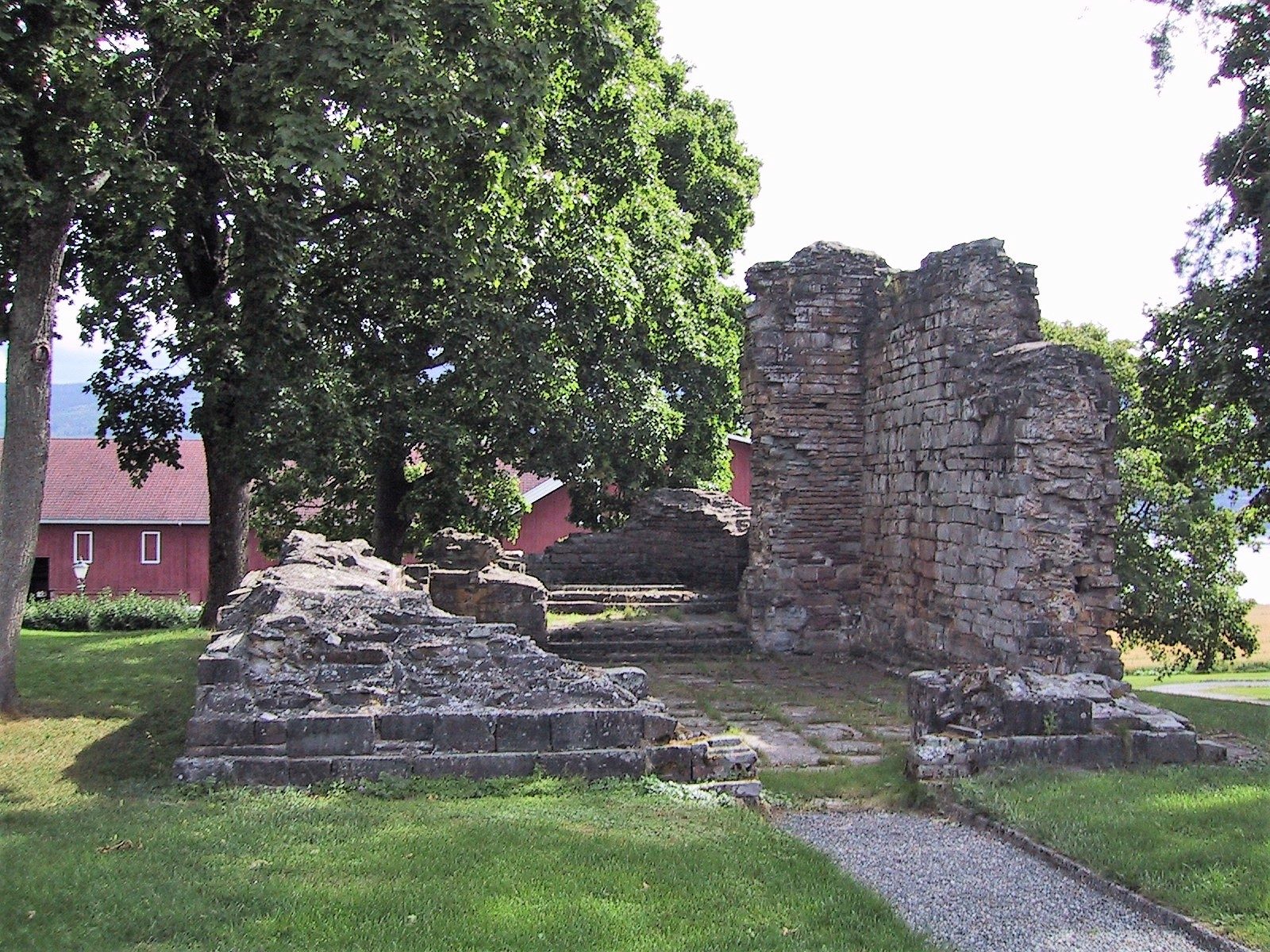
In May 1924, during repairs to the ruined church at Stein in Ringerike, Norway, a hoard of about 55 silver coins came to light under the floor. Buried about 1023 to 1030, it held three pennies of King Olaf Haraldsson, some of the rarest coins in Norway.
Between 1922 and 1924 the architect Gerhard Fischer led repairs to the ruin of Stein church, on Stein farm above the Steinsfjorden at Hole in Ringerike, Norway. The stone church had burned in about 1680 to 1683, reportedly after a lightning strike. In May 1924 silver coins came to light under its floor, which had been laid directly on the topsoil. Norges Kirker, the national record of churches, places them in the topsoil below the flagstones of the nave. Another account says that they lay under a flagstone in the middle of the chancel. No individual finder is named in any account.
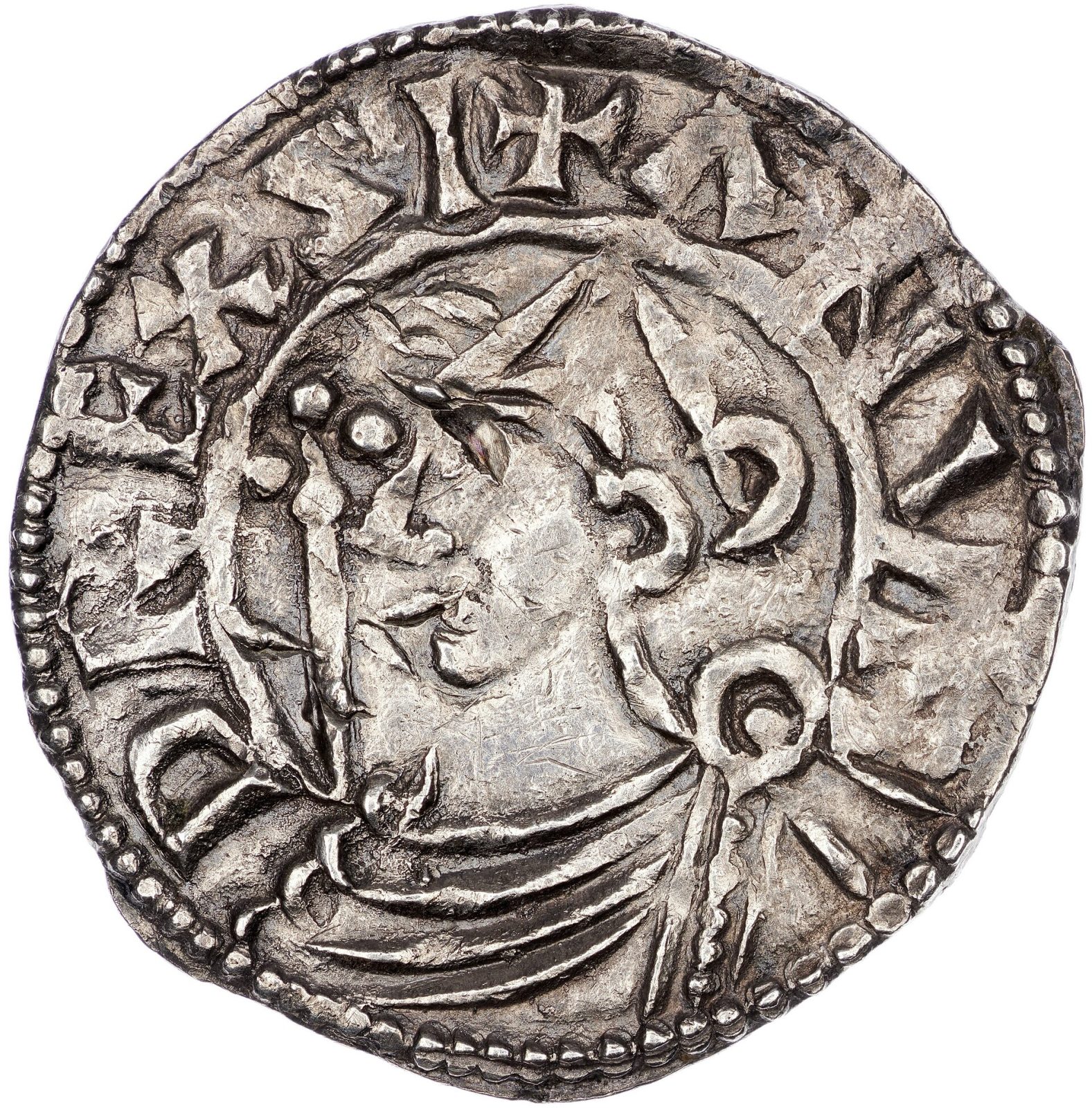
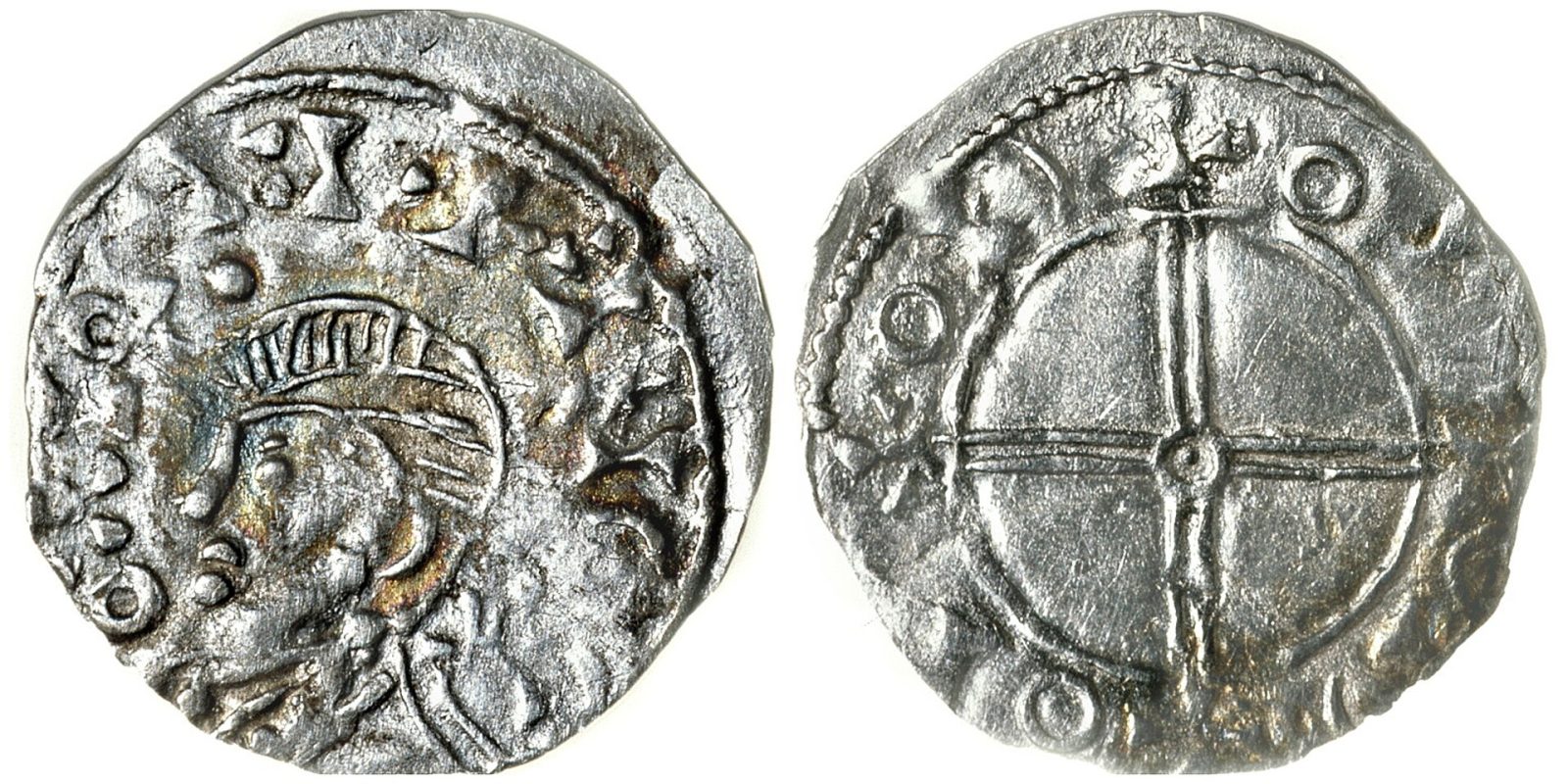
Even the count is disputed. The usual figure is 55 silver coins, others give 63 or about sixty, and a later account of the first report in 1926 mentions 46 whole coins and 26 fragments. They included Anglo-Saxon pennies and about 24 German coins. The real prize was three Norwegian pennies attributed to King Olaf Haraldsson, later St Olaf. One local study describes two designs: a bird with spread wings and a bust in a pointed helmet. The Pointed Helmet type shows the king facing left, with the legend ONLAF R+ NORMANORV, "Olaf, King of the Norwegians", and it was modelled on the pennies of Cnut. Fewer than 20 of Olaf's coins are known to survive.
The scholar Kolbjørn Skaare dated the burial to after 1023 and not much later than 1030, the year that Olaf died. The church itself dates only from the 12th century, so these coins were not lost by worshippers there. Why they were buried is unknown. Stein is linked in tradition with Sigurd Syr and Åsta, the parents of Harald Hardrada, and Åsta was Olaf's mother too. Local writers have wondered about a royal connection or an earlier church on the spot, but that is speculation.
The coins are held by the Museum of Cultural History in Oslo, and selected pieces travelled to the great Viking exhibition in Paris, Berlin and Copenhagen in 1992 and 1993. For 102 years Stein was the only Norwegian find of a Pointed Helmet penny. Then, in 2026, an archaeologist cataloguing the Mørstad hoard spotted a second one.
Written for Global Finds from Norges Kirker, the Museum of Cultural History (Oslo), and Nilssen (1996) and Næss (2024) in Heftet Ringerike. Photo: the ruin of Stein church, with the flagstone floor relaid in the 1920s (the site today, not the coins), Dag Bertelsen, Wikimedia Commons, CC BY-SA 3.0.
Related guide: Choosing your first metal detector
Linked finds
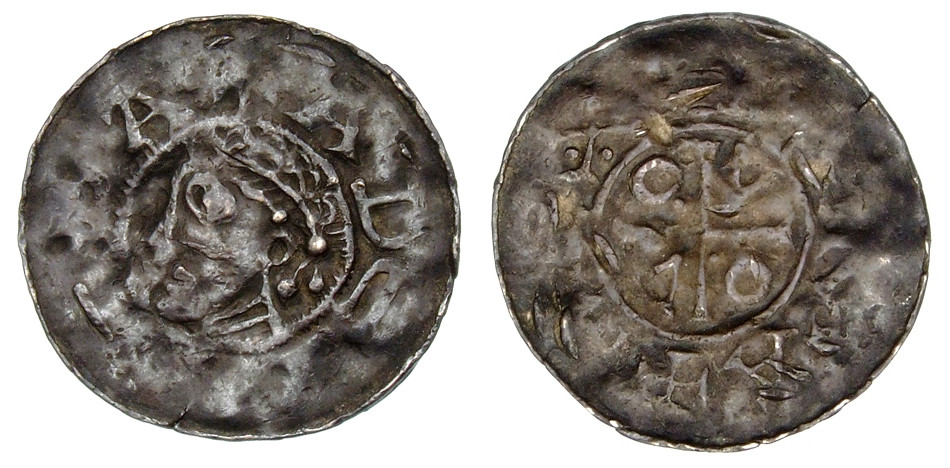
Source: Norges Kirker