The Utstein Penny: a detectorist kept it in a box of old buttons, until friends saw it was a coin of Norway's last Viking king
Famous find Struck about 1093 to 1103 · Found in 2025 See it on the timeline →
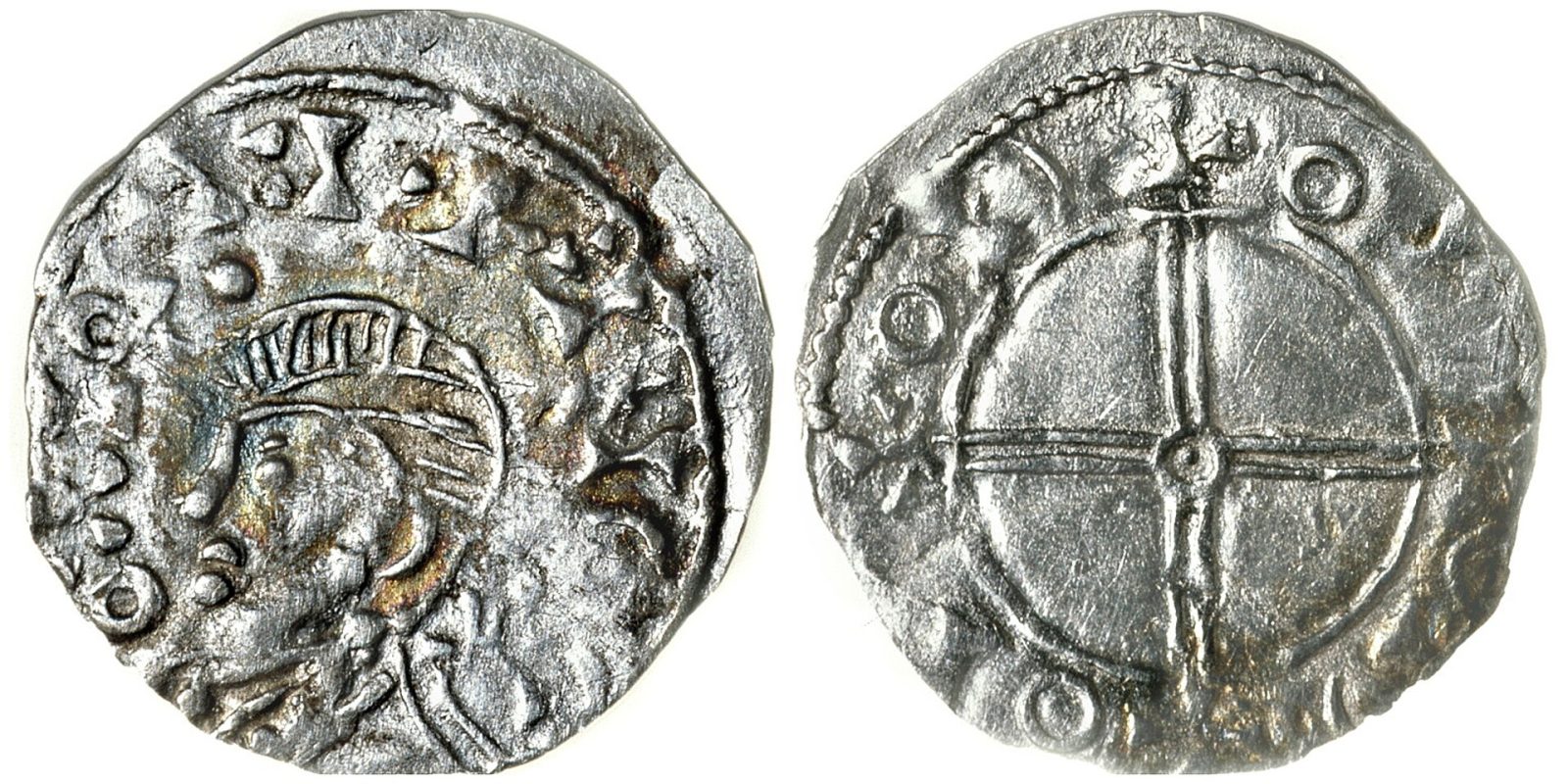
In April 2025 detectorist Morten Eek found what he took for a dirty button in a field near Utstein Abbey in Norway. Months later, fellow detectorists recognised it as a silver penny of Magnus Barefoot, king from 1093 to 1103, of a type known from only four other coins.
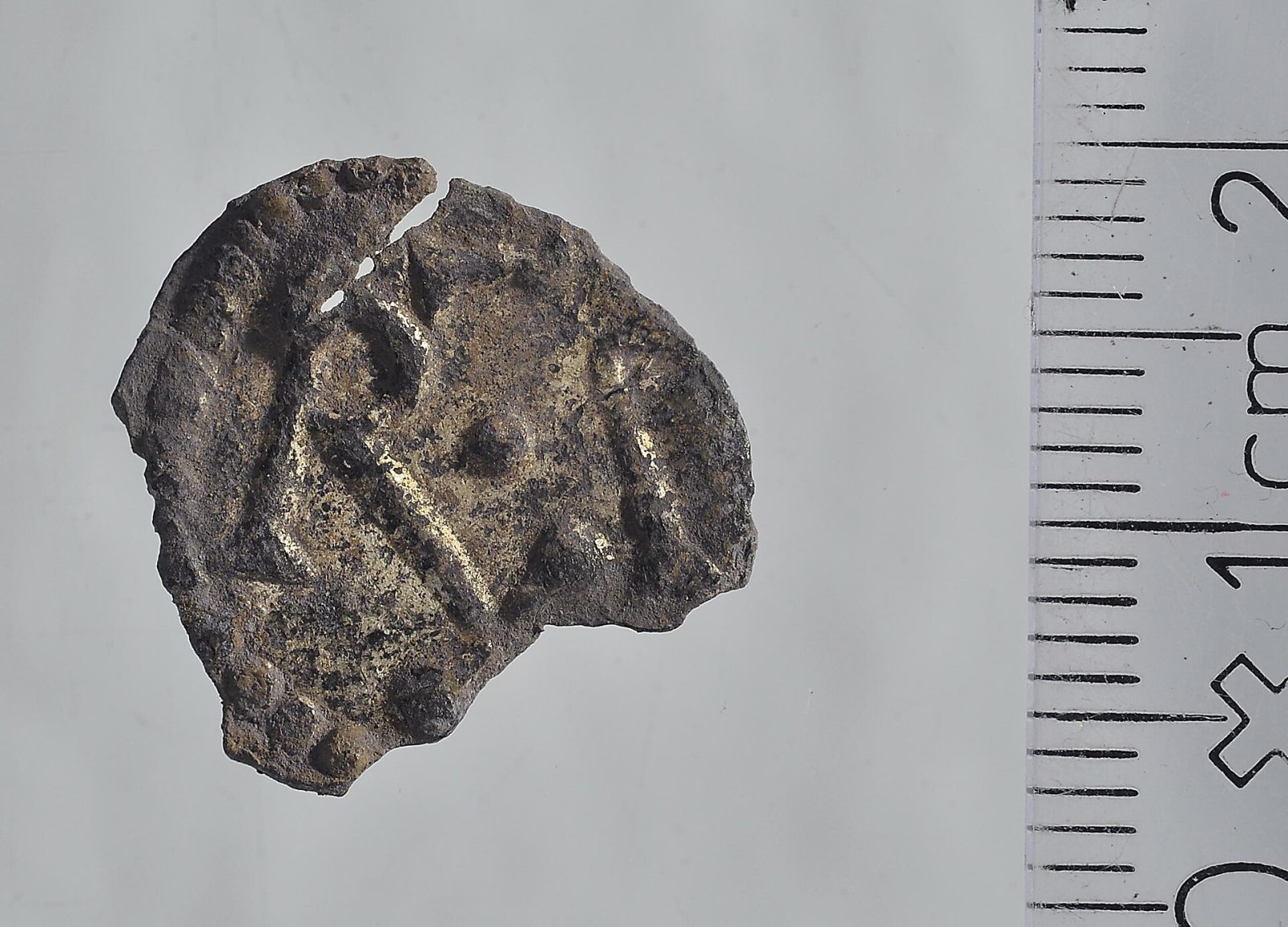
In April 2025, the metal detectorist Morten Eek was searching a field near Utstein Abbey, on the island of Mosterøy north of Stavanger in south-west Norway. From the plough soil, 10 to 15 centimetres down, he dug up a small round object. One side looked silvery, but the other was covered in copper with a dark centre, and he took it for a button. He put it in a box at home with his other buttons, worn modern coins and scrap.
Months later, other detectorists looking through his finds noticed that the silver side looked medieval. They matched it with a drawing in a book on Norway's medieval coins published in 1865, and contacted the Museum of Archaeology at the University of Stavanger.
The coin is a silver penny of Magnus III, known as Magnus Barefoot, King of Norway from 1093 to 1103 and often called the last Viking king. He spent much of his reign at war around the Irish Sea, in the Hebrides, Orkney, the Isle of Man and Ireland, where he was killed in battle in 1103. The visible side of the coin shows a cross laid over another cross, with arms ending in small half-circles. The museum did not want to risk damaging the copper, so it X-rayed the coin instead, and found a griffin hidden on the other side.
The copper had been added later. Someone laid a copper plate over one face of the coin and folded the coin's edge around it, and two small notches in the rim suggest it was then hung from a loop or chain and worn as jewellery. About 100 coins of Magnus Barefoot are known, from 12 finds, but according to the museum, coins with this griffin and cross design were known from only four examples, one of them from a hoard found in the Faroe Islands in 1863. The museum said the find may tell us something about how much coinage Magnus actually issued.
Under Norwegian law, coins older than 1650 belong to the state. Where the coin will be displayed has not been announced.
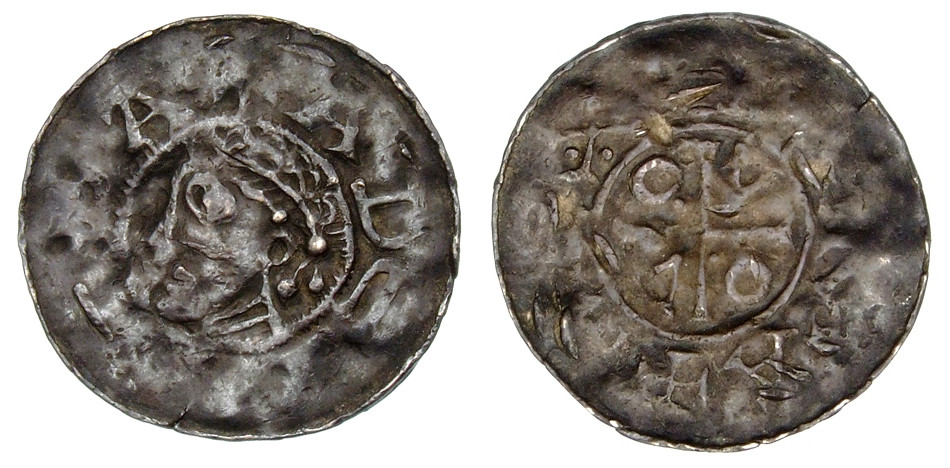
Written for Global Finds from Live Science (2026), Popular Science (2026) and Archaeology magazine (2026), reporting the Museum of Archaeology, University of Stavanger. Photo: a penny of Magnus Barefoot of a different type, not the Utstein coin, Museum of Cultural History, University of Oslo, Wikimedia Commons, CC BY-SA 4.0.
Linked finds
Source: Live Science (2026)