The glint of gold near Highclere: a detectorist's tiny Anglo-Saxon pendant, shaped like a hand, may show the "Hand of God"
9th or 10th century See it on the timeline →
Detectorist Nick Berry found a 1.6 g gold pendant in the shape of a hand on farmland at Ashmansworth, Hampshire. Believed to date from the 9th or 10th century, it has been declared Treasure, and it may represent the Christian symbol known as the Hand of God.
Nick Berry has been metal detecting for more than 30 years, and he says he has never seen anything like the object he found at Ashmansworth in Hampshire. Mr Berry, 58, from Northampton, was searching farmland with two others, close to Highclere Castle, the house best known as the filming location for Downton Abbey. "There were three of us searching, and I was in the middle," he told the news agency BNPS. He got a good signal, dug down and saw "the glint of gold" in the hole.
What came out was a tiny gold pendant in the shape of a hand, weighing just 1.6 g and almost perfect once the mud was brushed away. Photos show several small indentations on its surface. Mr Berry says he could tell at once that it was Anglo-Saxon, and it is believed to date from the 9th or 10th century. He thinks it was worn around the neck as a talisman by someone of high status. Nothing else was found nearby, which suggests that its owner simply dropped it.
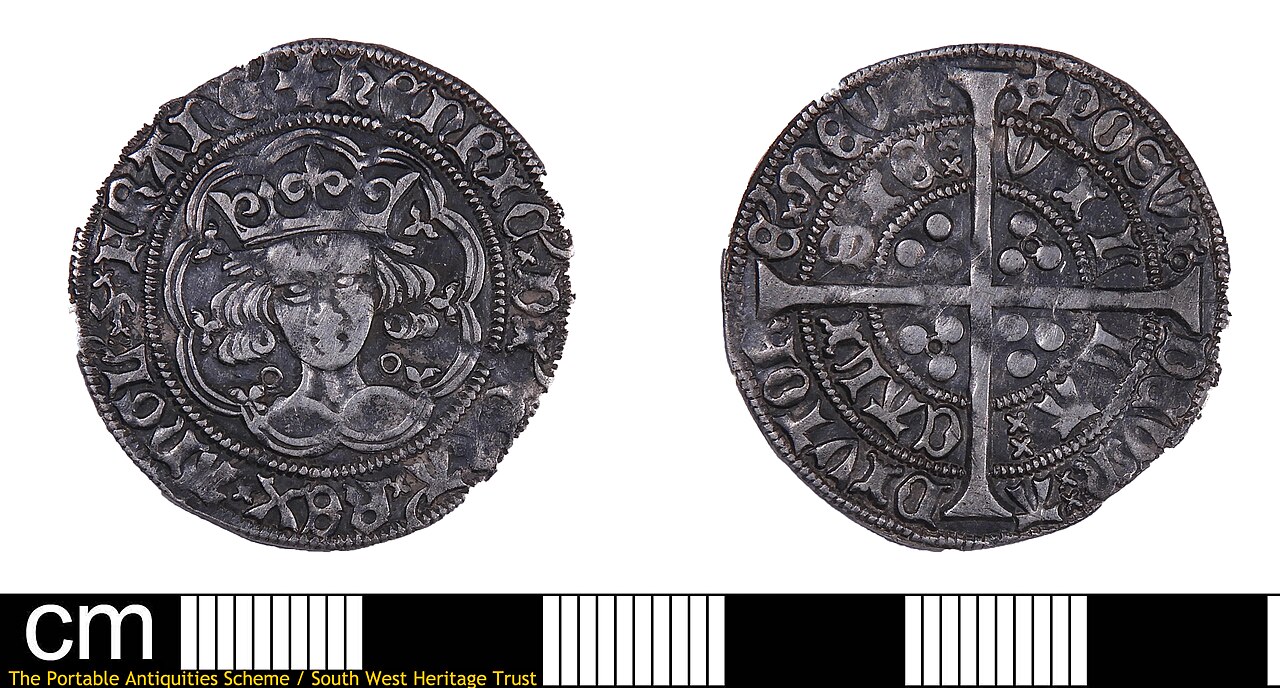
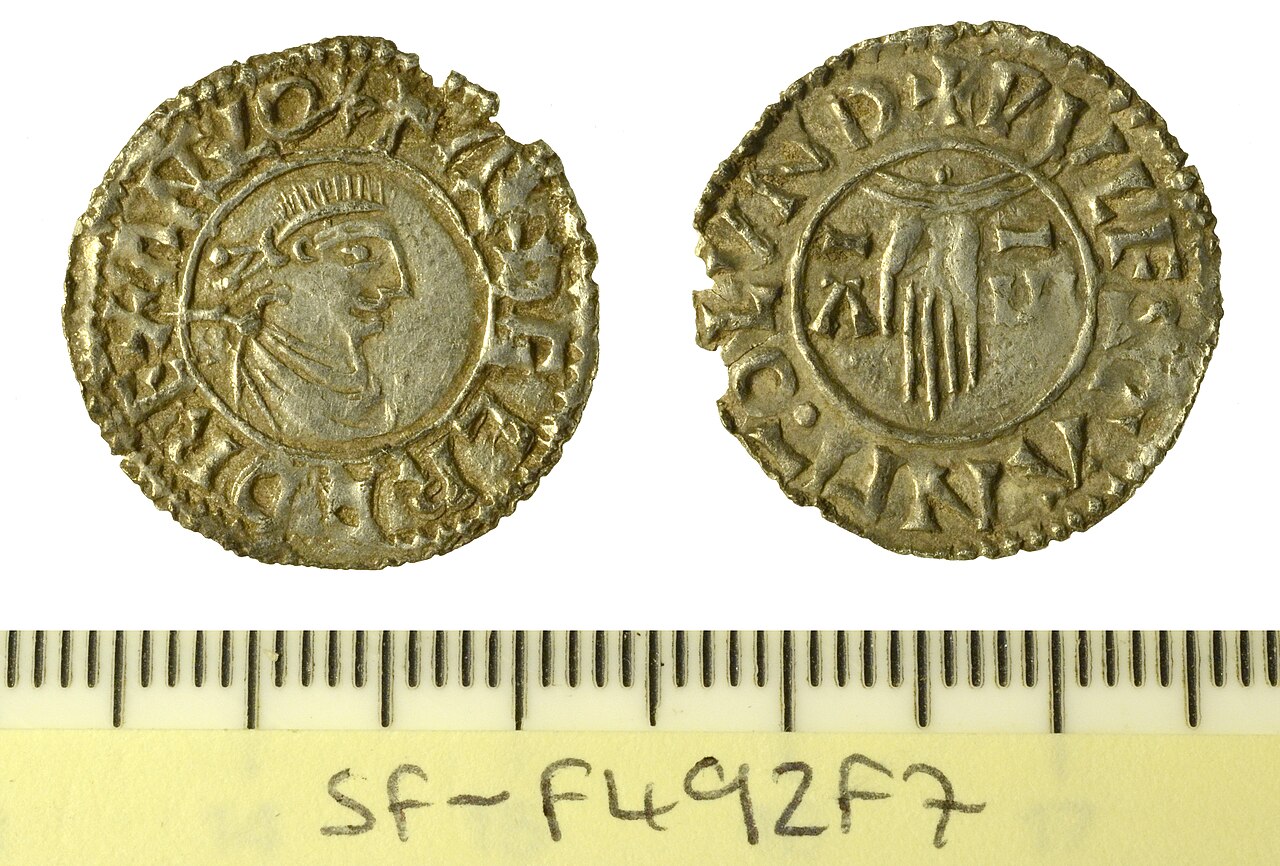
Julian Evan-Hart, editor of Treasure Hunting magazine, thinks that it probably represents the Hand of God, a Christian symbol. He points out that the hand appears on several late Saxon and Viking-period silver coins and in later church art. The silver penny in our photo is one example: a First Hand penny of King Æthelred II, struck about 979 to 985, with a large hand reaching down on one side. For the pendant, though, this is an interpretation rather than a settled fact.
Mr Berry reported the find to a local Finds Liaison Officer, and it went to the British Museum for examination. It has since been declared Treasure. If a museum acquires it, he and the landowner could receive a payment based on its market value. BNPS suggests a five- or six-figure sum, but no official valuation has been reported, and the reports don't name a museum. "I have no idea what it is worth," says Mr Berry, who calls it the find of a lifetime. "I will never find anything like it again."
Reported by the New York Post (3 November 2026), from the news agency BNPS. Written for Global Finds from those reports. Photo: a silver penny of Æthelred II, First Hand type, about AD 979 to 985, with the hand on the right (not from this find), recorded with the Portable Antiquities Scheme, Suffolk County Council, Andrew Brown, Wikimedia Commons, CC BY-SA 4.0.
Related guide: How to read a metal detector's signals
Source: New York Post
Also reported by