Hiro's Nugget: with his detectors failing, a Somerset man found what may be England's largest gold nugget in 20 minutes
Famous find A natural gold nugget · Found in 2023 See it on the timeline →
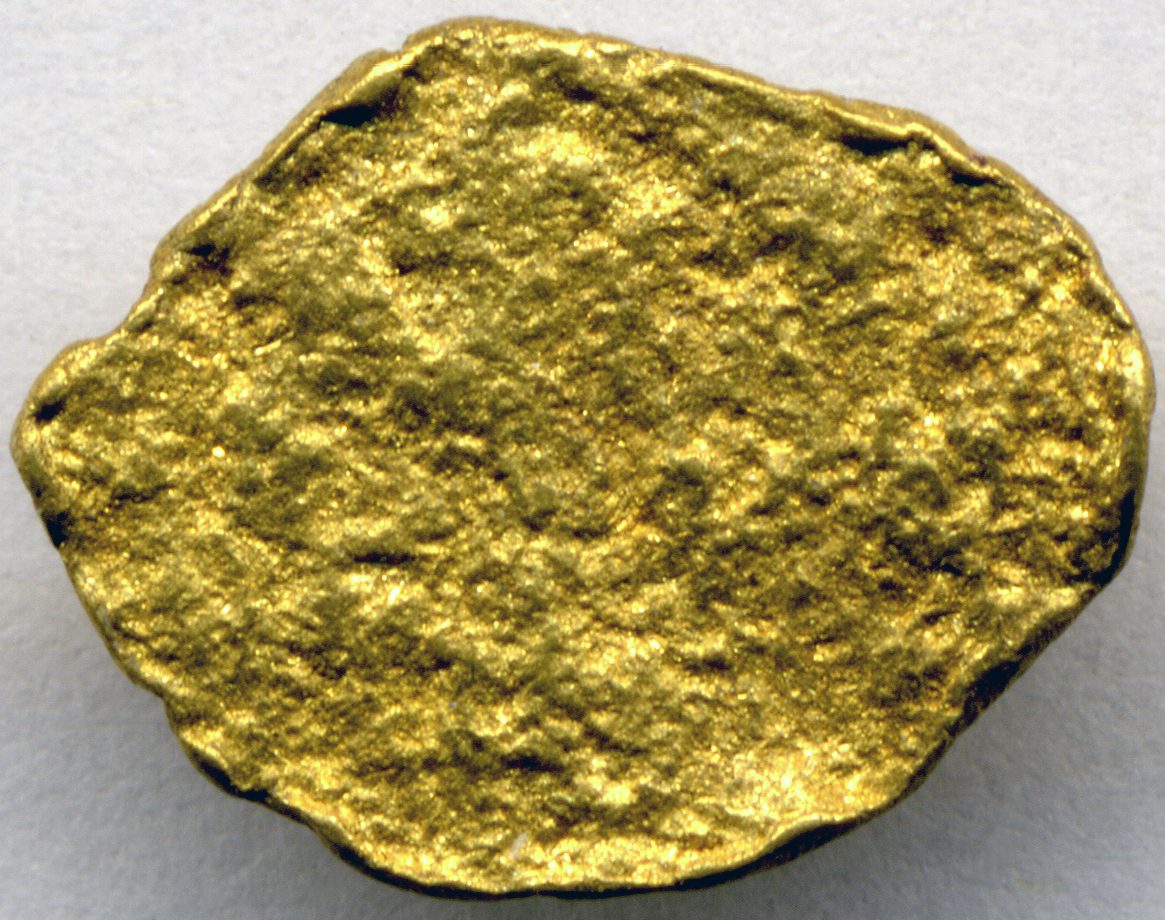
In May 2023 Richard Brock, detecting since 1989, arrived late at an organised dig near Much Wenlock in Shropshire with a half-working backup machine. Twenty minutes in he dug up a 64.8 g gold nugget, thought to be the largest ever found in England. It failed to sell at auction in 2024.
In May 2023 Richard Brock, a detectorist from Somerset who had been searching since 1989, drove about three and a half hours to an organised dig on farmland near Much Wenlock, in the Shropshire Hills. He arrived an hour late with three old machines. One died almost at once. The backup he switched to had a faded screen and, he said, was "pretty much kaput". After a few rusty tent pegs, about 20 minutes into a dig meant to last all day, it gave him a signal. Five or six inches down was a lump of gold.
It was a natural gold nugget weighing 64.8 g, a little over two troy ounces. Brock named it Hiro's Nugget. Mullock Jones, the auctioneers in Telford who offered it for sale, said it could be the largest gold nugget ever found in England. Brock said the previous English claimant weighed 54 g. No geologist or museum has tested that claim, and much bigger nuggets have come from elsewhere in Britain: the Reunion Nugget, found in Scotland, weighs 121.3 g.
How did gold get into a Shropshire field? Much Wenlock sits on limestone, and the area has no known gold deposits. Britain's gold comes mainly from Wales, Scotland and Cornwall. The auctioneers said an old track and a railway line were thought to have crossed the land, and that the site held stone understood to have come from Wales, so the nugget may have arrived with it. No analysis has been published, and its origin is still a mystery.
The nugget went under the hammer in an online sale that closed on 1 April 2024, with an estimate of £30,000 to £40,000. Bidding reached £12,000 and it did not sell. Even that was about three times the value of the gold itself, because collectors pay for a record. Brock had agreed to share any proceeds with the landowner. No later sale has been reported, and the nugget is presumably still in private hands.
Written for Global Finds from BBC News (March and April 2024), Kitco News (2024) and the SWNS report of the auctioneers' statement. Photo: a natural gold nugget, about 12 mm across, from an unknown locality (not Hiro's Nugget), James St. John, Wikimedia Commons, CC BY 2.0.
Linked finds
Source: BBC News