The Fort Halifax liard: a veteran's detector found a French coin at a Pennsylvania fort, a century old when the fort was built
Famous find Struck 1655, lost about 1756-57 · Found in 2021 See it on the timeline →
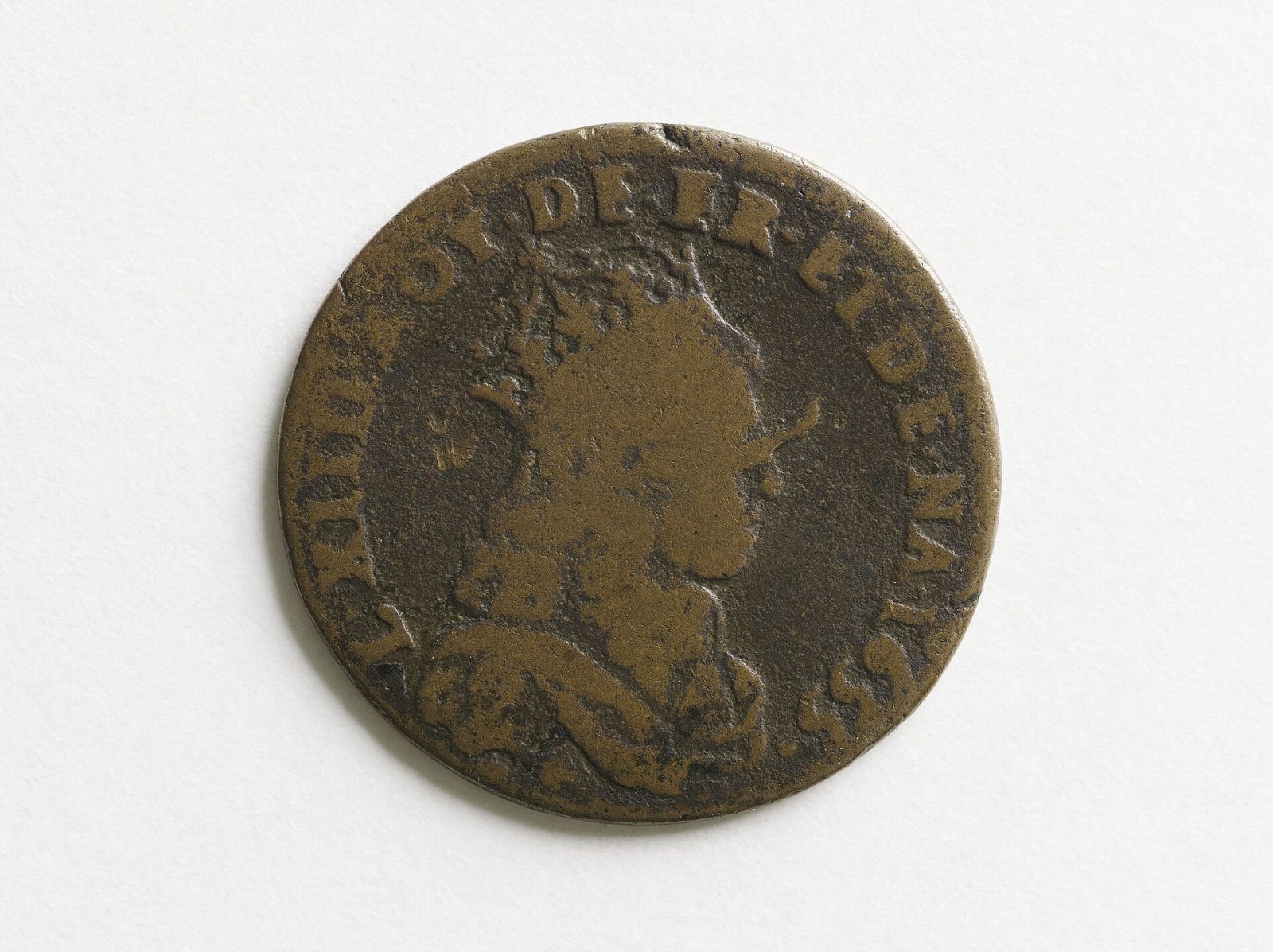
On 16 June 2021 a detecting team led by US Army veterans found a worn French copper liard dated 1655 at Fort Halifax, Pennsylvania, a provincial post of 1756. Why French coins reached a fort built to fight the French is the puzzle that this small find raised.
On 16 June 2021 a Juniata College field school was at work in Fort Halifax Park, on the Susquehanna River in Pennsylvania, led by Dr Jonathan Burns with the Friends of Fort Halifax Park. The metal-detecting survey was run by two US Army veterans, Dave Williams and Jeremy Severn of the Veterans Curation Program. Williams handed something small to the archaeologist Joe Baker. "Check that out!" he said. It was a worn but recognisable French copper liard, with its date still quite visible: 1655.
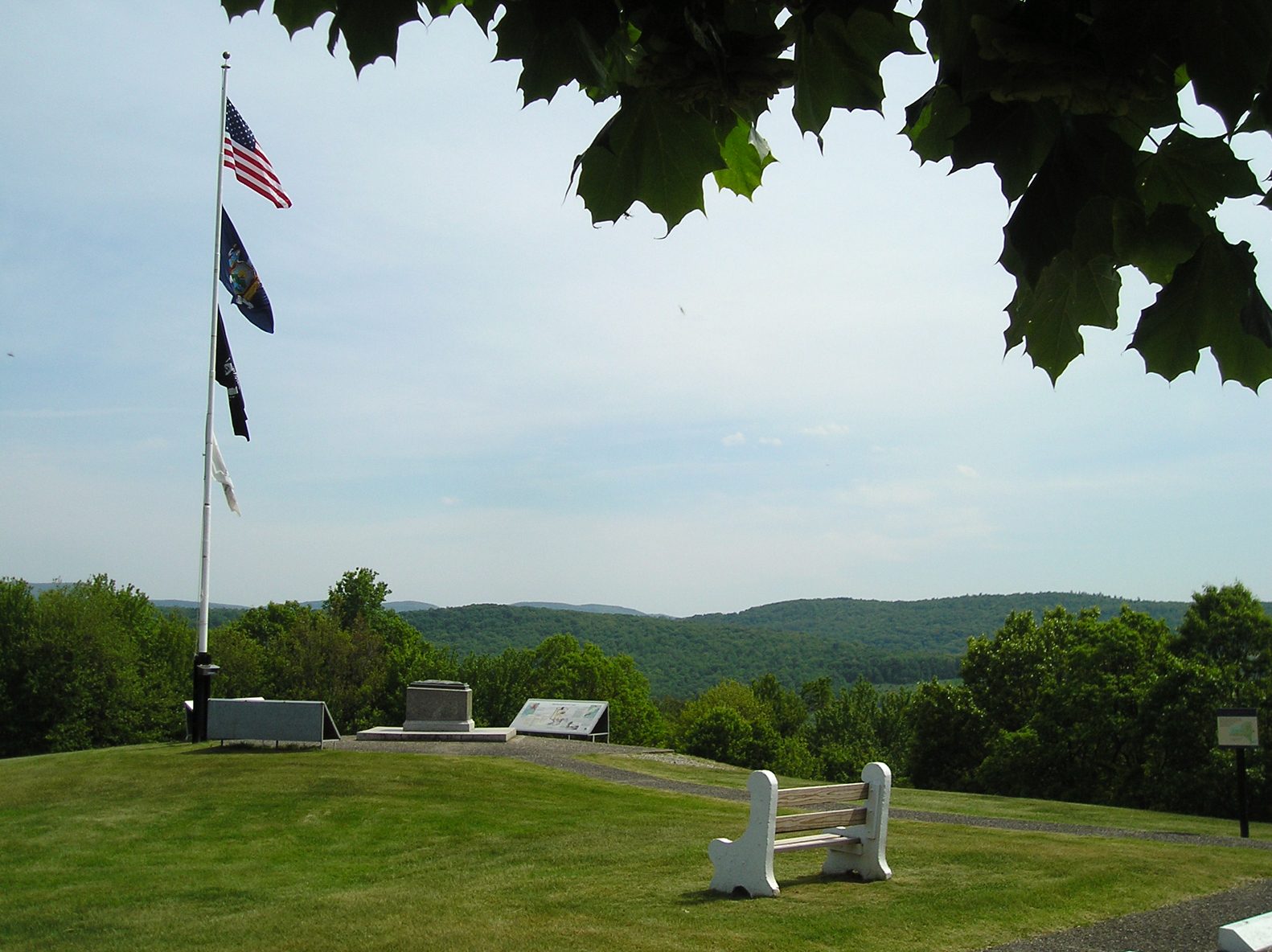
That date was the surprise. Fort Halifax was begun in June 1756, during the French and Indian War, by William Clapham's battalion of Pennsylvania provincials, as one of the posts guarding the frontier against the French and their allies. It was about 160 feet square, with four bastions. It was occupied for only about 16 months and then largely dismantled, and its exact site was uncertain for much of the 19th and 20th centuries. Earlier survey work and ground-penetrating radar in April 2021 helped the team to find it.
The team recovered five coins, and the three that could be identified were all French: two copper liards and a silver liard of 1580, about 175 years old when the fort was built. One copper liard had been pierced for stringing, although Baker doesn't say that it was the 1655 coin. Hundreds of other metal objects were mapped, including handmade nails, gun parts, buckles, buttons, tools and a strike-a-light. There were 15 lead balls too, three of them around the .65 calibre of the French Charleville musket, along with a French gunflint.
Why would French coins turn up at a fort built to fight the French? Baker offers two reasons. Coins were scarce on the frontier, so old money stayed in use for a very long time. The French objects may also point to people within French colonial trade networks, probably Native American visitors to the post. Pierced coins in the region are linked with Native American and sometimes African American wearers. That is interpretation, not proof. Later seasons have gone on to find foundations and hearths, and the site remains a public park, owned by Halifax Township. Published accounts don't say whether the coin is on show.
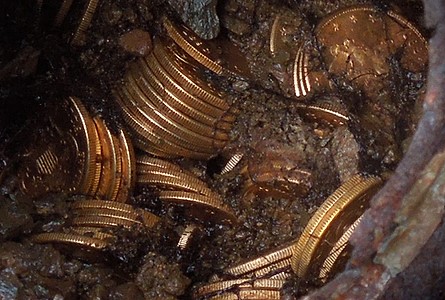
Written for Global Finds from Joe Baker in Pennsylvania Heritage (2023), Burns and Carr, the Friends of Fort Halifax Park and the National Park Service. Photo: a copper liard of Louis XIV dated 1655 (not from this find), Musée Carnavalet, Paris Musées, Wikimedia Commons, CC0.
Related guide: Choosing your first metal detector
Source: Pennsylvania Heritage