The Kilwa Coins of Marchinbar Island: medieval African coins found on an Australian beach
Famous find Coins struck in the 12th to 14th centuries · Found in 1944 See it on the timeline →
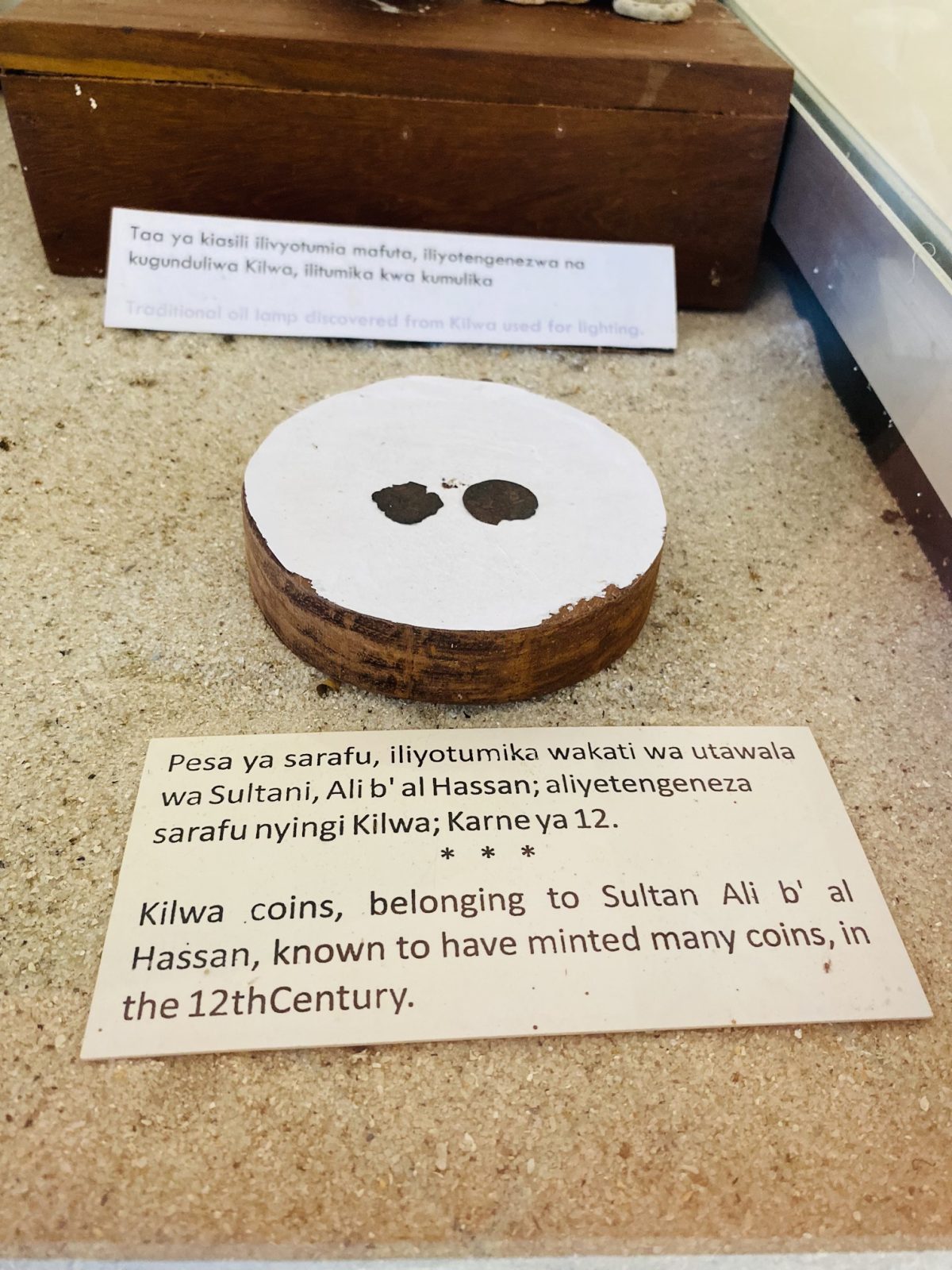
In 1944 an Australian airman fishing on Marchinbar Island, off the coast of Arnhem Land, picked up a handful of coins from the sand. Five turned out to be copper coins of the Sultanate of Kilwa in East Africa, struck centuries before Europeans reached Australia.
In 1944, Maurie Isenberg was serving with the Royal Australian Air Force at a radar station on Marchinbar Island, one of the remote Wessel Islands off the coast of Arnhem Land in Australia's Northern Territory. One day, while fishing on the beach at Jensen Bay, he noticed coins lying in the sand. He picked them up, put them in a tin, and forgot about them. It was not until 1979 that he came across them again.
There were nine coins. Four were Dutch, issued by the Dutch East India Company, the VOC, in the 17th and 18th centuries. The other five were small copper coins from Kilwa, a wealthy trading city on an island off the coast of what is now Tanzania, in East Africa. Kilwa's sultans controlled much of the gold trade of the Indian Ocean coast, and struck their own coins from about the 12th century. The Marchinbar coins date from roughly the 12th to the 14th centuries. Kilwa coins had previously been found outside East Africa only in Zimbabwe and Oman, and these are among the oldest foreign objects ever found in Australia.
Nobody knows how they got there. They may have come from a shipwreck, carried by castaways or washed ashore. Traders sailing the Indian Ocean may have stopped for fresh water at Jensen Bay, which has a freshwater lagoon. Or a ship may have been carrying them long after they were struck: in 1505 the Portuguese sacked Kilwa, and its coins could have travelled east with them. In the early 1980s Isenberg marked the spot on a map, and in July 2013 an expedition led by Ian McIntosh and Mike Owen of the Past Masters group found the place again, but did not solve the mystery. A possible Kilwa coin found on nearby Elcho Island in 2018 was too worn to identify for certain.
Isenberg's coins were given to the Sydney Mint Museum and are now in the collection of the Powerhouse museum in Sydney, whose main building is closed for renewal until 2027.
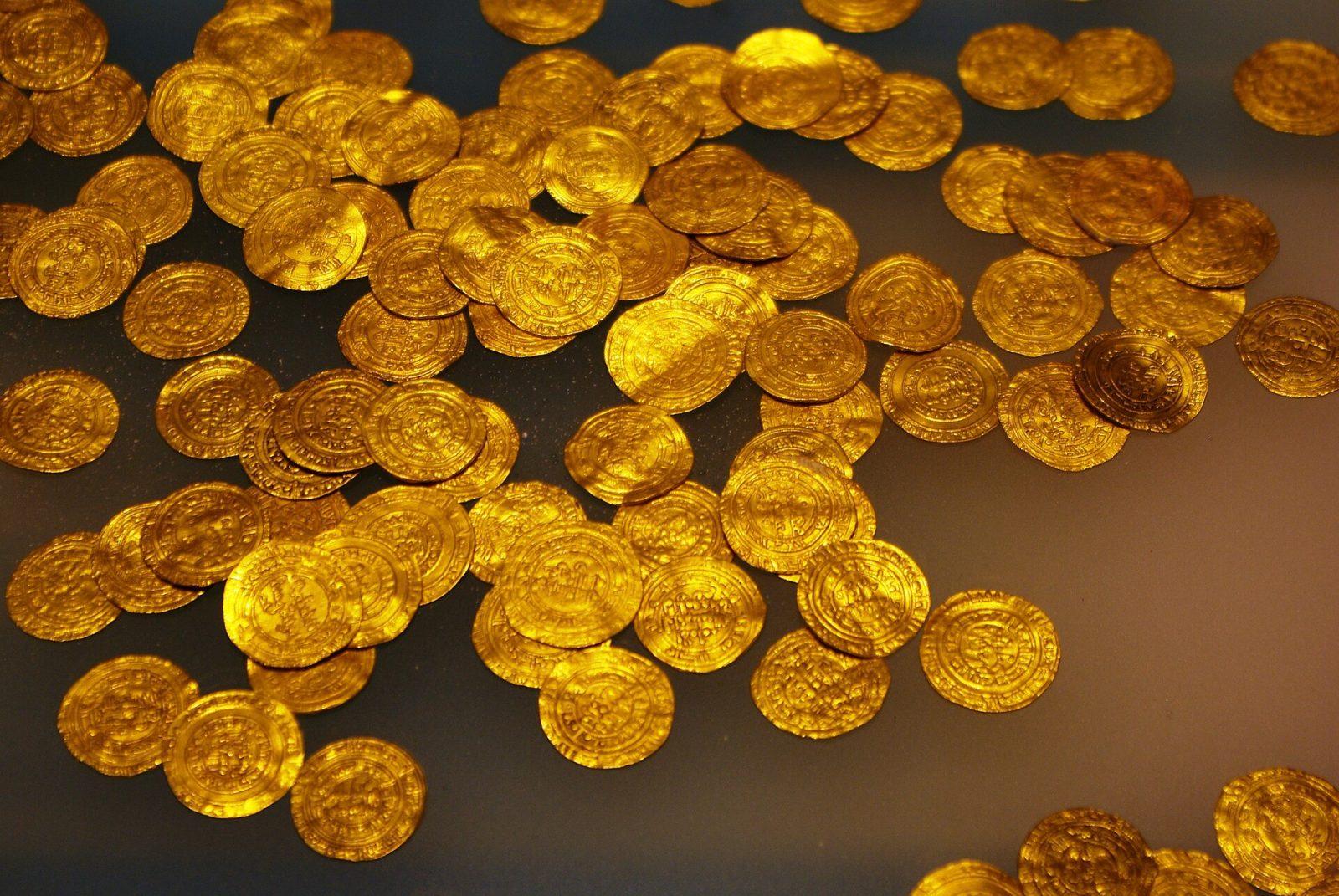
Written for Global Finds from Australian Geographic (2014), M. Owen in Australian Geographic (2014), the Perth Mint and The E-Sylum (2019). Photo: Kilwa coins in a museum in Tanzania, comparable coins, not from the Marchinbar find, Jacobgijjah, Wikimedia Commons, CC BY-SA 4.0.
Approximate location-11.28, 136.62View on map
Source: Australian Geographic