The Józefów Denarius: a Polish detectorist found Roman Republican silver with a ploughman, far beyond Rome's reach
Famous find Struck in Rome in 81 BC · Found in 2023 See it on the timeline →
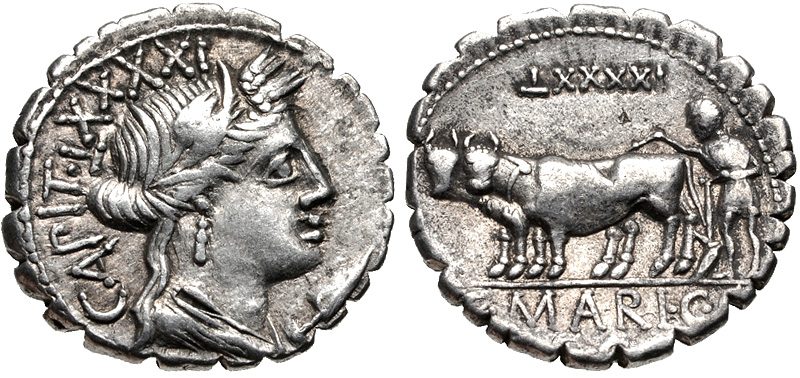
In 2023 Krzysztof Kozłowski, searching with a metal detector in the commune of Józefów nad Wisłą in eastern Poland, found a silver denarius with a notched edge. It was struck in Rome in 81 BC, when the Roman Republic was still ruled by its Senate.
In 2023, Krzysztof Kozłowski, a detectorist searching for historic objects in the commune of Józefów nad Wisłą, on the River Vistula in Poland's Lublin province, reported a small silver coin to the provincial heritage authorities. In May 2023 the Lublin Provincial Conservator of Monuments, Dariusz Kopciowski, announced what it was: a Roman denarius from the time of the Republic, struck in 81 BC.
The coin is a serratus, a denarius with a notched, saw-toothed edge, a style used by some Roman moneyers in this period. What survives is 16 millimetres across. On one side is the draped bust of Ceres, the Roman goddess of crops and harvests, with a small worn symbol under her chin. On the other is a man ploughing behind a pair of oxen, with part of the moneyer's name, MARI. The conservator described it as a denarius of Gaius Marius, but the man named is not the famous general of that name, who had died five years earlier; it is the moneyer Gaius Marius Capito, one of the officials in charge of the Roman mint in 81 BC. Many scholars think the ploughing scene shows a priest marking out the boundary of a new colony, as Roman custom required.
In 81 BC the Roman Republic was emerging from civil war, with Sulla ruling as dictator. The Vistula lay hundreds of miles beyond Rome's borders, in the lands of the people archaeologists call the Przeworsk culture. Republican denarii were valued for their good silver and stayed in use for generations, and they reached the peoples of central Europe through trade along routes such as the Amber Road. The conservator said finds of Republican coins in the region are usually linked with Przeworsk settlements of the last centuries BC and the first centuries AD. This was the latest of several Republican coins found in the Lublin region in recent years.
Under Polish law, archaeological finds belong to the State, and searching for them with a metal detector requires a permit from the provincial conservator. Kozłowski's coin was handed over to the heritage authorities.
Written for Global Finds from Radio Lublin (2023), Interia (2023) and the American Numismatic Society's Coinage of the Roman Republic Online. Photo: another serrate denarius of Gaius Marius Capito with the head of Ceres and the ploughman, not the Józefów coin, Classical Numismatic Group, Wikimedia Commons, CC BY-SA 2.5.
Linked finds
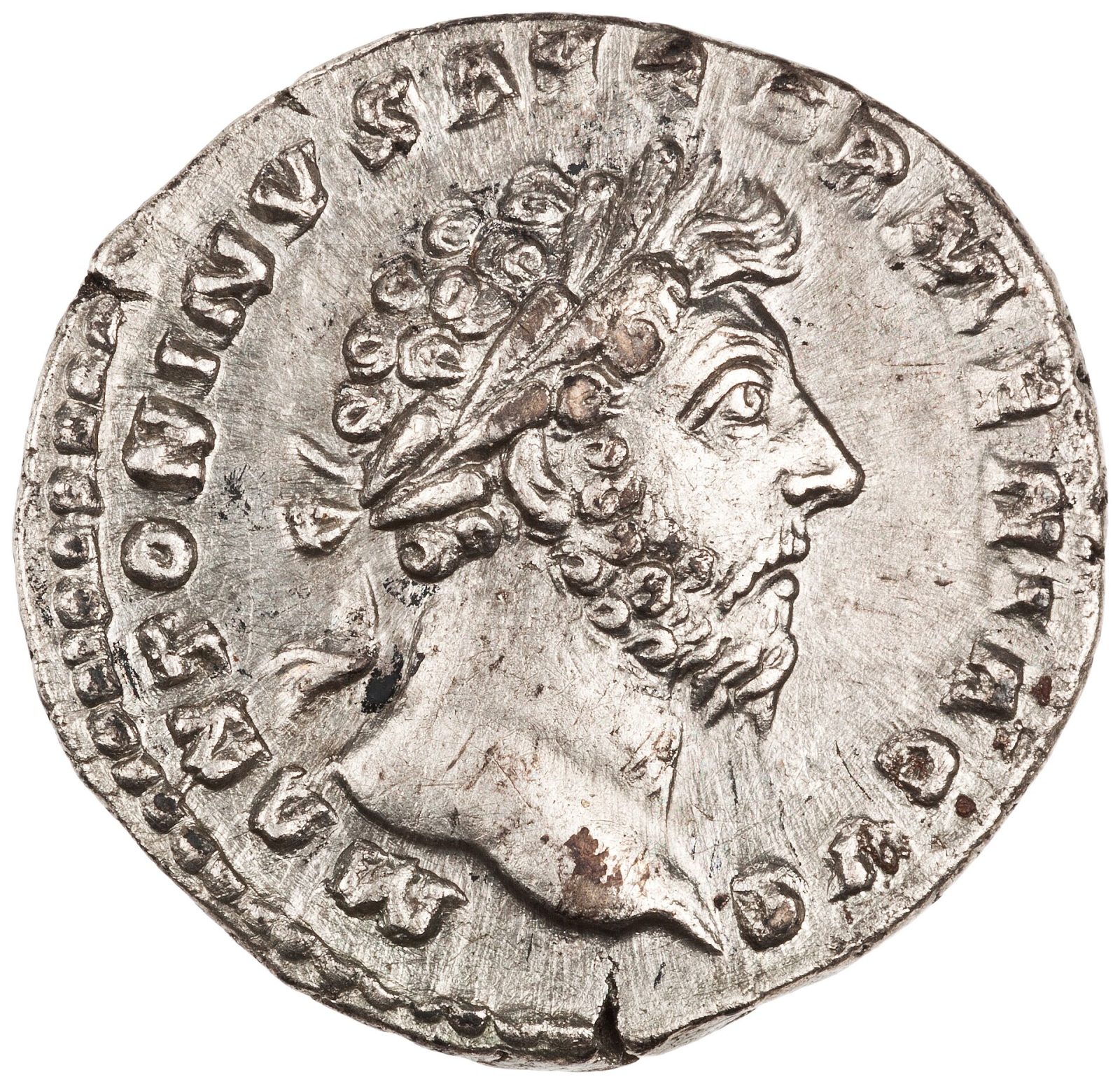
Source: Radio Lublin (2023)