The Bennington Battlefield survey: 54 volunteer detectorists helped to map a Revolutionary War fight, shot by shot
Famous find Battle of 16 August 1777 · Found in 2015 See it on the timeline →
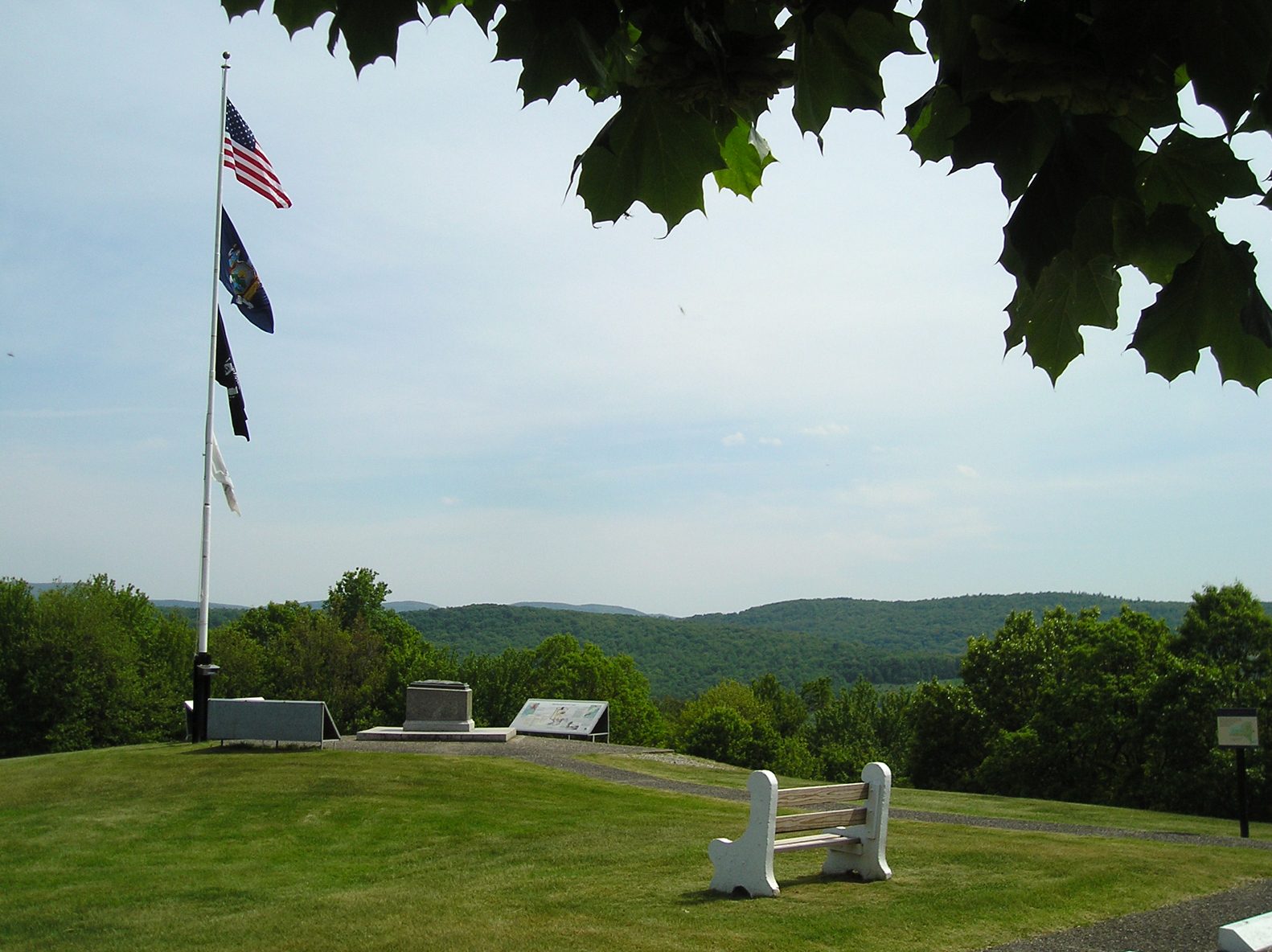
In October 2015 archaeologists and 54 volunteer detectorists searched the Bennington Battlefield at Walloomsac, New York. They recovered 397 objects, at least 221 linked to the battle of 16 August 1777, and the musket balls and buckshot redrew the fight on the map.
From 19 October to 1 November 2015, a team worked across the Bennington Battlefield at Walloomsac, New York, the site of a Revolutionary War fight named after a town just over the border in Vermont. The survey was run by Commonwealth Cultural Resources Group for New York State Parks, with a National Park Service grant, led by the archaeologist Chris Espenshade with Wade Catts and the historian Robert Selig. For four of those days, 54 volunteer detectorists joined in, walking supervised lanes about 1.5 m apart on state land. Some drove more than four hours each way.
They recovered 397 objects, of which at least 221 were linked to the battle. The report's table lists 56 rifle balls, 65 musket balls, 23 pieces of buckshot and 14 pieces of iron caseshot, along with coins and period buttons. Seven fired balls tested positive for blood with luminol, according to the Bennington Banner. The figures also made an honest comparison. Three professionals made 197 finds in 22.5 person-days, or 8.8 a day. The volunteers made 200 in 54 person-days, or 3.7 a day, even though they had been placed on the richest ground.
On 16 August 1777, John Stark's militia defeated a force under Friedrich Baum that had been sent out from Burgoyne's army. Royal losses were nearly 1,000 killed, wounded and captured, against fewer than 200 American. Plotting each find changed what was known about that day. The survey located the Tory Redoubt and the fighting around it, and it identified a previously unknown river ford and three possible fallback lines. The wide range of calibres pointed to a mixed militia arsenal, while carbine balls of about .615 inch fit the Brunswick dragoons. The caseshot showed where a 3-pounder had stood, and suggested that the gun at the German redoubt fired only once or twice before it was overrun. Radar picked out two features that may be potato pits used as mass graves, though these have not been verified.
The report appeared in 2017, with its maps and find locations removed from the public copy to protect the site. The finds are held by New York State Parks in Albany. The report also admits that relic hunters have searched the ground in the past, and it proposes a supervised volunteer research corps.
Written for Global Finds from the New York State Parks report on the survey (2017), Espenshade in Advances in Archaeological Practice (2017) and the Bennington Banner. Photo: the hilltop at Bennington Battlefield State Historic Site (the site today, not the finds), Adam Lenhardt, Wikimedia Commons, CC BY-SA 3.0.
Related guide: Choosing your first metal detector
Source: New York State Parks