The French buttons of Virginia: relic hunters looking for the Civil War found eleven tiny clues to Rochambeau's army
Famous find 1782, the French march north after Yorktown · Found in 2025 See it on the timeline →
Searching a cornfield south of Fredericksburg, Virginia, relic hunters Scotty Crabtree and Greg Lagasse found 11 small numbered buttons. They came from French units marching north in 1782, after Yorktown, and they have helped historians tie old French camp plans to real ground.
Scotty Crabtree and Greg Lagasse were looking for the Civil War. The sloping cornfield near a creek, south of Fredericksburg, Virginia, had held a Civil War camp, and they had permission to search it. In one corner of the field, though, they began to find something older: 11 small buttons with odd mounts on the back and delicate numbers on the front. With an online image search, they worked out what they had. These were French army buttons from the American Revolution, about 244 years old. The same field also gave up coins, including English and Spanish pieces and slivers of pieces of eight. Accounts differ on their exact dates.
Word of the finds reached Johnny Carawan, who runs the Washington-Rochambeau Revolutionary Route National Historic Trail. In March 2026 he emailed Virginia's Department of Historic Resources, and its regional archaeologist, Michael Clem, visited later that month and helped to authenticate the site. The department says that the buttons came from a variety of French infantry and artillery units. It has not published their numbers or the location.
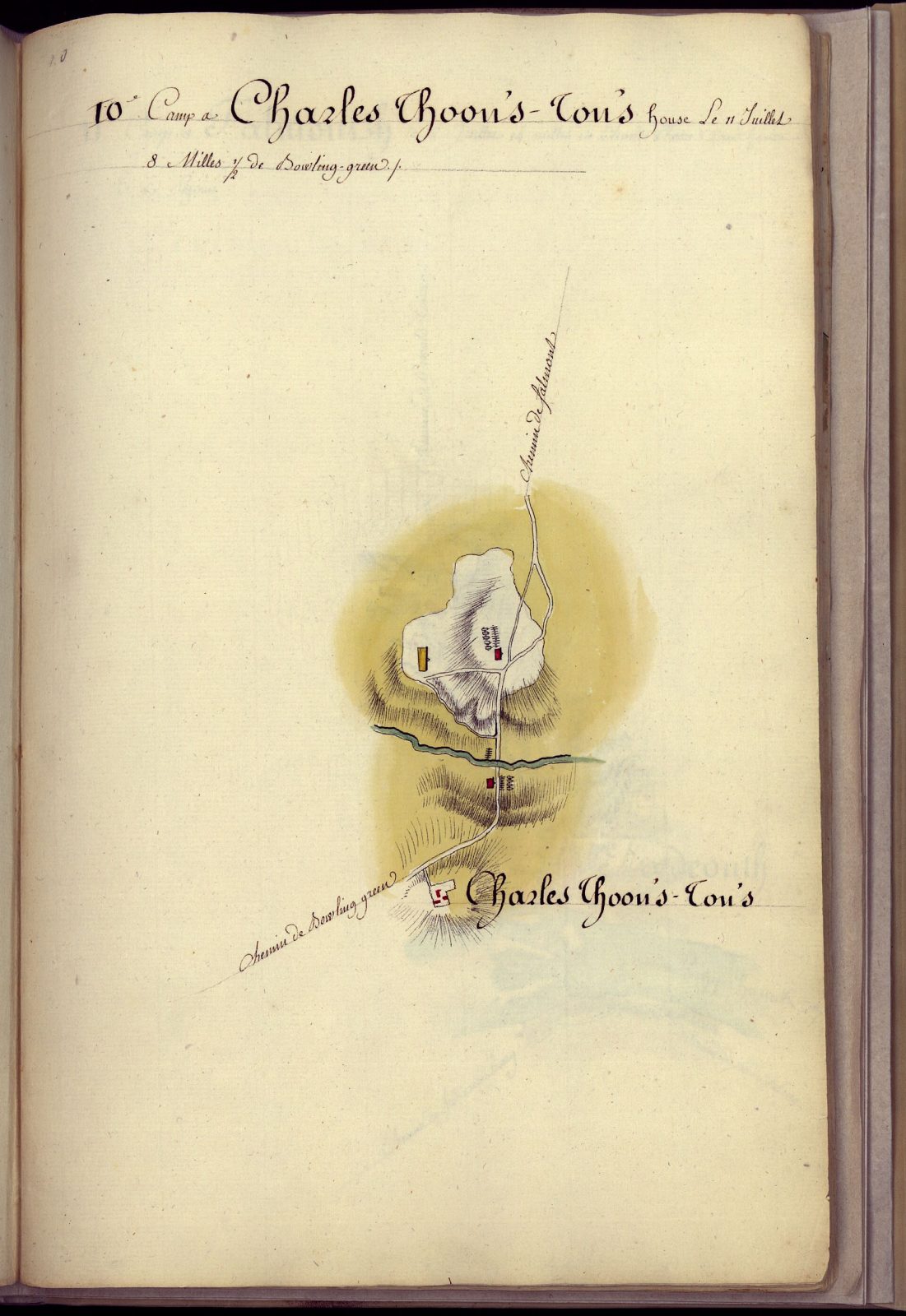
They fit a known event. After the victory at Yorktown, Rochambeau's French army spent the winter in Virginia. In July 1782 it left Williamsburg and marched north in four divisions, a day apart, with engineers going ahead to prepare each camp. French officers drew careful plans of these camps, now in the Library of Congress. The plans show each camp in detail but don't place it on the wider map, so these finds tie the plans to real ground. Which camp this was has not been published.
Archaeologists then surveyed the field with ground-penetrating radar and magnetometry and found no large features. A week of metal detecting on a grid found nothing French at all. Some lament that the site had been picked clean, while the department also points to a tidy camp, ploughing and Union occupation. The buttons remain in the finders' display cases. There was a further reward, however. Lidar work by the department's Jonathan Connolly led to a second private site, where a possibly intact French camp kitchen lies in woods that have never been ploughed. Testing there was still to come when the department reported it in September 2026.
Written for Global Finds from the Virginia Department of Historic Resources (Michael Clem, 2026), The Washington Post via The E-Sylum, and Lost History (McJoynt). Photo: a French plan of the tenth camp on the 1782 march, not confirmed as this site, Rochambeau, Wikimedia Commons, public domain.
Related guide: Permission to detect: who to ask, and what to agree