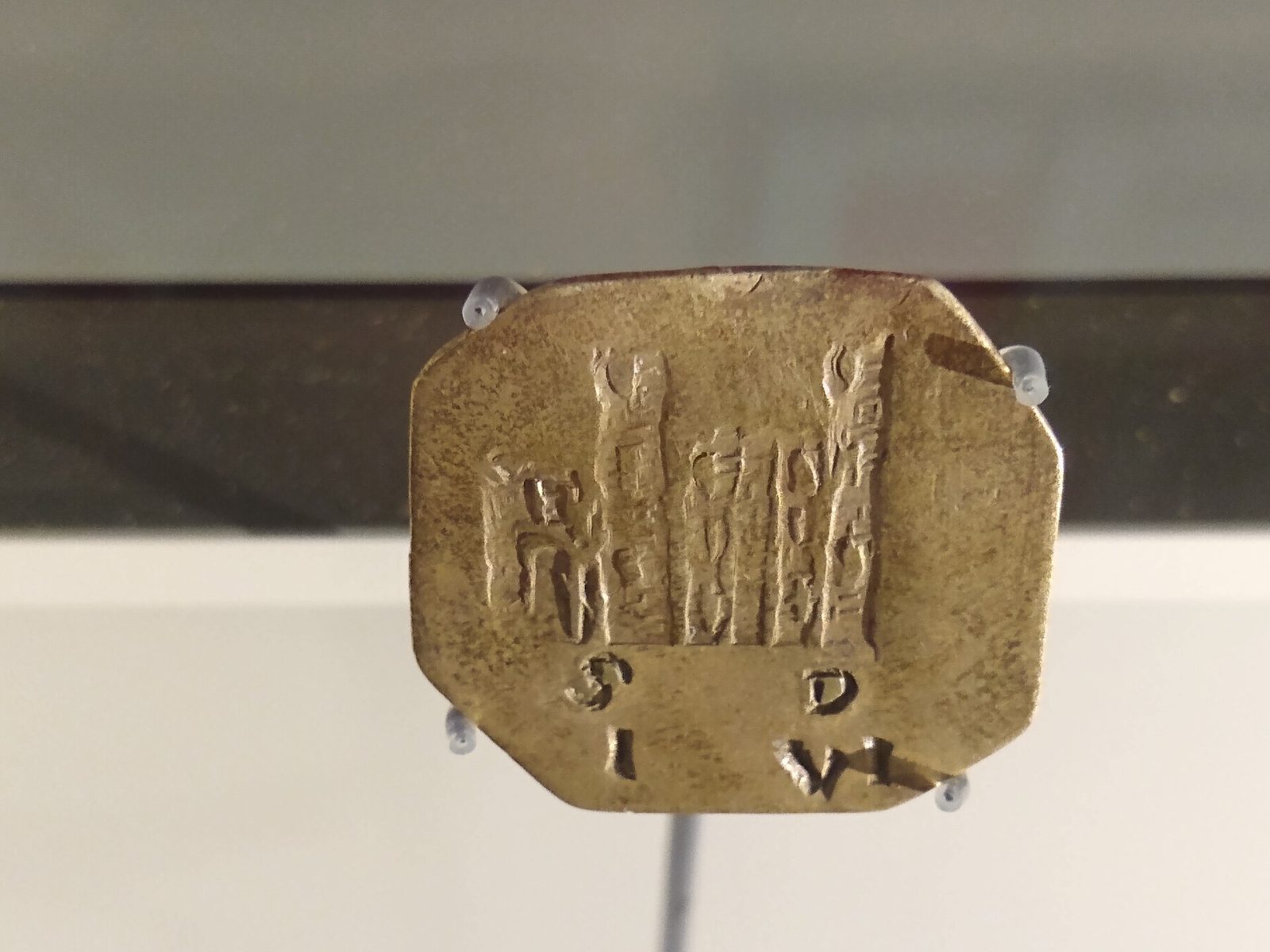
The Avar Woman's Coin: a silver penny of Charlemagne, worn as a pendant and buried in a Bratislava cemetery
Famous find Struck about 771 to 794 · Found in 2017 See it on the timeline →
In 2017 archaeologists digging ahead of a motorway at Podunajské Biskupice in Bratislava, Slovakia, found an 8th-century Avar cemetery of more than 460 graves. On one woman's chest lay a pierced silver penny of Charlemagne, struck between 771 and 794.
In the first half of 2017, archaeologists from the company Via Magna, led by Milan Horňák, spent five months excavating ahead of the new D4/R7 motorway bypass around Bratislava, on the edge of the borough of Podunajské Biskupice. They uncovered more than 460 graves of the 8th century, from the time when the Avars, a people who had come from the steppes, ruled the Carpathian Basin. Horňák called it the largest Avar site found in Slovakia for 40 years. Almost every grave held a decorated pot as a gift for the afterlife, along with silver-plated bronze belt fittings and other objects. No weapons were found, and about a third of the graves were those of children.
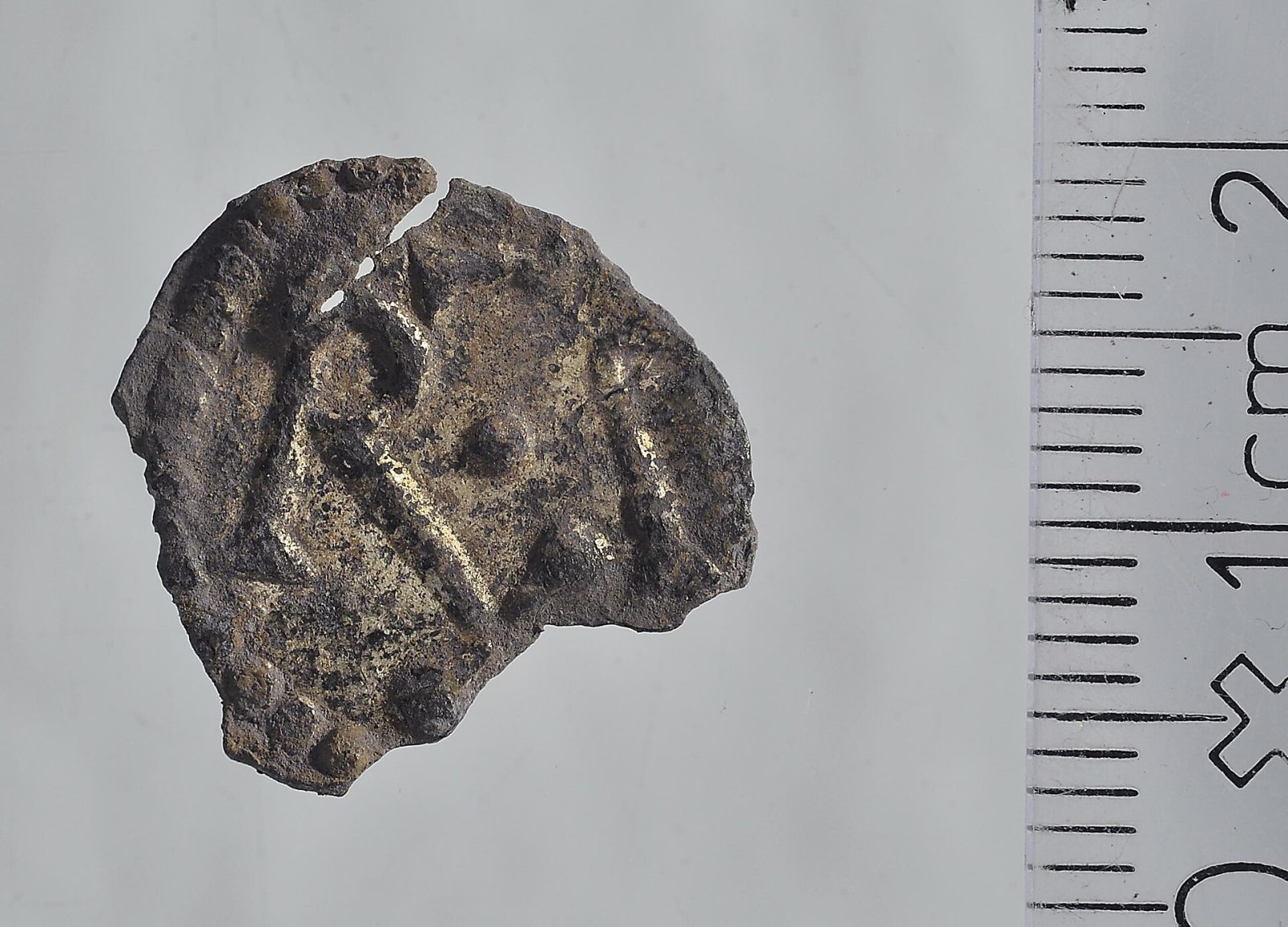
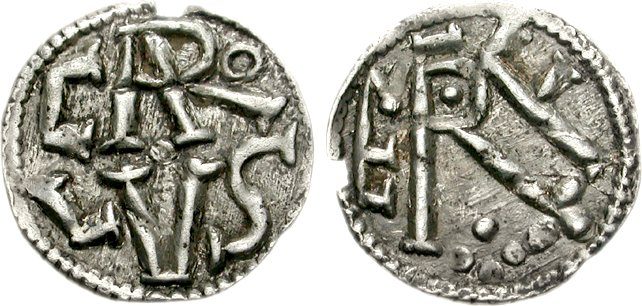
The rarest find was a small silver coin, a denier of Charlemagne, King of the Franks, from his early coinage of about 771 to 794, before he reformed his money and made his pennies heavier. It carries his name, CAROLUS. It had been pierced, and it was found on the chest of a buried woman.
The Avars did not use coins as money, so for her this was jewellery, not cash. Horňák suggested that an Avar man had brought it home to his wife, who made it into a pendant, and that this must have happened before Charlemagne went to war with the Avars in 791. "She would hardly have made a pendant out of the coin of her people's arch-enemy," he said. Within a few years, Frankish armies had broken the power of the Avars and carried off their famous treasure, the Ring of the Avars. Horňák said that only 14 coins of this kind were known worldwide, all in old collections, and that this was the first to come from an excavation, a claim that has not been checked by other specialists.
When the work was finished, the finds were to go to the Archaeological Museum of the Slovak National Museum in Bratislava, to be shown to the public at a later date.
Written for Global Finds from Rádio Slovakia International (2017), TASR (2017) and Pravda (2017). Photo: another early silver denier of Charlemagne of about 771 to 794, struck at Milan, not the Bratislava coin, Classical Numismatic Group, Wikimedia Commons, CC BY-SA 2.5.