The 1715 Treasure Fleet: Spanish silver that still washes up on Florida's beaches
Famous find Wrecked 31 July 1715 · Found in 1961 See it on the timeline →
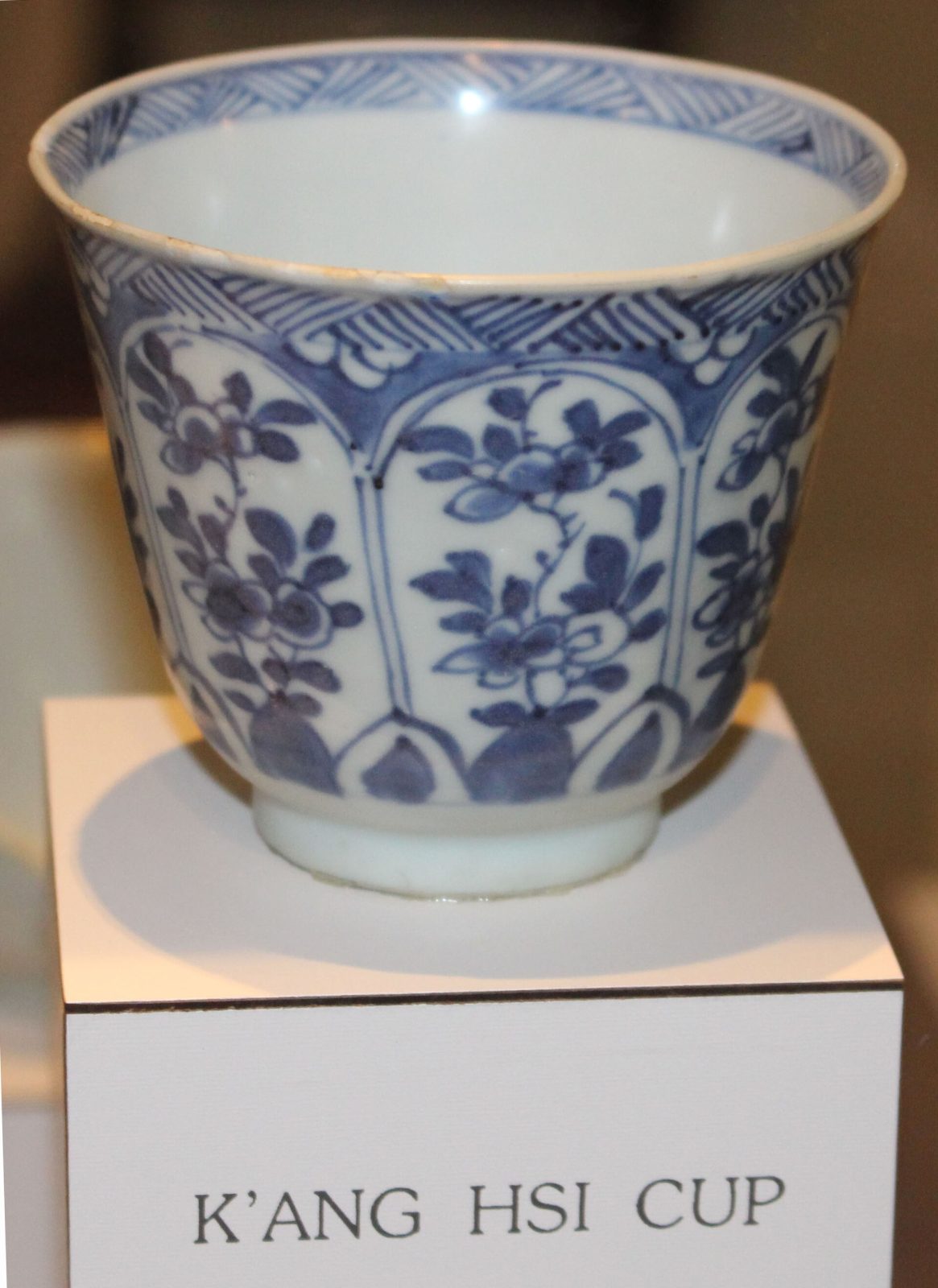
On 31 July 1715 a hurricane wrecked eleven Spanish treasure ships off the east coast of Florida. Two and a half centuries later a builder picking up coins on the beach with a surplus mine detector found the wrecks, and the fleet's gold and silver is still being recovered today.
On 24 July 1715, eleven Spanish ships under Captain-General Juan Esteban de Ubilla left Havana for Spain, carrying the treasure of the Americas: silver coins and bars, gold, jewels and Chinese porcelain. Seven days later, in the early hours of 31 July, a hurricane drove the whole fleet onto the reefs off the east coast of Florida, between Sebastian Inlet and St Lucie Inlet. Every one of the eleven ships was lost, and somewhere between a thousand and fifteen hundred people died. Only a French ship sailing with them, which had kept further out to sea, survived.
The survivors set up camp on the shore, and for about four years the Spanish salvaged what they could, while pirates, among them Henry Jennings and Charles Vane, raided the camp for its treasure. Then the wrecks were forgotten.
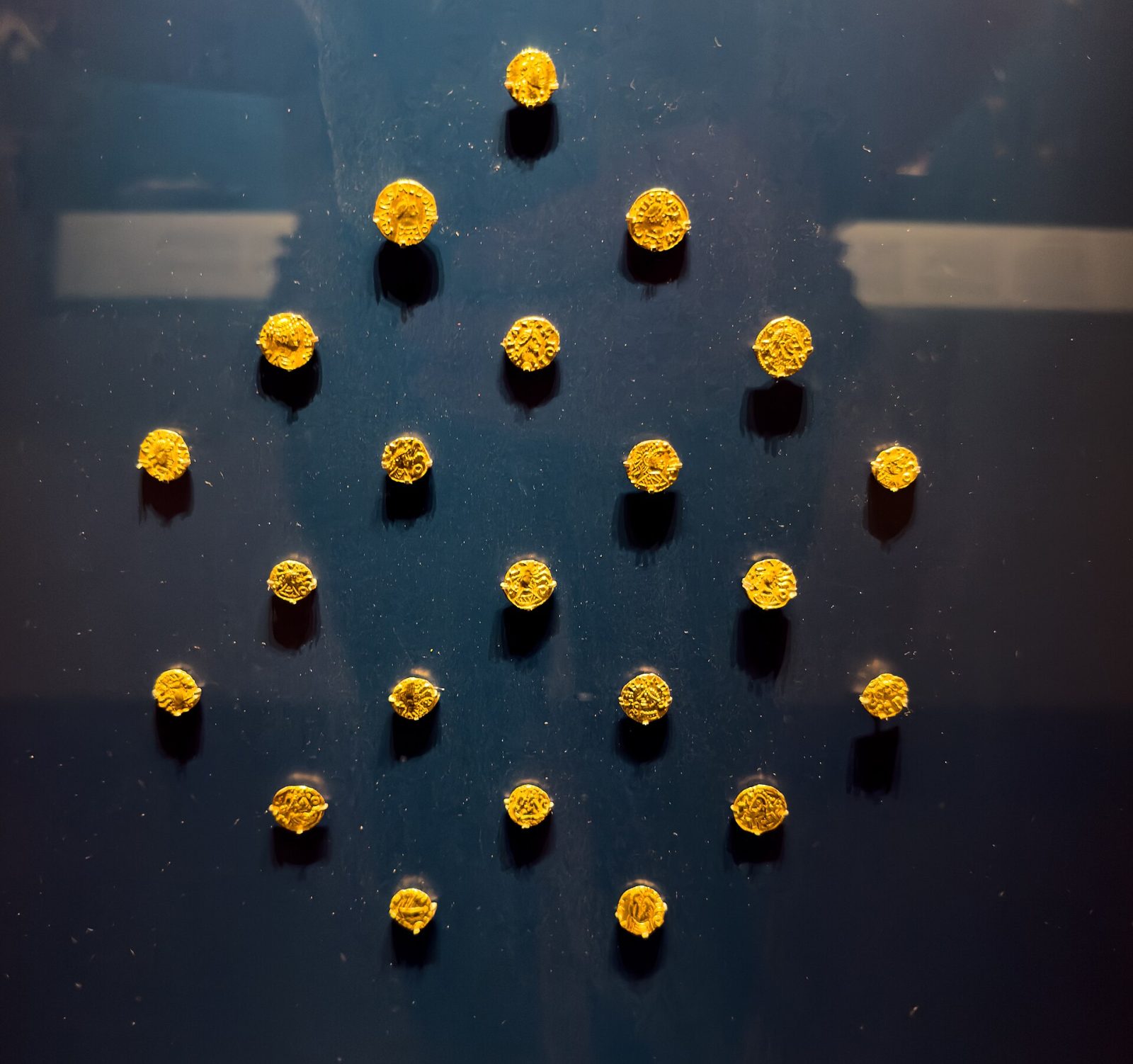
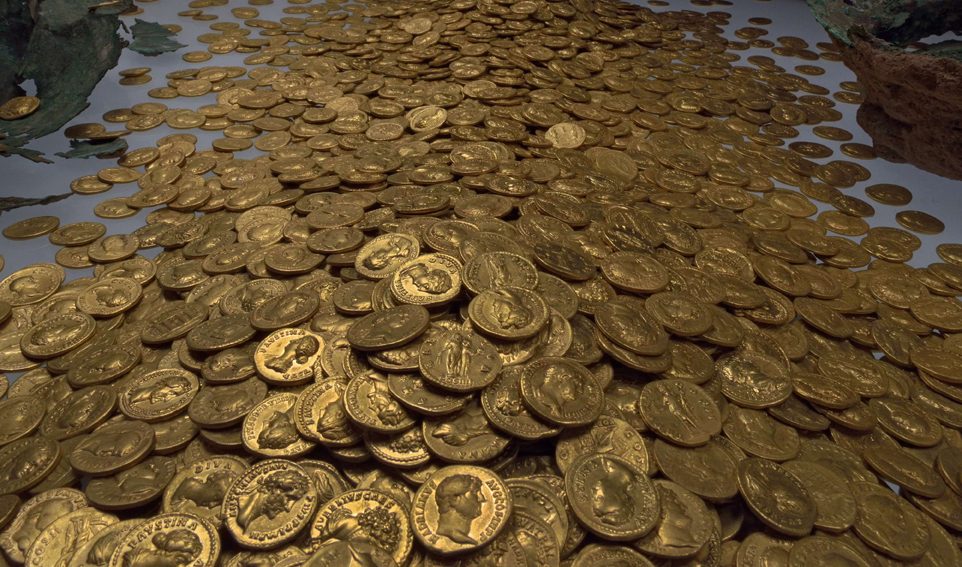
In the late 1940s and 1950s, Kip Wagner, a building contractor living at Wabasso, began picking up silver coins on the beach after storms, and noticed that none of them was dated later than 1715. With his friend Dr Kip Kelso, who found an old map marking where the fleet had come to grief, and a war-surplus mine detector bought for 15 dollars, he traced the coins back to the wrecks. In 1960 and 1961 he formed the Real Eight Company to salvage them, and in May 1964 divers working for the company, from Mel Fisher's team, found what became known as the Carpet of Gold: well over a thousand gold coins lying on the sea bed. National Geographic told the story in January 1965.
Salvage still goes on under licence. In 2015, on the 300th anniversary of the wreck, divers working for the current rights holder recovered gold coins worth millions of dollars, including a rare presentation coin made for King Philip V. Coins still wash up on the beaches of what is now called the Treasure Coast after storms.
The site of the survivors' camp is now the McLarty Treasure Museum in Sebastian Inlet State Park, which tells the story of the fleet. Florida law says that treasure and historic objects abandoned on state land or in state waters belong to the state, and removing them without a permit is a criminal offence.
Written for Global Finds from Coin World and CBS News (July 2015), the 1715 Fleet Society, WQCS public radio and the Florida Statutes. Photo: Chinese porcelain carried on the 1715 Fleet, at the McLarty Treasure Museum, Jkmscott, Wikimedia Commons, CC BY-SA 4.0.
Approximate location27.83, -80.43View on map
Source: Coin World