The Herefordshire Hoard: Viking-age treasure that two detectorists hid, and went to prison for
Famous find Buried about AD 878 to 879 · Found in 2015 See it on the timeline →
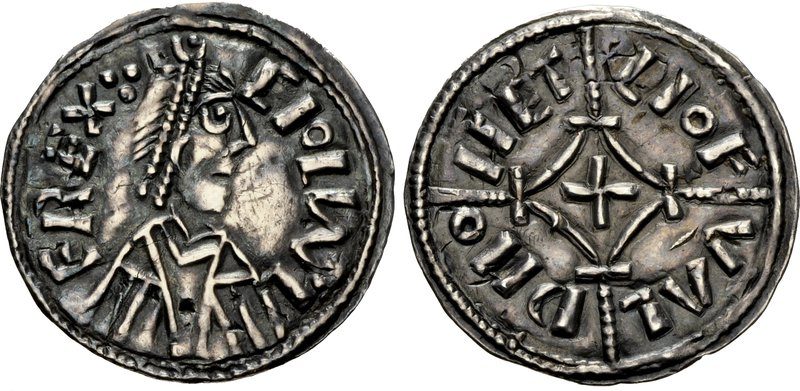
In June 2015 two metal detectorists dug up a Viking-age hoard of around 300 coins and gold jewellery near Leominster, and kept it secret. Most of the coins have never been recovered, and the men were jailed for one of the worst heritage crimes in British history.
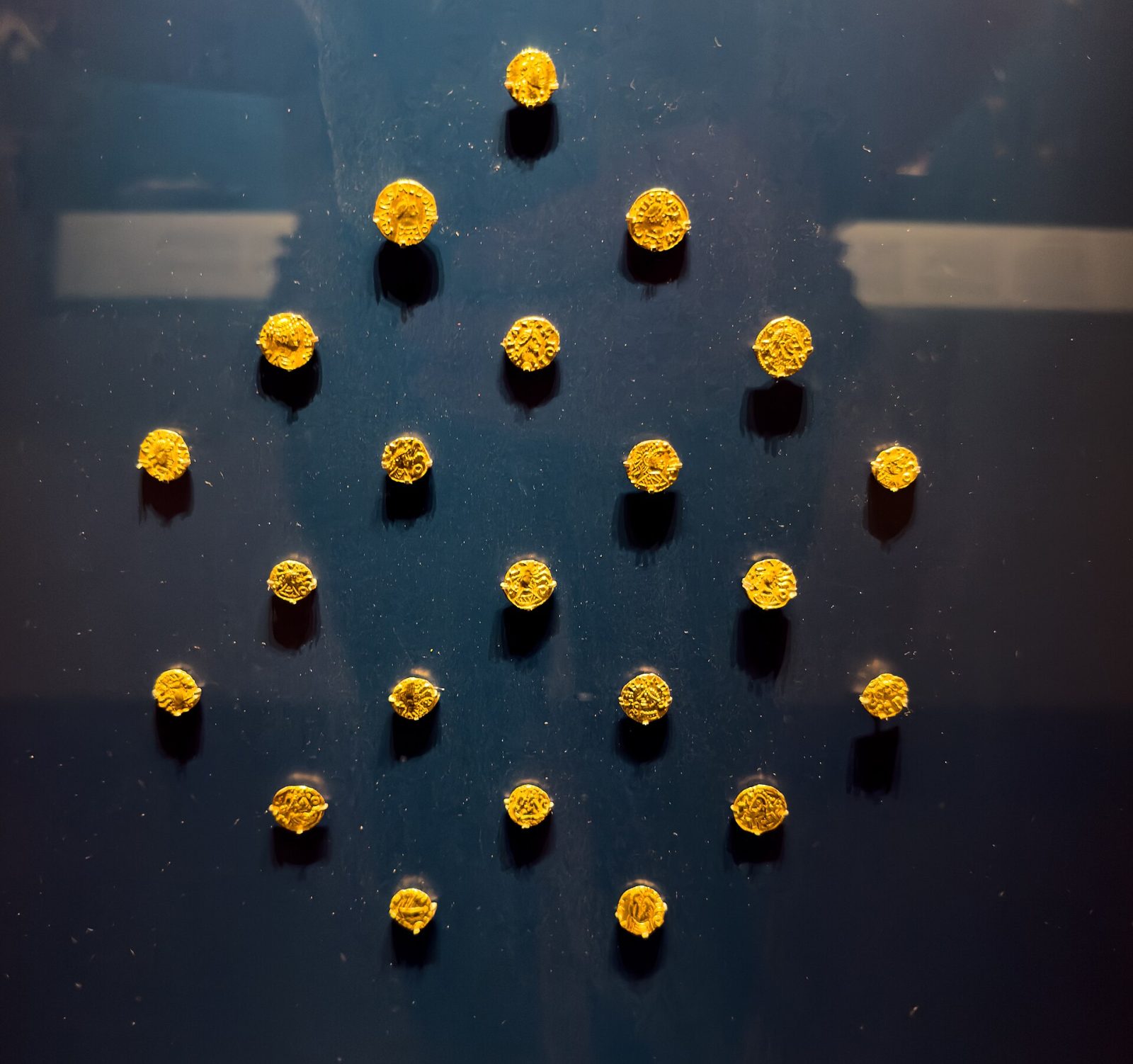
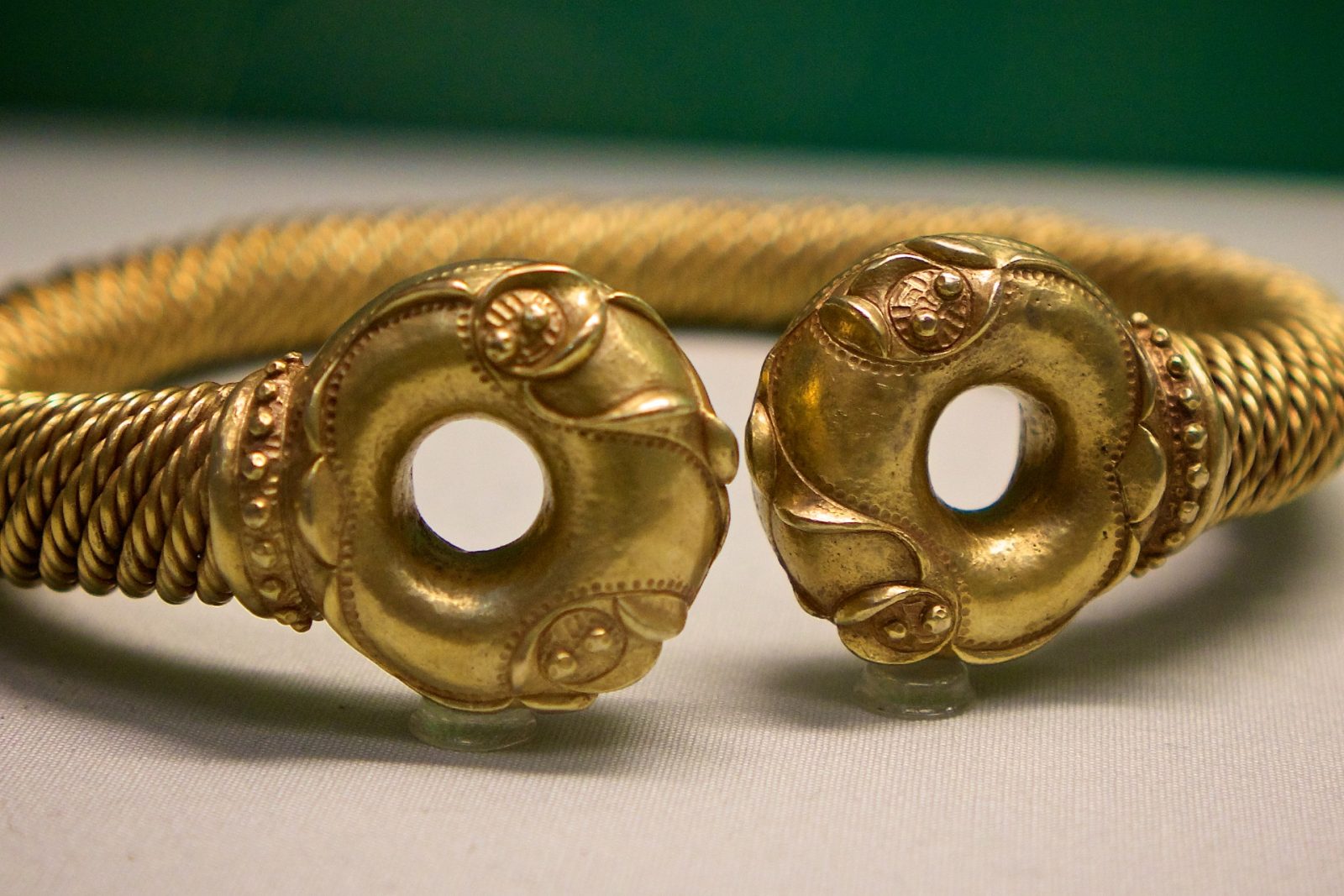
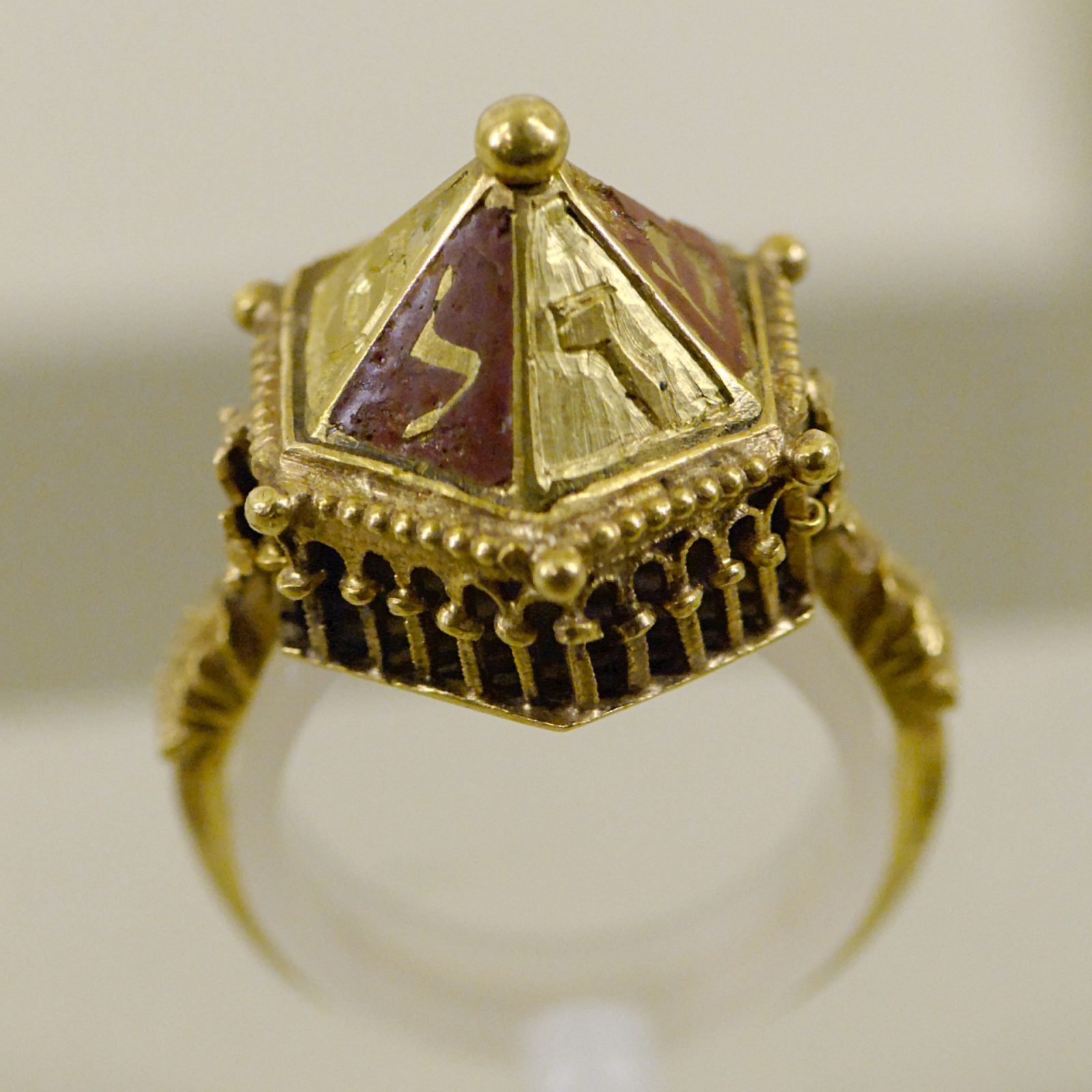
In June 2015, George Powell and Layton Davies, two metal detectorists from South Wales, were searching a field at Eye, north of Leominster in Herefordshire, without the landowner's permission. They dug up a hoard buried in the Viking age: an estimated 300 silver coins, a gold ring, a gold bracelet with a beast's-head clasp, a rock-crystal sphere in a gold mount, and a silver ingot. Instead of reporting it, they told no one. A month later they declared just one coin each and three pieces of jewellery to the National Museum of Wales, and began quietly selling the rest through dealers.
The police investigation that followed recovered photographs, deleted from one of the men's phones, showing the hoard intact in a freshly dug hole. In November 2019, at Worcester Crown Court, Powell and Davies were convicted of theft and concealing criminal property, along with a coin dealer, Simon Wicks. Powell was sentenced to ten years and Davies to eight and a half, later reduced on appeal. The judge said that if they had reported the hoard, they could have shared a reward worth well over a million pounds. They were later ordered to pay back more than £600,000 each, and both have since been given extra prison time for failing to pay. Two more men were jailed in 2023 after 44 further coins from the hoard were seized in a police operation.
Only 31 coins from the hoard have been recovered by the authorities, besides those seized later. About 270 are still missing. That loss matters, because the coins are of national importance. The hoard was buried around AD 878 or 879, just after Alfred the Great's victory over the Viking army at Edington, and many of its coins are the rare Two Emperors pennies of Alfred of Wessex and Ceolwulf II of Mercia, showing the two kings side by side as equal allies. Later chroniclers dismissed Ceolwulf as a Viking puppet; coins like these, also found in the Watlington Hoard, suggest a very different story at a key moment in the making of England.
In 2022 Herefordshire Museum Service bought the recovered items for £776,250, with help from the National Heritage Memorial Fund, Art Fund and others. They have been shown at the British Museum and at JORVIK in York, and are intended for the redeveloped Hereford Museum and Art Gallery.
Written for Global Finds from BBC News reports of the trials and acquisition (2019 to 2025), Current Archaeology and Herefordshire Council. Photo: a silver penny of Ceolwulf II of Mercia, Alfred's ally, of the kind found in the hoard (this coin is not from the Herefordshire Hoard), Classical Numismatic Group, Wikimedia Commons, CC BY-SA 2.5.
Approximate location52.26, -2.73View on map
Source: BBC News