The Whydah Gally Bell: the inscription that proved a Cape Cod wreck was a pirate ship
Famous find Cast in 1716; the ship sank in April 1717 · Found in 1985 See it on the timeline →
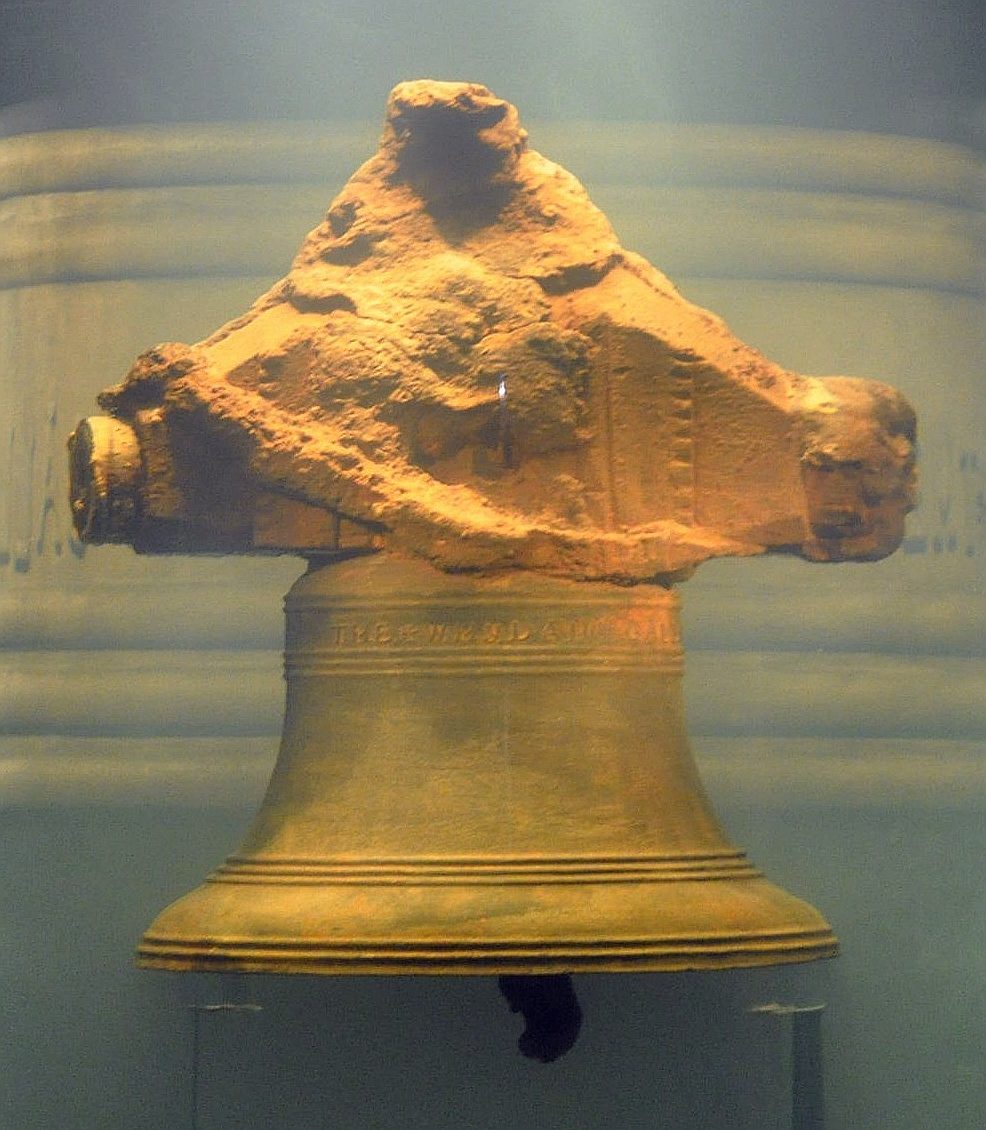
The pirate ship Whydah Gally sank off Cape Cod in a storm in April 1717. Explorer Barry Clifford found the wreck in 1984, and in October 1985 his divers raised its bronze bell, inscribed with the ship's name: the first pirate wreck ever identified beyond doubt.
On the night of 26 April 1717, a nor'easter drove the pirate ship Whydah Gally onto the sandbars off Wellfleet, on Cape Cod in Massachusetts. She had been built in London in 1715 as a slave ship, and the pirate Samuel Bellamy had captured her only weeks before, south of the Bahamas. More than 140 men were aboard, and only two survived.
For more than 260 years the wreck lay lost beneath the shifting sand. In 1984 the underwater explorer Barry Clifford found it in about 30 feet of water. Coins and cannon came up, but no proof of the ship's name, until 30 October 1985, when his divers raised a bronze bell. Under its crust were the words THE WHYDAH GALLY 1716. It made the Whydah the first pirate shipwreck ever identified beyond doubt.
Since then Clifford's team has raised well over 180,000 artefacts, from gold and silver coins to pistols and cannon. Much more is still locked inside concretions, lumps of sand and corroded iron cemented together by the sea. About 300 have yet to be opened, one of them weighing some 13,000 pounds, and when one was cracked open at the museum in 2016 it held Peruvian coins and gold. Clifford believes that less than a tenth of the ship has been recovered. A thigh bone tested for DNA in 2018, in the hope that it was Bellamy's, turned out to belong to someone else.
Clifford has said that he will never sell the collection. The bell is on display at the Whydah Pirate Museum in West Yarmouth, on Cape Cod, which opened in 2016 and is open all year.
Written for Global Finds from New England Today (Yankee), Guinness World Records, The Boston Globe (2021), Boston Magazine and the Whydah Pirate Museum. Photo: the Whydah's bell, shown under water at an exhibition in Houston in 2010, jjsala, Wikimedia Commons, CC BY 2.0.
Approximate location41.89, -69.96View on map
Source: New England Today (Yankee)