The Tibooburra Spud: a prospector nearly walked past a faint signal, and dug up 1.2 kg of outback gold
A natural gold nugget · Found in 2026 See it on the timeline →
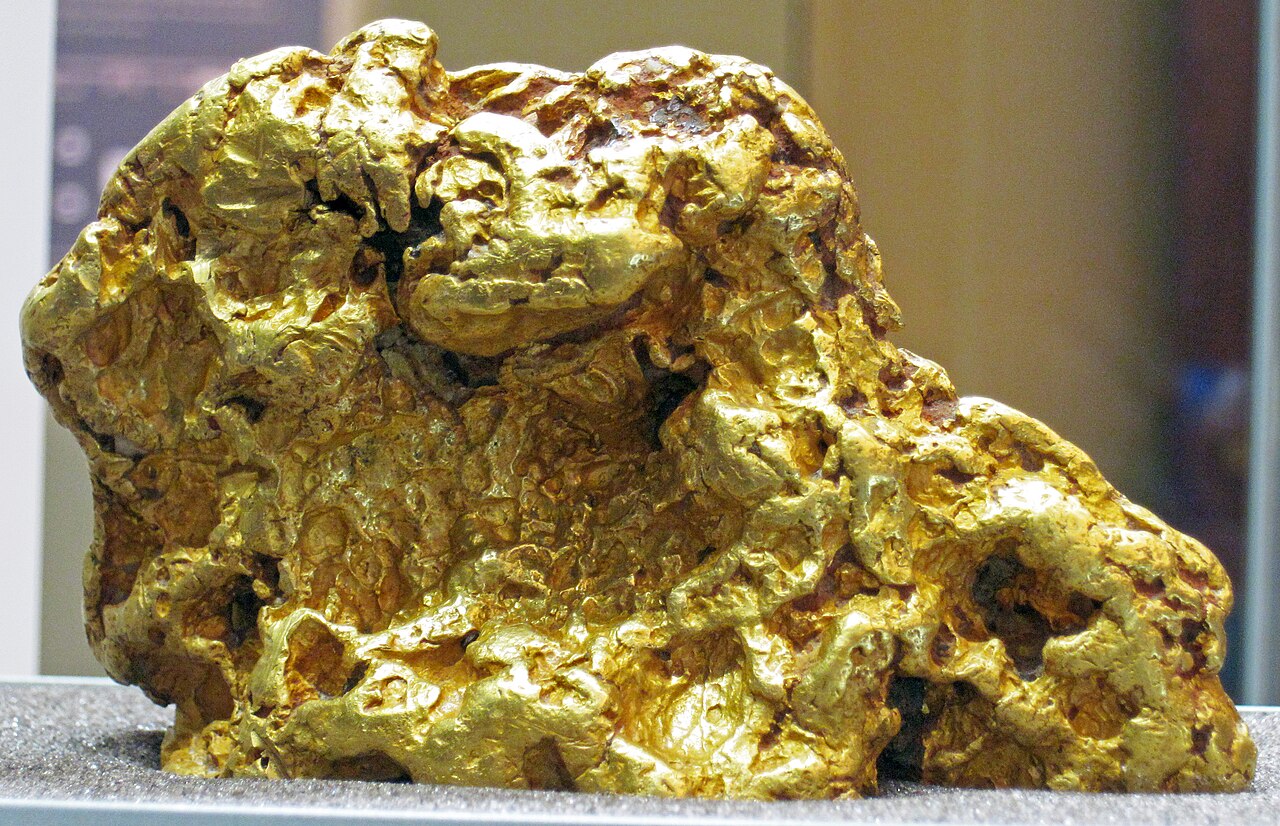
An amateur prospector searching Mount Stuart station, near Tibooburra in far north-west New South Wales, found a 1,218 g gold nugget in October 2026 with a Minelab GPZ 8000. It holds about 940 g of gold and is worth around A$150,000 or more.
In the middle of October 2026, a prospector who has asked not to be named was coming to the end of another long day on Mount Stuart station, near the small outback town of Tibooburra in the far north-west corner of New South Wales. He had been digging there for several days, and after years of fossicking he was used to going home with nothing. Then his Minelab GPZ 8000 gave a signal. It was faint, and he almost walked past it.
He dug anyway. At about 100 mm down the signal turned loud, and on the first or second scrape he saw a bright yellow patch in the bottom of the hole. What came out was a nugget about 8 to 9 cm long, flecked with quartz, weighing about 1,218 g. Tests showed it holds about 940 g of gold. He has nicknamed it the Tibooburra Spud.
At the price of gold in late October, the gold alone is worth around A$150,000 to A$160,000. A large natural nugget usually sells for more than its metal, and the finder plans to offer it to a collector, hoping for up to A$200,000. Gold has been unusually expensive this year. It peaked at almost A$8,000 a troy ounce in January 2026 and has since fallen back to about A$5,700.
Finds this size are rare even in Australia. Greg Spangler, who has sold prospecting gear in Broken Hill for about 20 years, told the ABC that most people find flakes or nuggets of a few ounces. He jokes that there is an "ounce club" for those who reach an ounce, and a much smaller "kilo club". He has known only one other customer find a nugget of over a kilogram. He thinks high gold prices have drawn many newcomers to the hobby, and that heavy rain can uncover gold in fresh places.
People have searched for gold around Tibooburra since the late 1880s, and the area still draws prospecting visitors. Mount Stuart and Gumvale stations let fossickers search for a fee. Fossicking on the Tibooburra Common, the land around the town, is closed for now while Native Title permissions are sorted out.
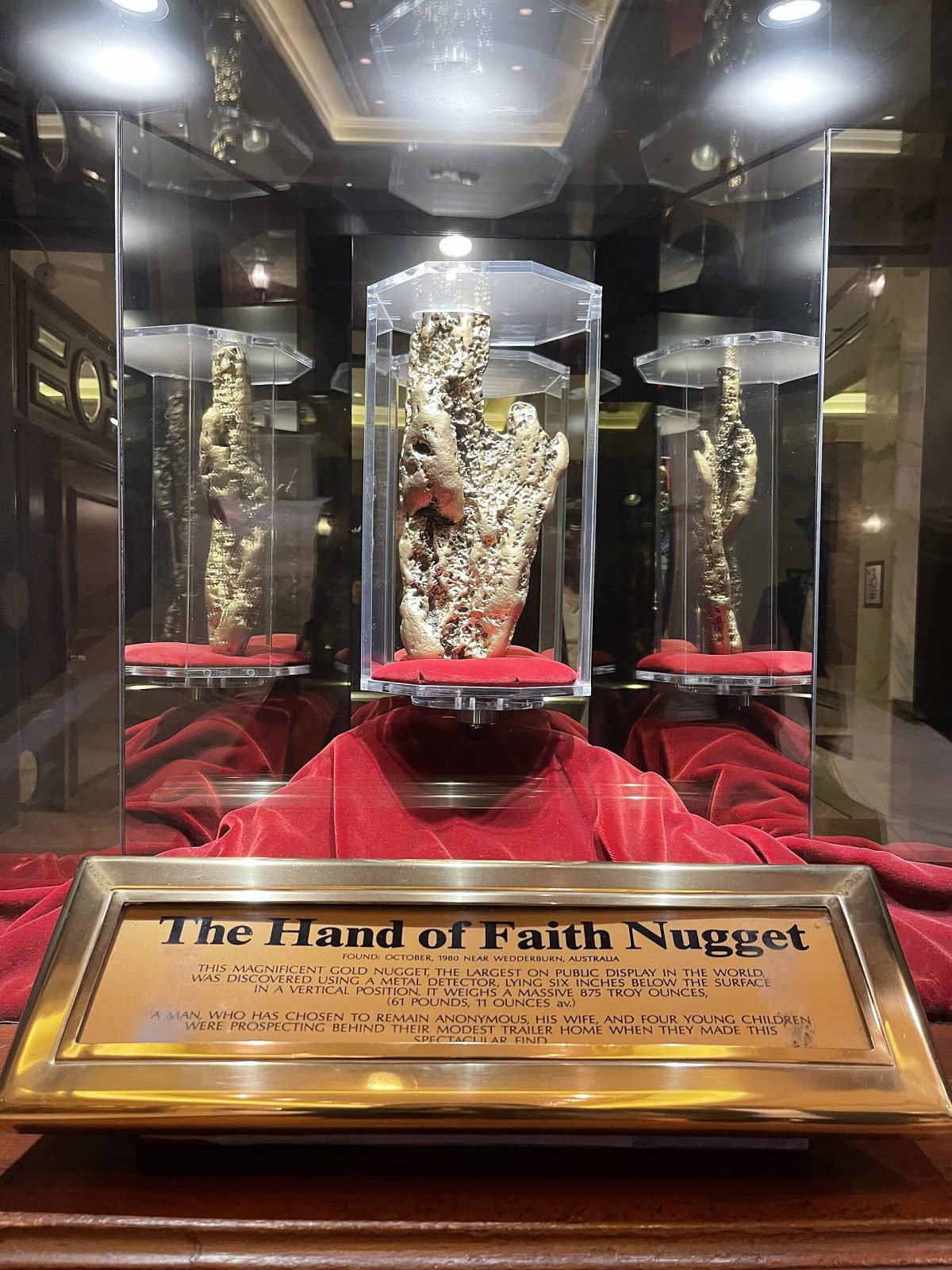
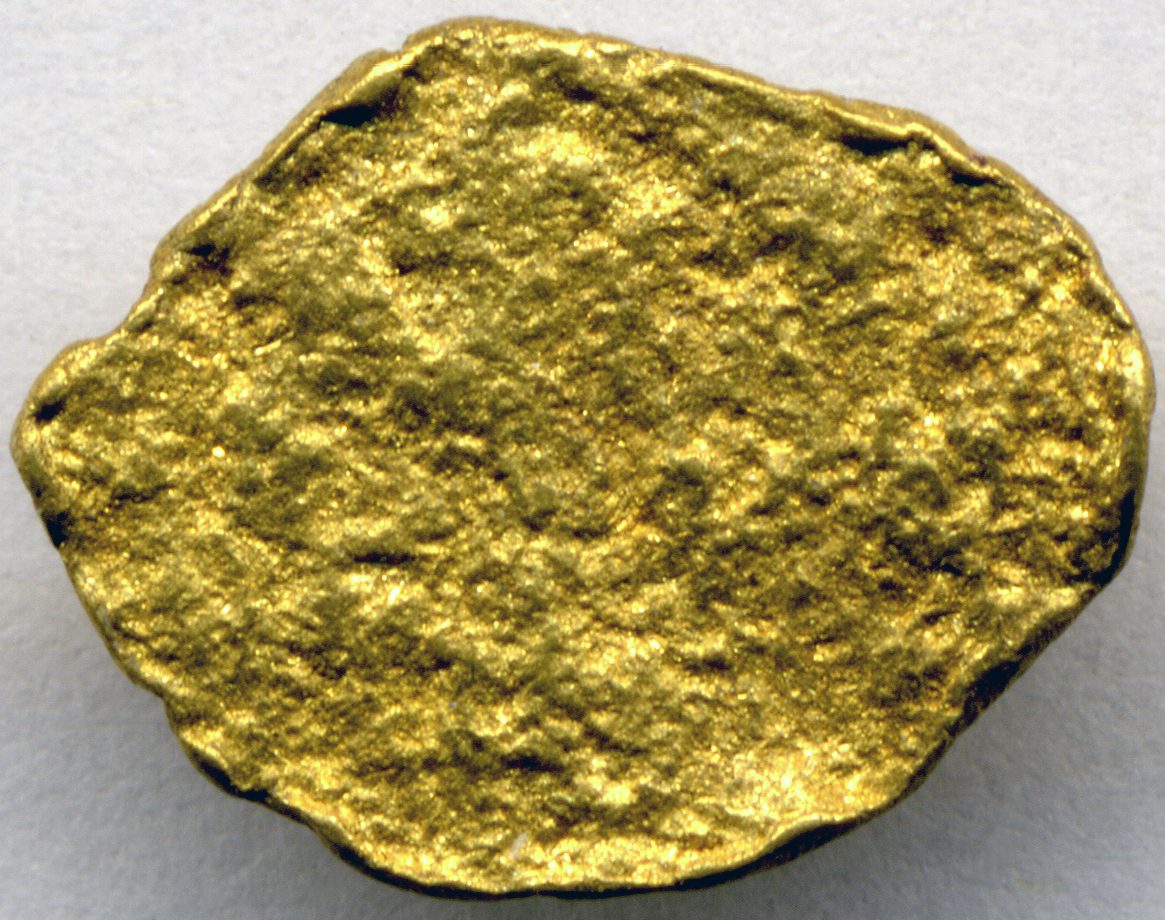
Reported by ABC News (Kristina Rosengren and Patrick Reincke, ABC Broken Hill, 26 October 2026). Written for Global Finds from that report. Photo: an Australian gold nugget of nearly four pounds on display at the Field Museum, Chicago (not the Tibooburra Spud), James St. John, Wikimedia Commons, CC BY 2.0.
Linked finds
Source: ABC News
Also reported by