Two "extremely rare" silver coins of Carausius, Britain's rebel Roman emperor, sell for £16,000
Struck AD 286 to 293 · Found in 2023 See it on the timeline →
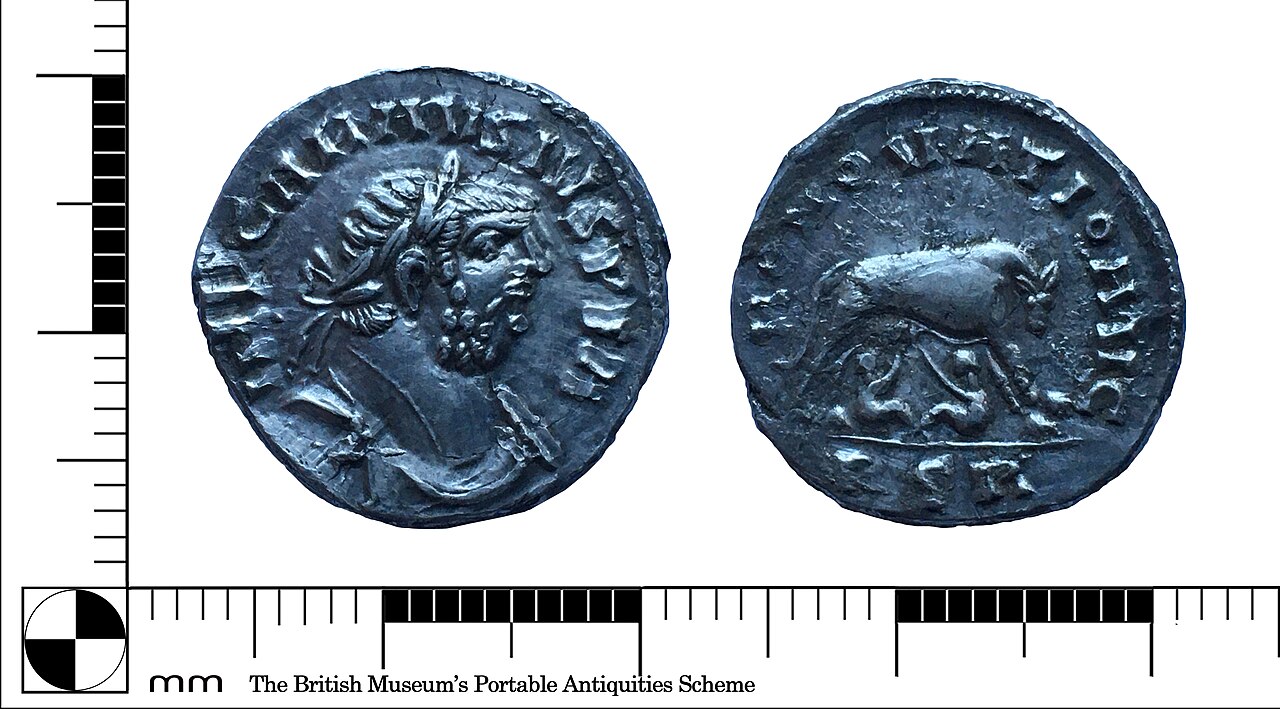
Two silver denarii of Carausius, the Roman commander who made himself emperor of Britain in AD 286, were found by a metal detectorist at Westbury-on-Severn in Gloucestershire in June 2023. They have now sold at auction for £16,000, well above their estimate.
Two Roman silver coins found by a metal detectorist in the village of Westbury-on-Severn, in the Forest of Dean district of Gloucestershire, have sold at auction for £16,000. The coins were discovered in June 2023, and the exact find spot has not been made public.
Both are silver denarii of Carausius, struck between AD 286 and 293. Stanley Gibbons Baldwin's, the London auction house that sold them, described them as "extremely rare". They had been expected to fetch around £10,000 between them. The first, estimated at £5,000 to £7,000, was described as "extremely fine", and the auctioneers praised the other for "an exceptional left-facing portrait of Carausius in superb style". One of the two fetched £6,000 more than expected.
Carausius is one of the most colourful figures in Roman Britain. He was a naval commander, put in charge of the fleet in the Channel to deal with pirates, who in 286 declared himself emperor and took control of Britain and part of northern Gaul. He ruled as a breakaway emperor for about seven years, until he was murdered in 293 by his own finance minister, Allectus, and Britain was recovered for the central empire three years later. Dominic Chorney, head of ancient coins at Stanley Gibbons Baldwin's, said that Carausius would have minted the coins himself. "Each one is a really important piece of economic history, propaganda and social history," he said.
That propaganda is the reason the coins matter. At a time when the official Roman coinage had been debased to little more than bronze washed with silver, Carausius issued coins of good silver, a statement that his rule meant a return to quality and prosperity. His coins carry slogans borrowed from Roman poetry and images of Rome's founders, and many were struck at a mint usually identified as London. His silver denarii are scarce, and well-preserved examples with a fine portrait are much sought after by collectors.
The BBC report does not say whether the coins went through the Treasure process before they were sold.
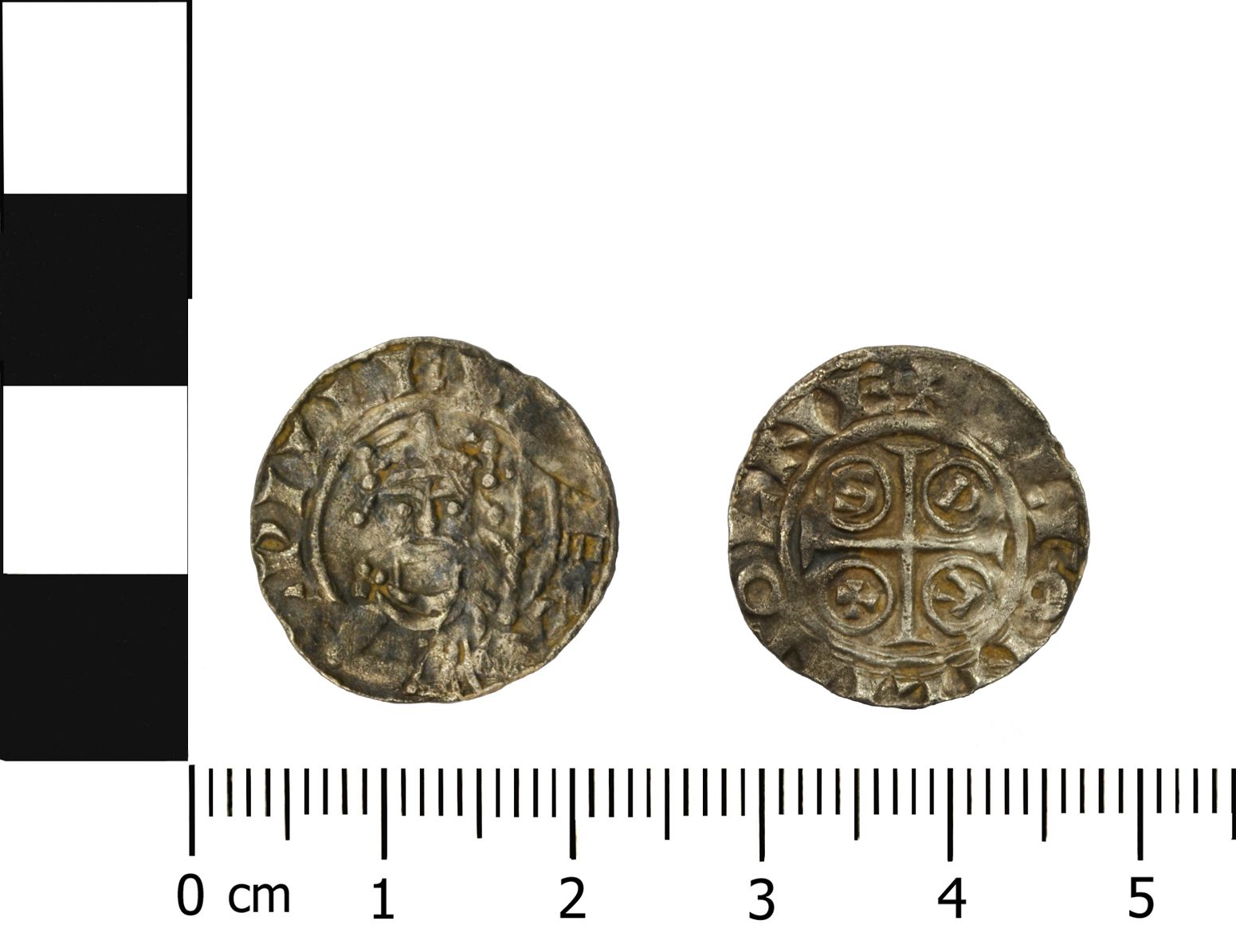
Reported by BBC News (October 2026). Written for Global Finds from that report. Photo: a comparable silver denarius of Carausius, with the wolf and twins on the reverse, recorded with the Portable Antiquities Scheme (not one of the Westbury coins), Derby Museums Trust, Maria Kneafsey, Wikimedia Commons, CC BY 2.0.
Linked finds
Source: BBC News
Also reported by