The Zuytdorp Coins: Dutch silver on a Western Australian clifftop that led to a lost VOC wreck
Famous find Coins struck in 1711; the ship was wrecked in 1712 · Found in 1927 See it on the timeline →
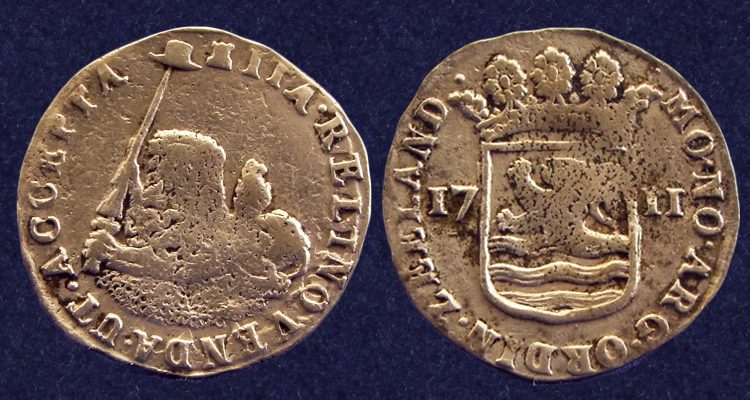
In 1926 and 1927 station families on the remote coast north of Kalbarri found silver coins dated 1711 on top of sheer cliffs. In 1954 stockman Tom Pepper led geologist Phillip Playford to the spot, and the wreck of the Dutch ship Zuytdorp, lost in 1712, was identified below.
In 1926 and 1927, members of the Mallard, Drage and Pepper families from Tamala Station, on the remote coast north of Kalbarri in Western Australia, found strange things on top of the sheer sea cliffs: silver coins, some dated 1711, broken bottles, ship's timber including a carved female figure, and the breech blocks of small swivel guns. Tom Pepper, the station's head stockman, whose wife Lurlie Mallard was Aboriginal, never forgot the place. In 1954 he guided the geologist Phillip Playford there, and Playford identified the wreckage as the Zuytdorp.
The Zuytdorp was a ship of the Dutch East India Company, the VOC, built in 1701 and 45 metres long. She left the Netherlands on 1 August 1711 carrying about 250,000 guilders in newly minted silver; 112 of the 286 people aboard died before she reached the Cape of Good Hope. After leaving the Cape in April 1712 she was never seen again. She was wrecked at the foot of the cliffs that now bear her name, probably in the middle of 1712, with the loss of some 200 lives.
In 1964 the divers Tom Brady, Graham Cramer and Max Cramer reached the wreck through dangerous surf, and divers found the seabed carpeted with silver coins. Salvage and Western Australian Museum excavations followed, but looters stripped much of the site, and by 1986 the silver had all but disappeared. The clifftop finds suggest that some of the crew reached the shore. Playford argued that survivors may have lived among Aboriginal people, pointing to a rare inherited blood disorder, but that theory remains unproven.
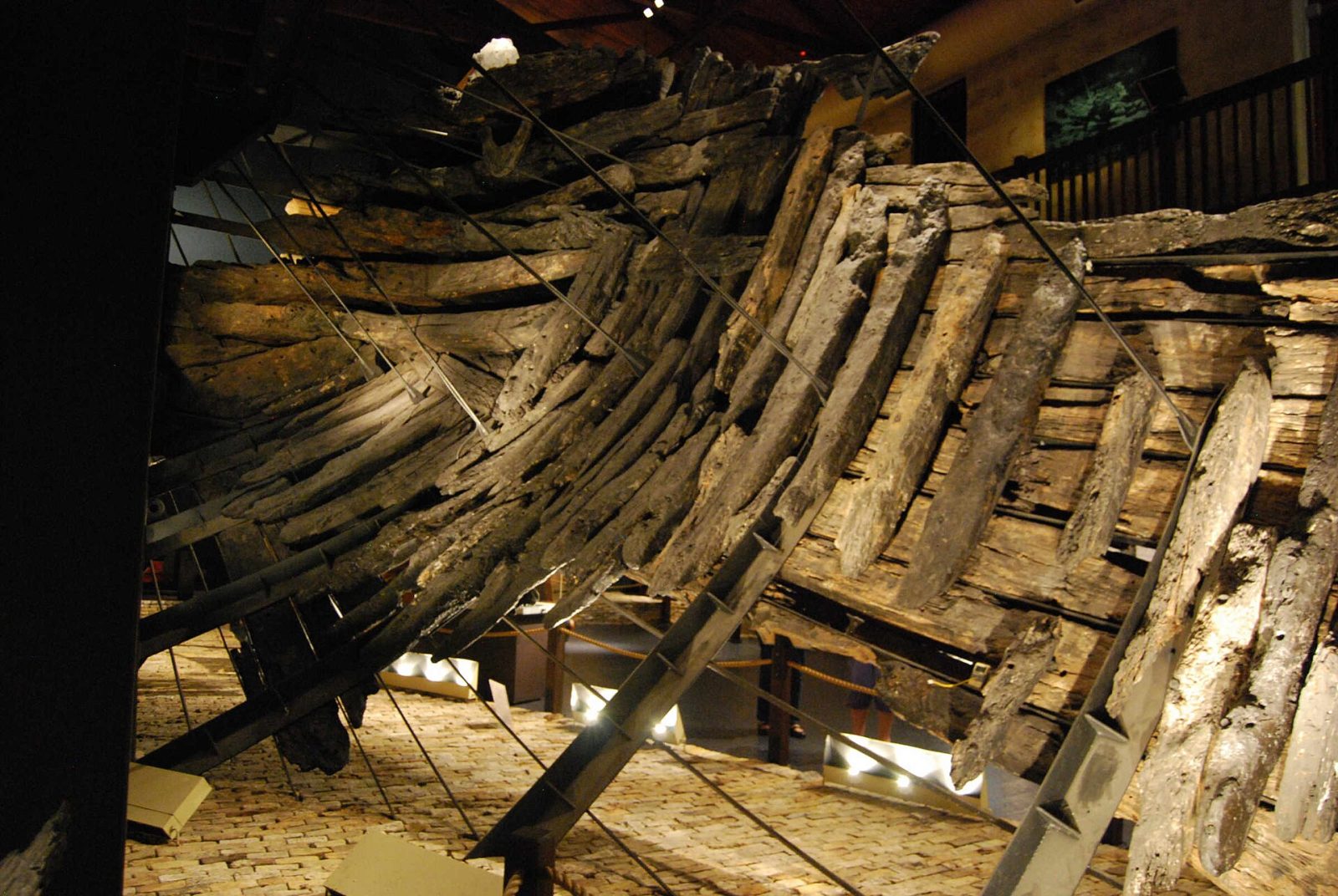
The Western Australian Museum holds the coins and other finds from the wreck, and Zuytdorp material is displayed in the Shipwrecks Gallery of the Museum of Geraldton. The wreck site lies inside a permit-only protected zone.
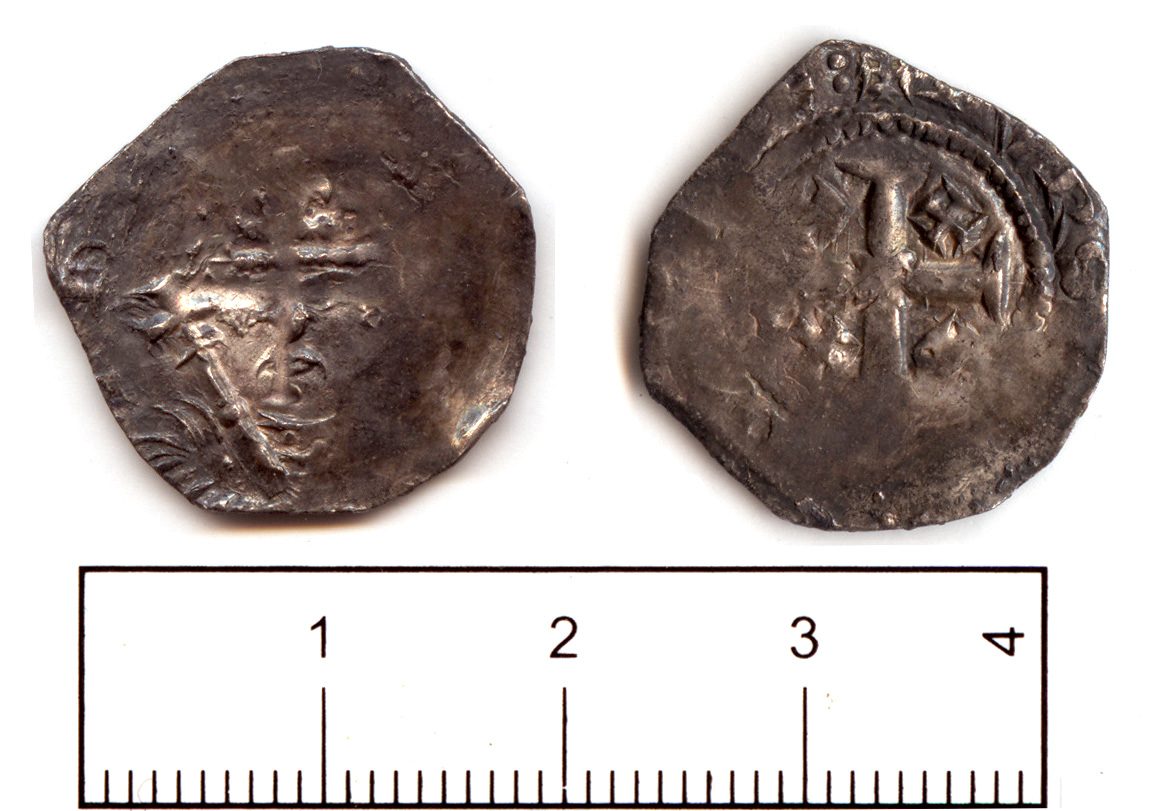
Written for Global Finds from the Western Australian Museum, the Dutch Maritime Stepping Stones register (Cultural Heritage Agency of the Netherlands) and the Underwater Cultural Heritage Act 2018. Photo: a Zeeland six-stuiver coin of 1711, said by its uploader to have been recovered from the Zuytdorp, Numisantica, Wikimedia Commons, CC BY-SA 3.0 nl.
Approximate location-27.19, 113.94View on map
Source: Western Australian Museum