The Mtambwe Hoard: coins picked up by islanders on Pemba led to a merchant's fortune and East Africa's earliest silver money
Famous find 11th century AD, buried in or after 1066 · Found in 1984 See it on the timeline →
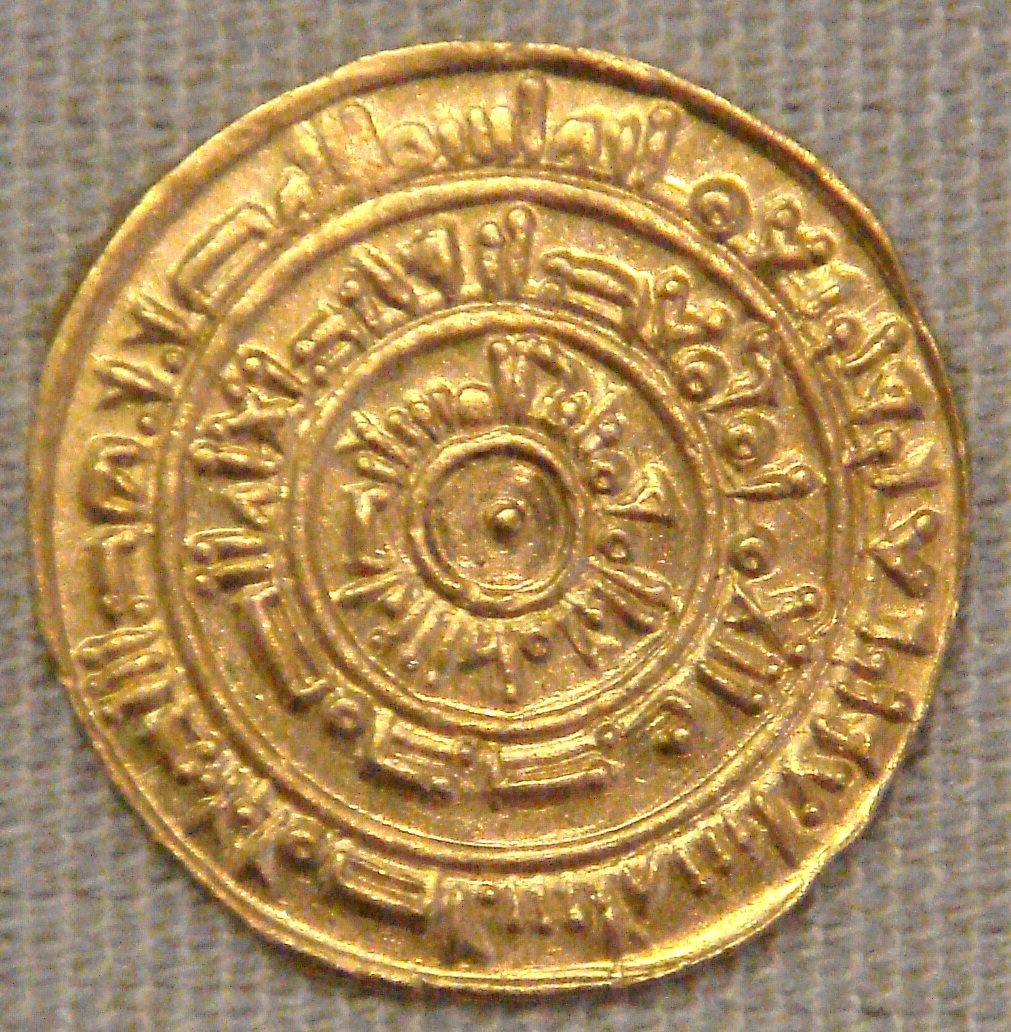
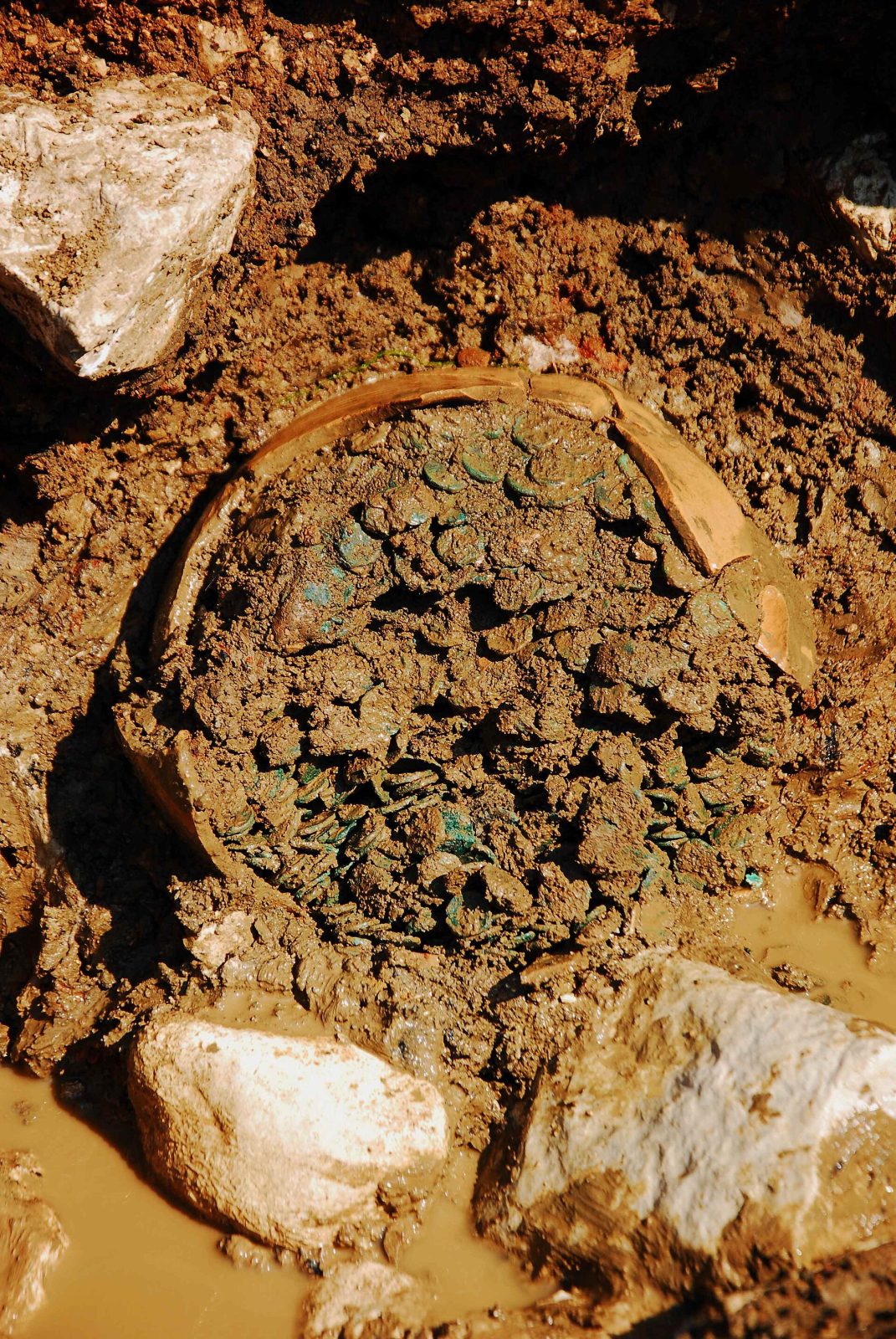
In December 1984 coins picked up by local people on Mtambwe Mkuu, an islet off Pemba in Tanzania, led archaeologists to a hoard under a house floor. It held about 650 silver coins struck in East Africa and eight gold dinars from the Fatimid world, hidden after 1066.
Mtambwe Mkuu is a small island off the north-west coast of Pemba, in the Zanzibar archipelago of Tanzania. A thousand years ago it was a Swahili trading town. By the 1980s local people had been picking up old coins there for some time, and accounts of the dig say it was they who showed the archaeologists where to look. The hoard came to light in December 1984 and was fully excavated in December 1985 by a team led by the British archaeologist Mark Horton.
It had been buried under the earth floor of a modest house. The excavators recovered about 650 silver coins and eight of gold, and hundreds more coins have been picked up on the surface over the years; published counts vary. The gold pieces are dinars, all but one of them coins of the Fatimid caliphs, who ruled Egypt and North Africa, or local copies of them. One is Abbasid. The silver was the real surprise. It belonged to a series nobody had seen before, struck in East Africa in the 11th century, with a ruler's name on one side and a pious Islamic phrase on the other. Some of the names match rulers listed in the Kilwa Chronicle.
The latest gold coin was struck in 1066, so the hoard went into the ground in or after that year. Nobody knows who owned it or why it was never recovered, but a merchant's savings is the usual reading. The gold had come more than 4,000 km from the Mediterranean world, carried by the trade that the monsoon winds made possible along the coast. The silver showed that Swahili rulers were minting their own coins earlier than had been thought, and it changed how Swahili coinage is dated.
The coins were cleaned and studied at the Ashmolean Museum in Oxford and published by Horton, Brown and Oddy in the journal Azania in 1986. The published sources do not say where the hoard is kept today.
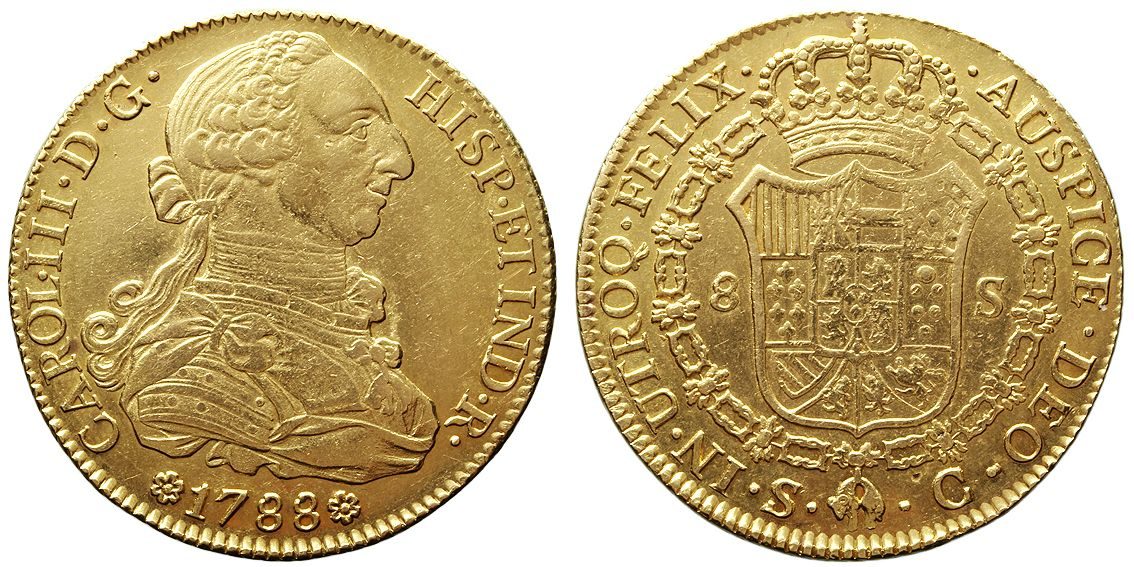
Written for Global Finds from Horton, Brown and Oddy, "The Mtambwe hoard", Azania (1986), LaViolette and Wynne-Jones (eds), The Swahili World, via African History Extra, and other published accounts of the excavation. Photo: a gold dinar of the Fatimid caliph al-Mustansir, struck in Egypt in 1055, of the kind found in the hoard (not a Mtambwe coin), PHGCOM, Wikimedia Commons, public domain.
Linked finds
Source: African History Extra