The Redfield Hoard: a Reno recluse kept 407,596 silver dollars at home, and the sale that followed ended up in the courts
Famous find Silver dollars dated 1878 to 1935 · Found in 1974 See it on the timeline →
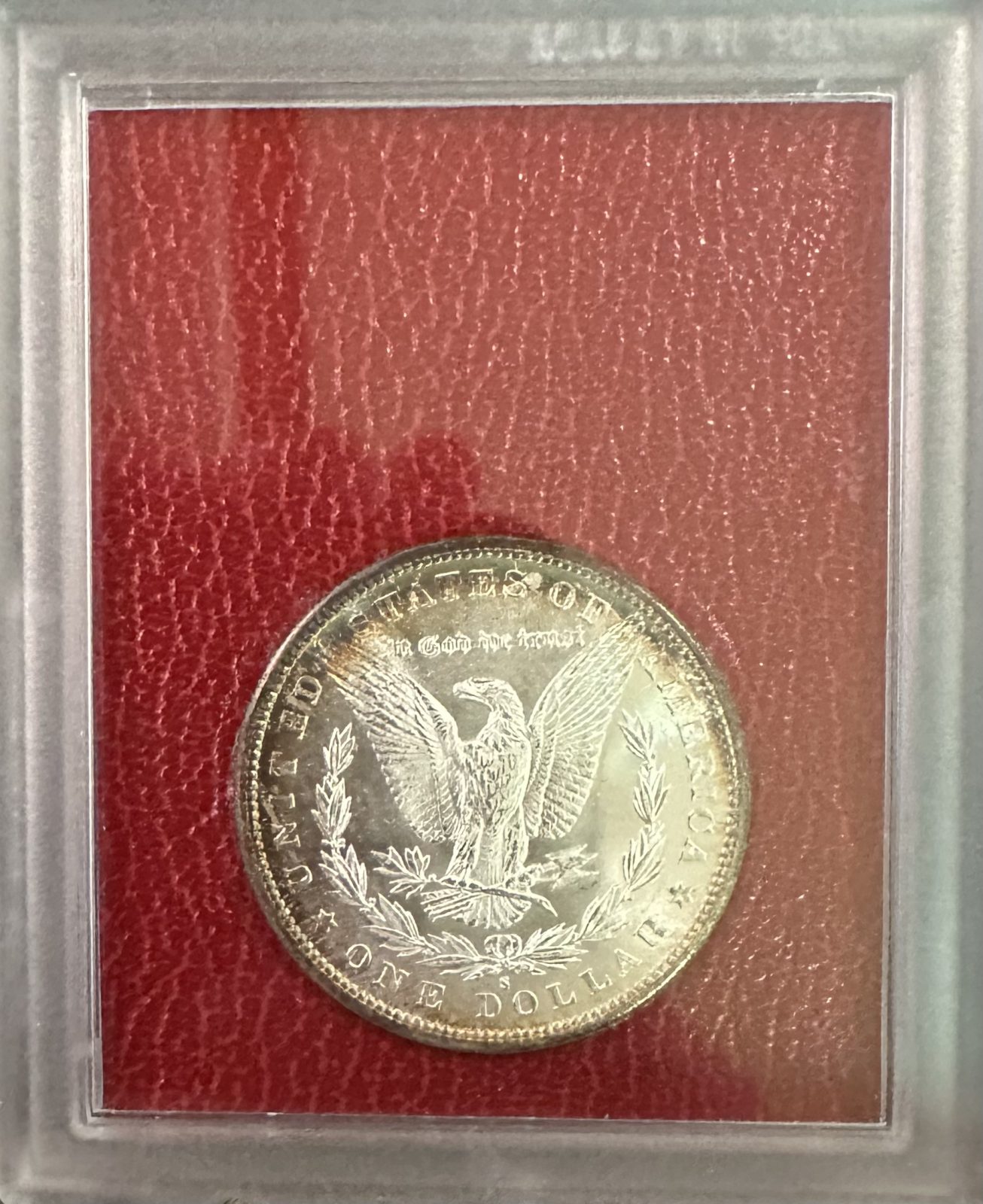
When the Reno investor LaVere Redfield died in 1974, his home and garage held 407,596 silver dollars. A probate court auctioned them in 1976 for $7.3 million, sold unseen by the bidders, and the winning company then went to court to try to escape the sale.
LaVere Redfield was a wealthy Reno investor and a very private man, widely said to have distrusted banks. When he died in 1974, his estate went through the probate court in Washoe County, Nevada, and the extent of his secret became clear. Silver dollars were stored at his home and in his garage. Accounts of the hiding places vary, from the basement to a coal chute and a false wall. The estate hired the coin firm Stack's to appraise them.
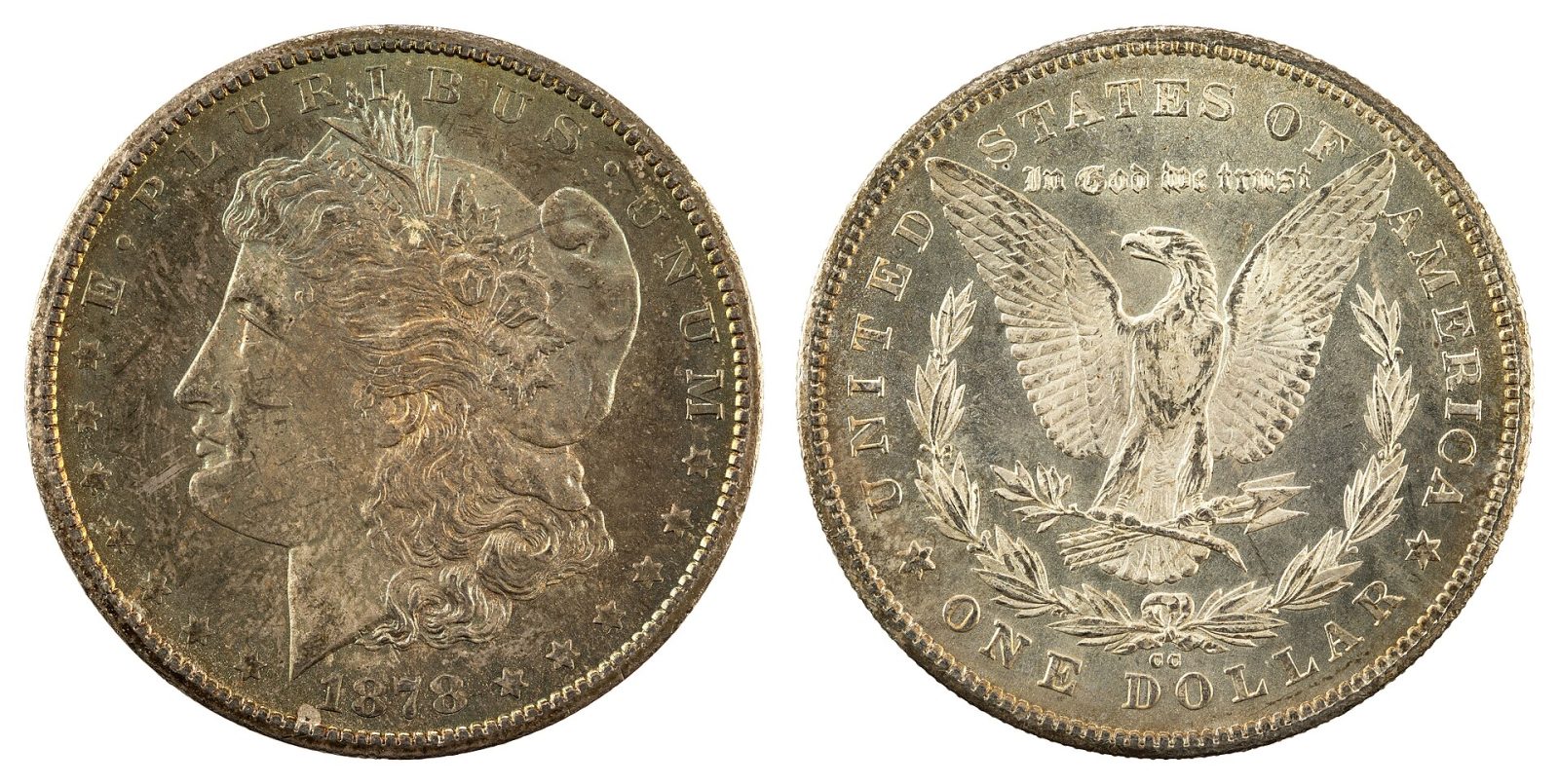
The court record gives the total as 351,259 uncirculated and 56,337 circulated dollars, 407,596 in all, appraised at about $5 million. That is about 11 tonnes of coin. They were Morgan and Peace dollars, dated from 1878 to 1935, but a full list of the contents was never published.
Redfield had been in the news before. In February 1952 he told the court that burglars had carried off a 400-pound safe from his house, using a ham hock to quiet the dog and soap to slide the safe. TIME magazine reported that it was said to hold $250,000 in cash, about $100,000 in jewels and $2 million in securities. The person convicted of planning it was jailed for five years, and most of the loot was recovered. In 1960 a jury found Redfield guilty on six of eight tax charges, after he had conducted his own defence.
The sale was a drama of its own. In November 1975 the court allowed a private sale, and the dealer A-Mark contracted to pay $5,910,142. Ten days before closing, two rival firms offered $6,501,156, and the sale was annulled. On 27 January 1976 the coins were put to public bidding in probate court. Because the court had withheld the inventory, only two men bid, Steven Markoff of A-Mark and James Ruddy, who called it "an expensive grab bag". A-Mark won at $7.3 million, $1,389,858 more than its first contract. It then appealed against its own winning purchase, and in 1978 it lost. A later claim against rival bidders failed too. A-Mark sold the coins gradually, many in holders from the dealer Paramount, and the last few thousand went to another firm in 1988. The hoard is now dispersed among collectors.
Written for Global Finds from A-Mark v. Estate of Redfield (Supreme Court of Nevada, 1978), A-Mark v. General Mills (1983), Coin World (1976), TIME (1952), The E-Sylum and CoinWeek. Photo: the reverse of an 1880 San Francisco Morgan dollar from the Redfield Hoard, in a red Paramount holder, Bruxton, Wikimedia Commons, CC0.
Related guide: Choosing your first metal detector
Source: A-Mark v. Estate of Redfield, Supreme Court of Nevada (1978)