The Great Kentucky Hoard: a farmer picked up a half dollar in a ploughed field, then saw the edge of a gold coin
Famous find Coins dated 1840 to 1863 · Found in 2023 See it on the timeline →
In about 2023 an unnamed Kentucky farmer walking a ploughed field found a silver half dollar and then the edge of a gold coin. He uncovered more than 700 Civil War-era gold coins, and experts certified them as genuine. Neither the farmer nor the field has ever been named.
Some time before June 2023, a Kentucky farmer was walking a field after ploughing, as he had done for years. He told KET, Kentucky's public television network, that he found his first coin there at the age of nine. This time he picked up an 1856 silver half dollar. Then, 20 or 30 feet away, he saw the edge of something gold. It was a $20 double eagle from the 1860s. For the next 45 minutes to an hour he turned over the soil. "I knew it was hundreds," he said. In a phone video of about 20 seconds, he can be heard saying, "This is the most insane thing ever."
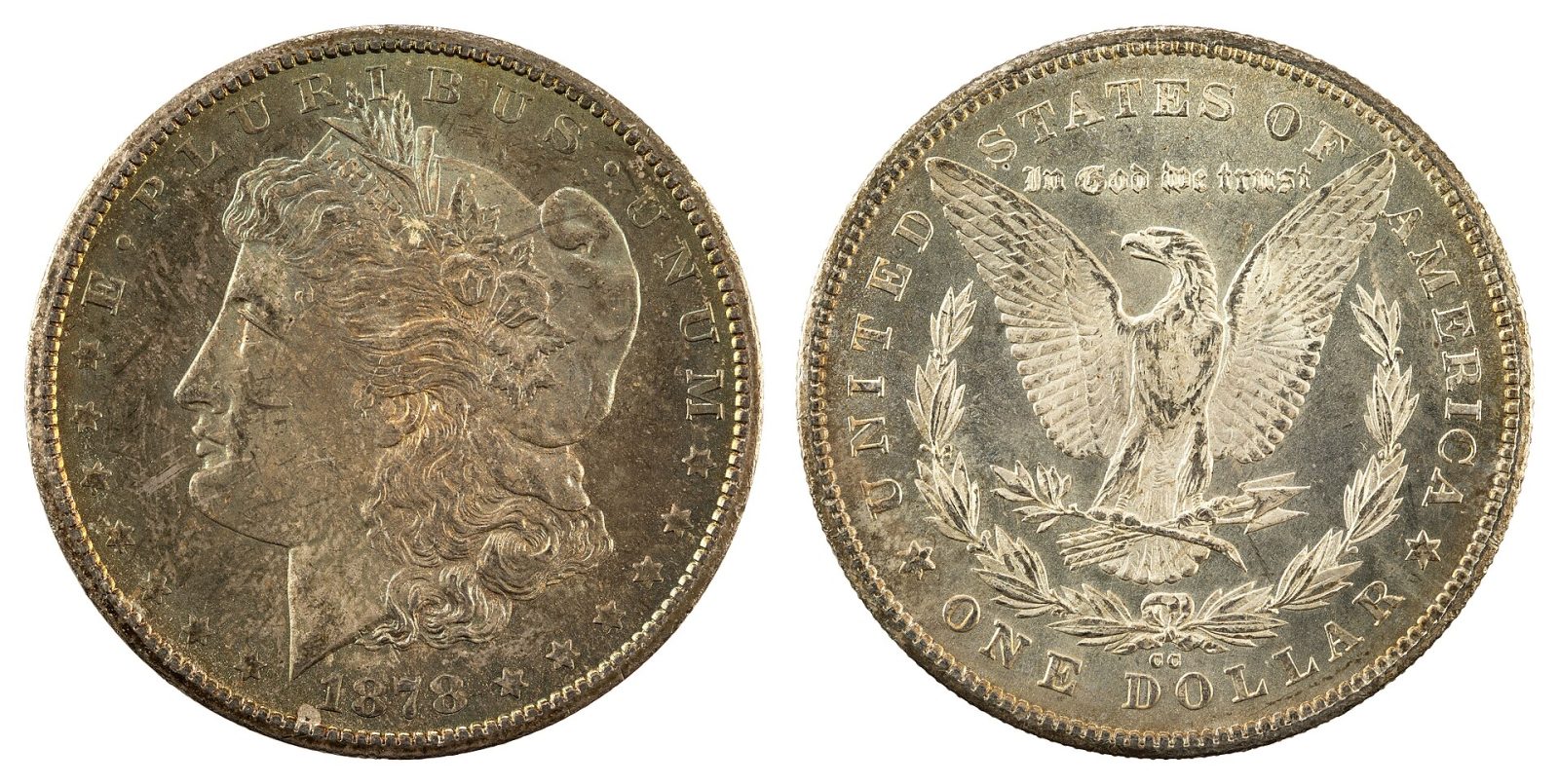
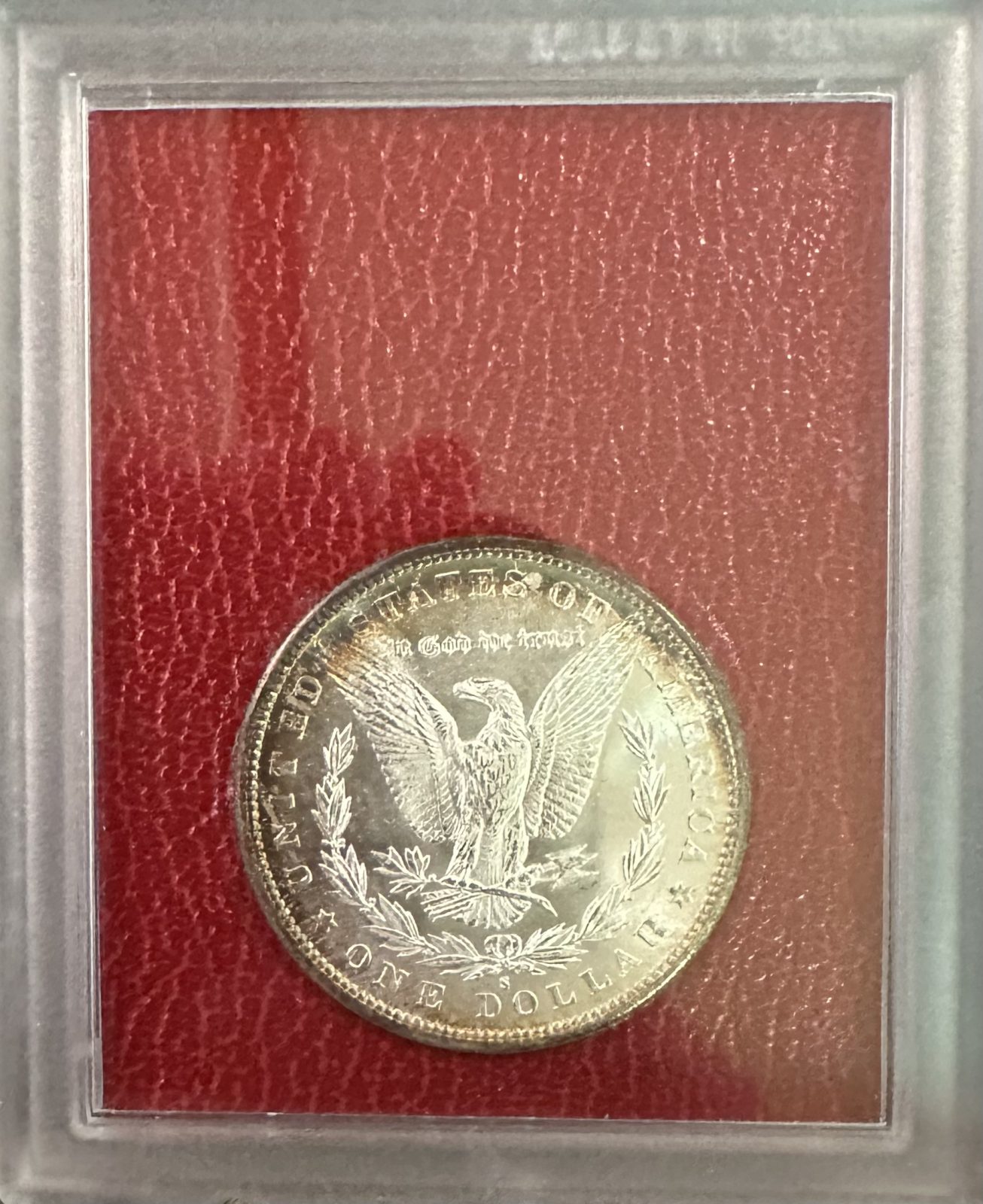
The total is usually given as more than 700 gold coins, or over 800 with the silver. Most were gold dollars dated 1850 to 1862, some from the Dahlonega Mint in Georgia. There were also about 20 $10 coins, eight $20 coins and 18 double eagles struck at Philadelphia in 1863, which the grading company NGC calls the finest known. Those 1863 coins are too early to carry the motto "In God We Trust". Among the rarities were three 1862 doubled-die dollars and a previously unknown variety of 1862 dollar. One coin that the farmer kept shows the faint imprint of a burlap bag.
Nobody knows who buried it. Kentucky was a divided border state in the Civil War, and the people KET interviewed offered several theories, from a landowner's safekeeping to stolen money in the years of John Hunt Morgan's raids. The conflict archaeologist Ryan McNutt has said that this is speculation, because the location is unknown. The coins are certified as genuine, but the story of the find rests on the farmer alone. One numismatic newsletter has even described the finder as a detectorist, which doesn't match what he told KET.
Lexington dealer Jeff Garrett handled the coins. They were conserved and graded by NGC's group, which announced them in June 2023, and GovMint sold them to collectors. NGC's Andy Salzberg said that the value exceeded $2 million, and other reports say over $3 million. The sale total is not public. No museum holds the hoard, though the farmer kept a few coins.
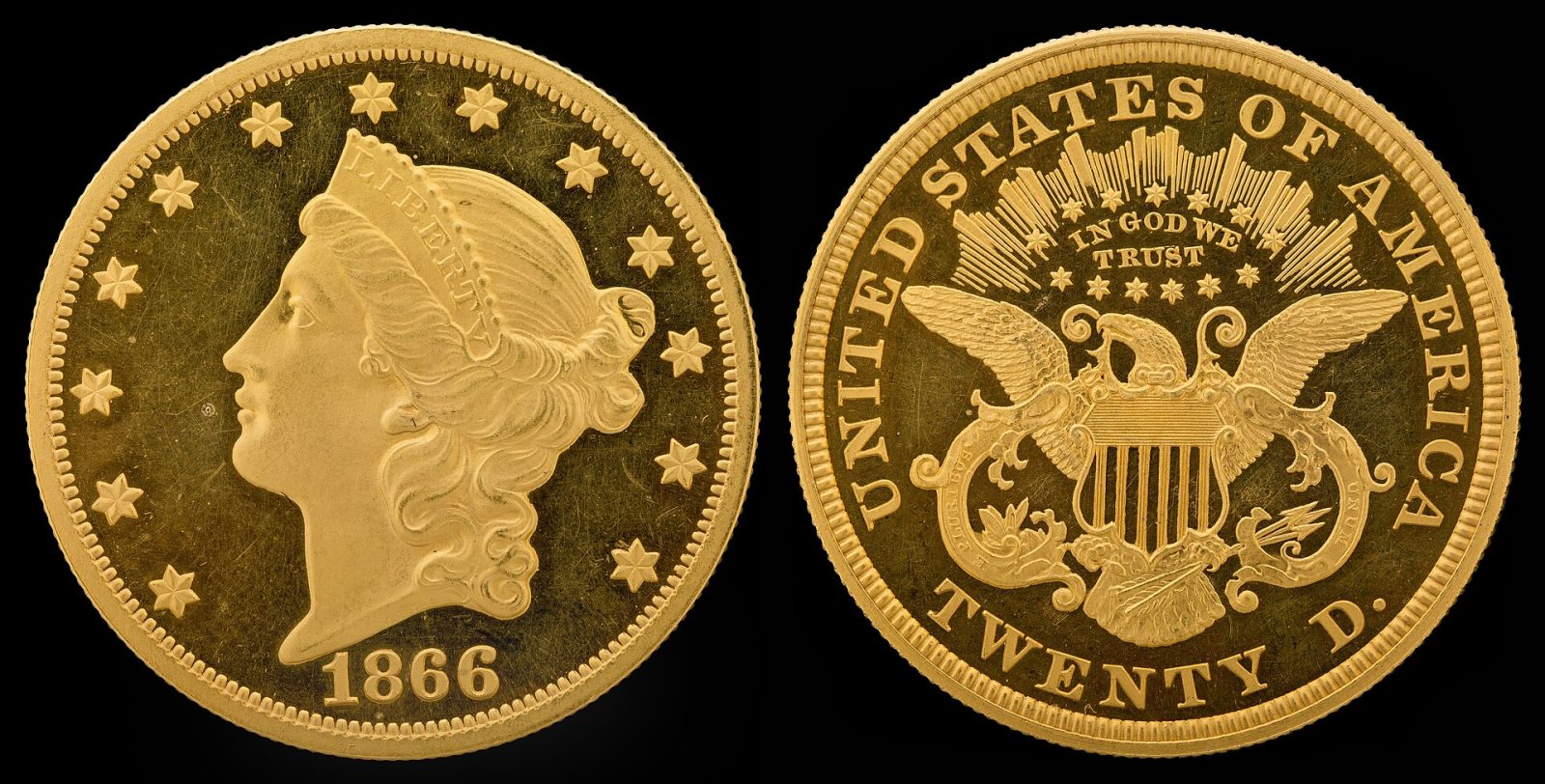
Written for Global Finds from NGC, KET, the Lexington Herald-Leader, Spectrum News, Fox News and The E-Sylum. Photo: an 1866 double eagle, which has the motto that the hoard's 1863 coins lack (not from this find), US Mint, National Numismatic Collection, Jaclyn Nash, Wikimedia Commons, public domain.
Related guide: Permission to detect: who to ask, and what to agree