The Hallaton Treasure: an Iron Age shrine full of coins, with a Roman helmet
Famous find Mostly buried in the AD 40s · Found in 2000 See it on the timeline →
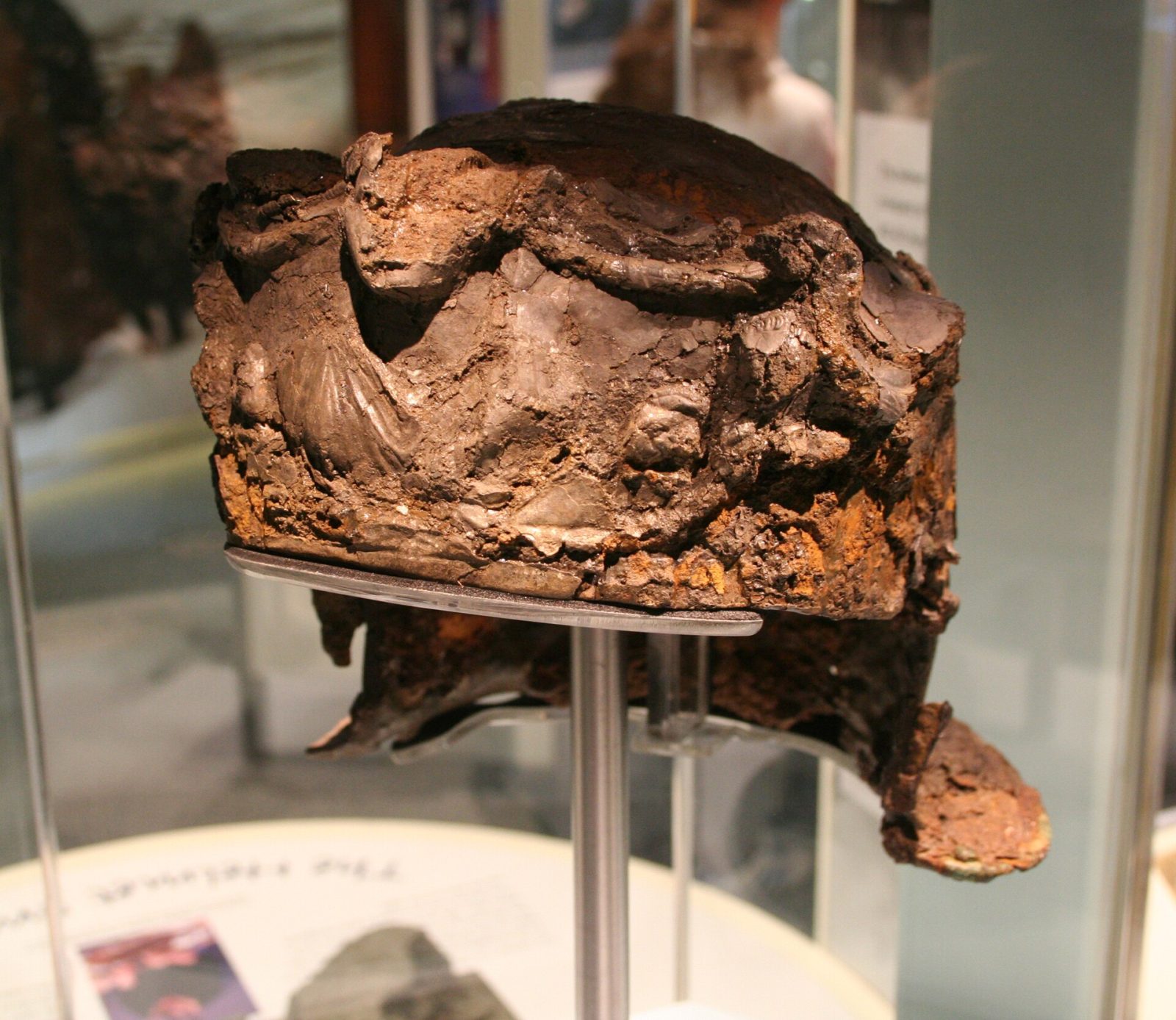
In 2000 a detectorist with a local fieldwork group found Iron Age coins on a Leicestershire hilltop. Excavation revealed an open-air shrine with more than 5,000 coins, silver and a Roman cavalry helmet.
In November 2000, Ken Wallace, a metal detectorist and member of the Hallaton Fieldwork Group, found Iron Age coins on a hilltop near the village of Hallaton in south-east Leicestershire. Rather than dig on, the group reported the find, and University of Leicester Archaeological Services excavated the site between 2001 and 2005 with the help of local volunteers.
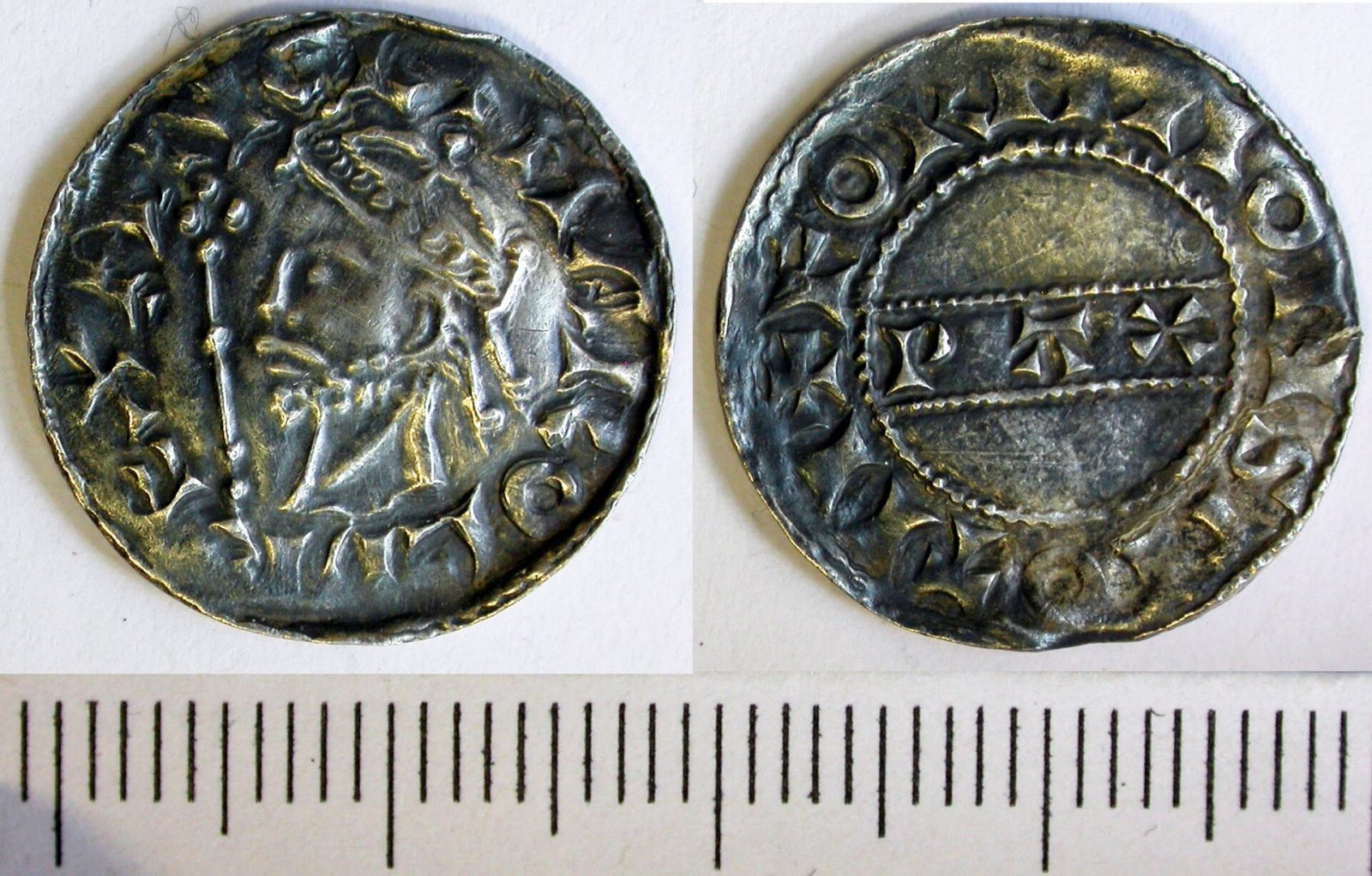
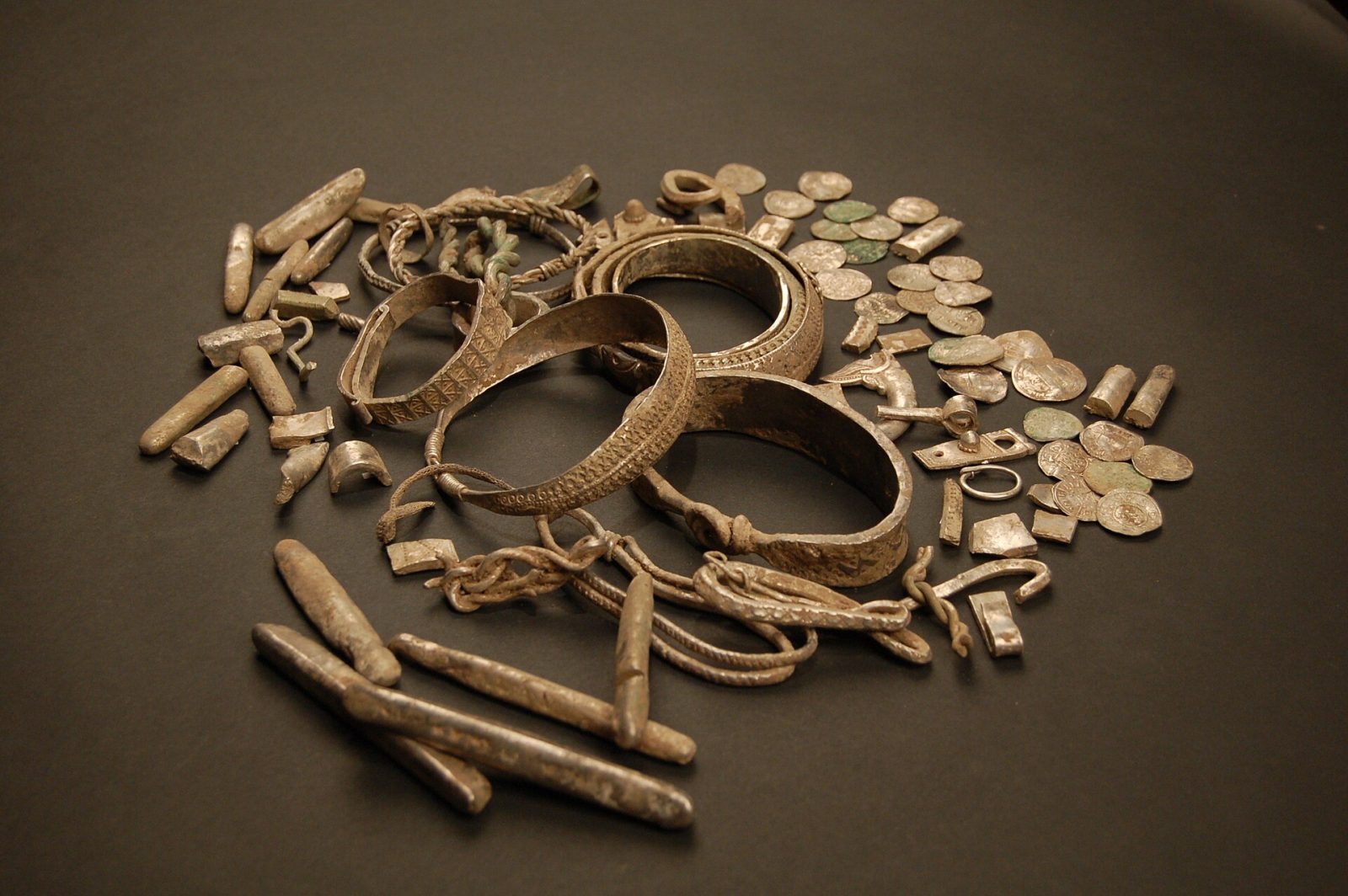
The hilltop turned out to be an open-air shrine, marked by a ditch and a palisade but with no building. Around its entrance were 14 separate deposits of coins. In all the site produced more than 5,000 coins, most of them Iron Age coins of the Corieltauvi, the people of this part of the East Midlands, along with a few hundred Roman coins, silver ingots, a silver bowl, brooch fragments and a Roman cavalry helmet. Thousands of animal bones, nearly all from pigs, are the remains of feasts, and a dog had been buried at the entrance.
The coins were mostly struck in the early 1st century AD, and most were deposited around the AD 40s, the years of the Roman conquest. The helmet, of iron covered with gilded silver, came out of the ground in pieces and was lifted in a block of plaster. It took the British Museum's conservators years to rebuild. One of its cheekpieces shows a Roman emperor on horseback being crowned by the goddess Victory, with a defeated barbarian beneath his horse. How a Roman helmet came to be offered at a British shrine is one of the site's mysteries, and the date of the helmet itself is debated.
The find was declared Treasure, and the Harborough Museum in Market Harborough acquired it with major support from the Heritage Lottery Fund and the Art Fund among others. The treasure has been on display there since 2009, and the restored helmet joined it in 2012.
Written for Global Finds from the Harborough Museum, Current Archaeology and other published accounts. Photo: the Hallaton Helmet in the Harborough Museum, Prioryman, Wikimedia Commons, CC BY-SA 4.0.
Approximate location52.56, -0.85View on map
Source: Harborough Museum