The Chew Valley Hoard: 2,584 silver pennies from the years of the Norman Conquest
Famous find Struck 1066 to 1068 · Found in 2019 See it on the timeline →
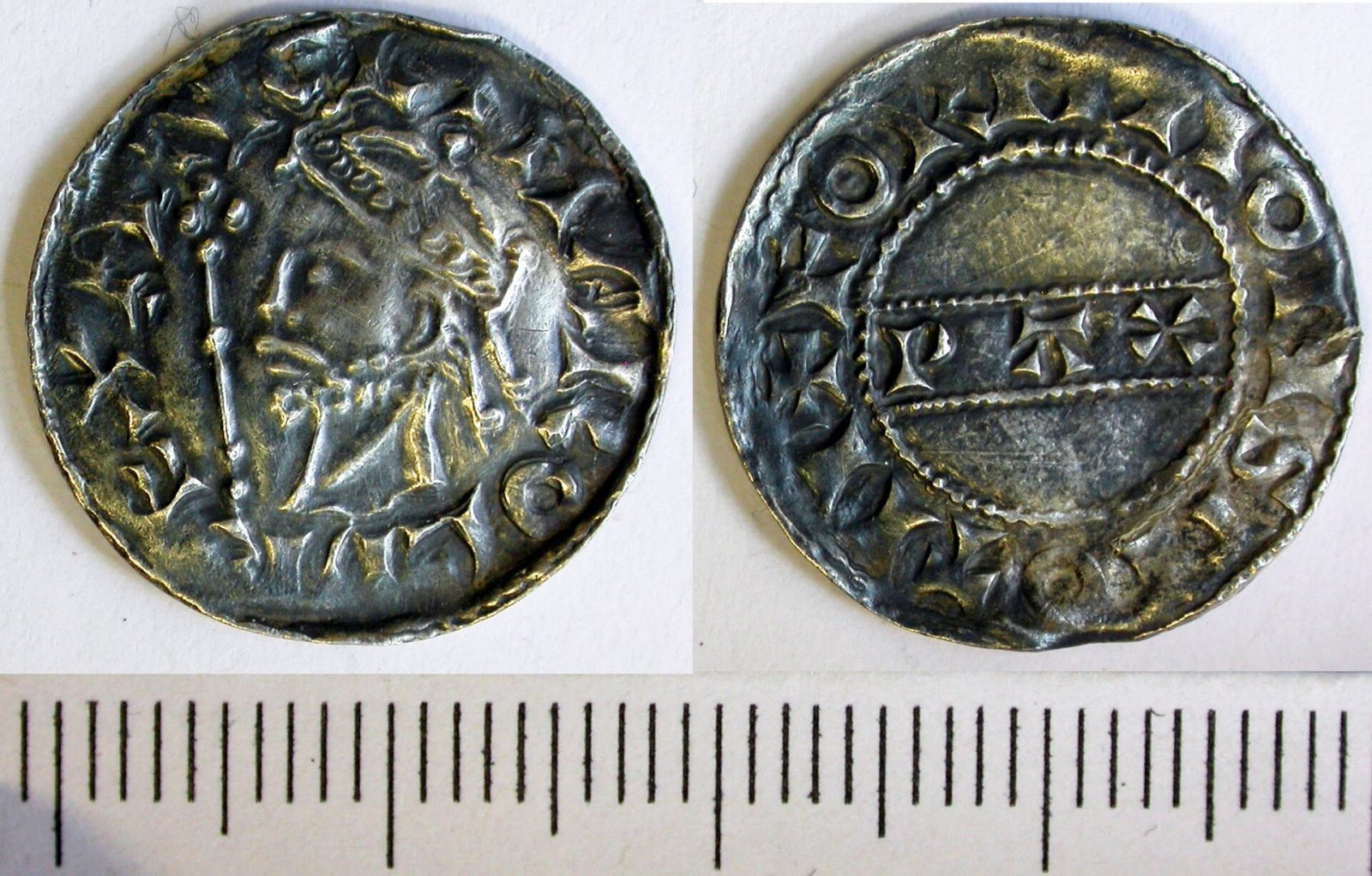
In January 2019 a group of detectorists in Somerset found thousands of silver pennies of Harold II and William the Conqueror. Valued at £4.3 million, it is the most valuable Treasure find on record.
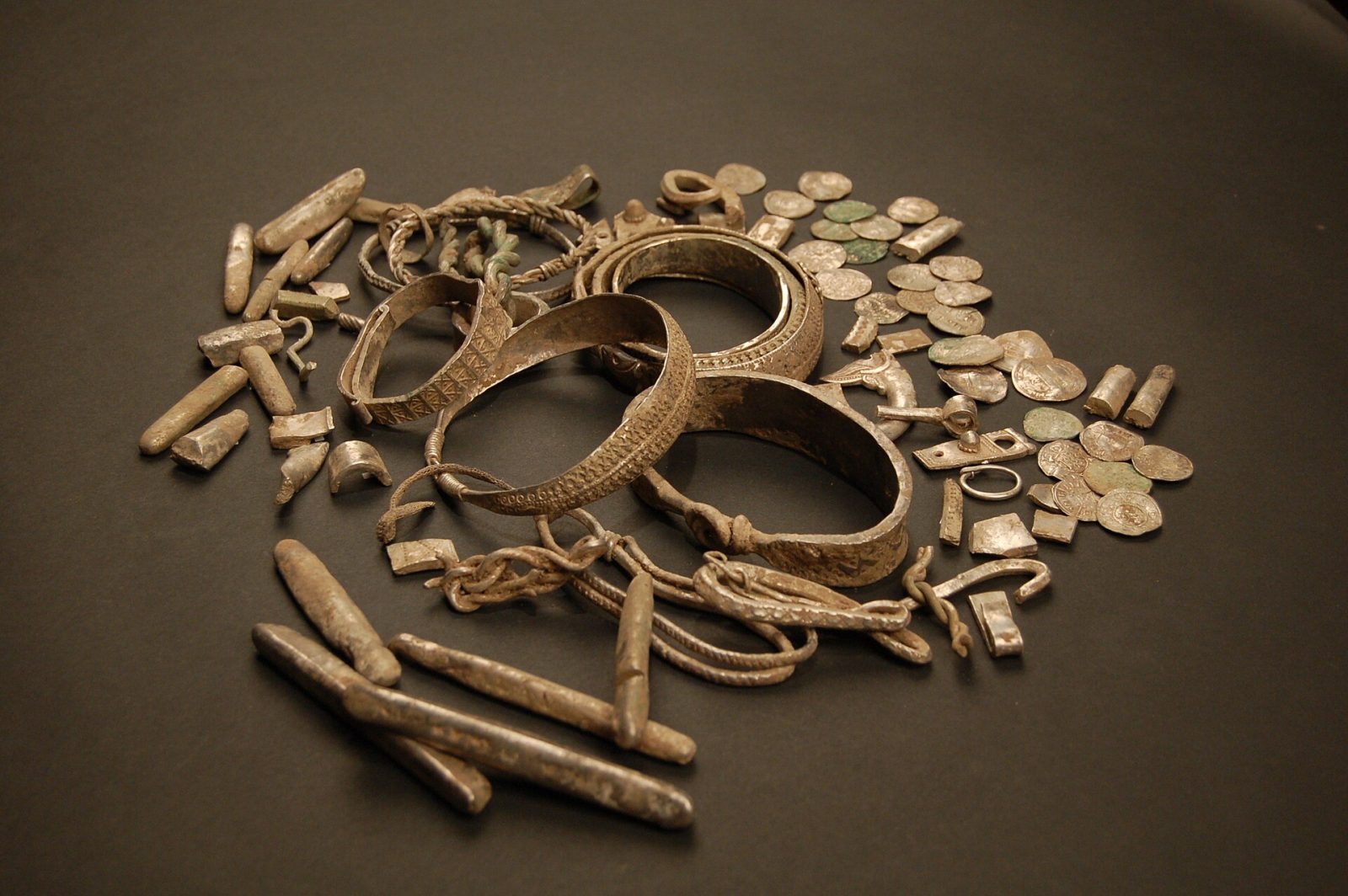
On 26 January 2019, Adam Staples and Lisa Grace were leading a small group of friends on a detecting weekend in the Chew Valley in Somerset when one of the group found a silver penny of William the Conqueror. Searching around it, they recovered a hoard of silver pennies that the plough had scattered across a small area of the field.
The hoard was first reported as about 2,528 coins and is now counted at 2,584 silver pennies, along with cut halfpennies. Roughly half were struck for Harold II, the king killed at Hastings in 1066, and half for William I in the first years of his reign. There are more coins of Harold in this one hoard than in all earlier finds put together. They come from dozens of mints across England, including some never recorded before. The hoard was probably buried in about 1067 or 1068, a time of rebellion in the south-west, though why its owner never came back for it is unknown.
Among the coins are the first known mules combining a design of Harold with one of William: coins struck using an old die for one side to avoid paying for a new one. The British Museum has described them as an early example of tax evasion.
The hoard was declared Treasure and, after a long valuation process, valued at £4.3 million, the highest ever for a Treasure find. In October 2024 the South West Heritage Trust bought it with a grant of more than £4.4 million from the National Lottery Heritage Fund and £150,000 from the Art Fund. Half the reward went to the landowner. The finders had agreed beforehand to share their half equally among the whole group.
The hoard went on display at the British Museum in November 2024 before touring. It is planned to go on show at the Roman Baths in Bath in early 2027 and then in a permanent gallery at the Museum of Somerset in Taunton.
Written for Global Finds from the National Lottery Heritage Fund, the BBC, Somerset Council and other published accounts. Photo: a penny of Harold II of the same Pax type, struck at Nottingham and recorded with the Portable Antiquities Scheme, not from the Chew Valley Hoard, Derby Museums Trust / Anja Rohde, Wikimedia Commons, CC BY-SA 4.0.
Approximate location51.35, -2.62View on map
Source: National Lottery Heritage Fund