The Bredon Hill Hoard: 3,784 Roman coins and a puzzle about when they were buried
Famous find Coins of AD 244 to 282, buried about AD 355 to 361 · Found in 2011 See it on the timeline →
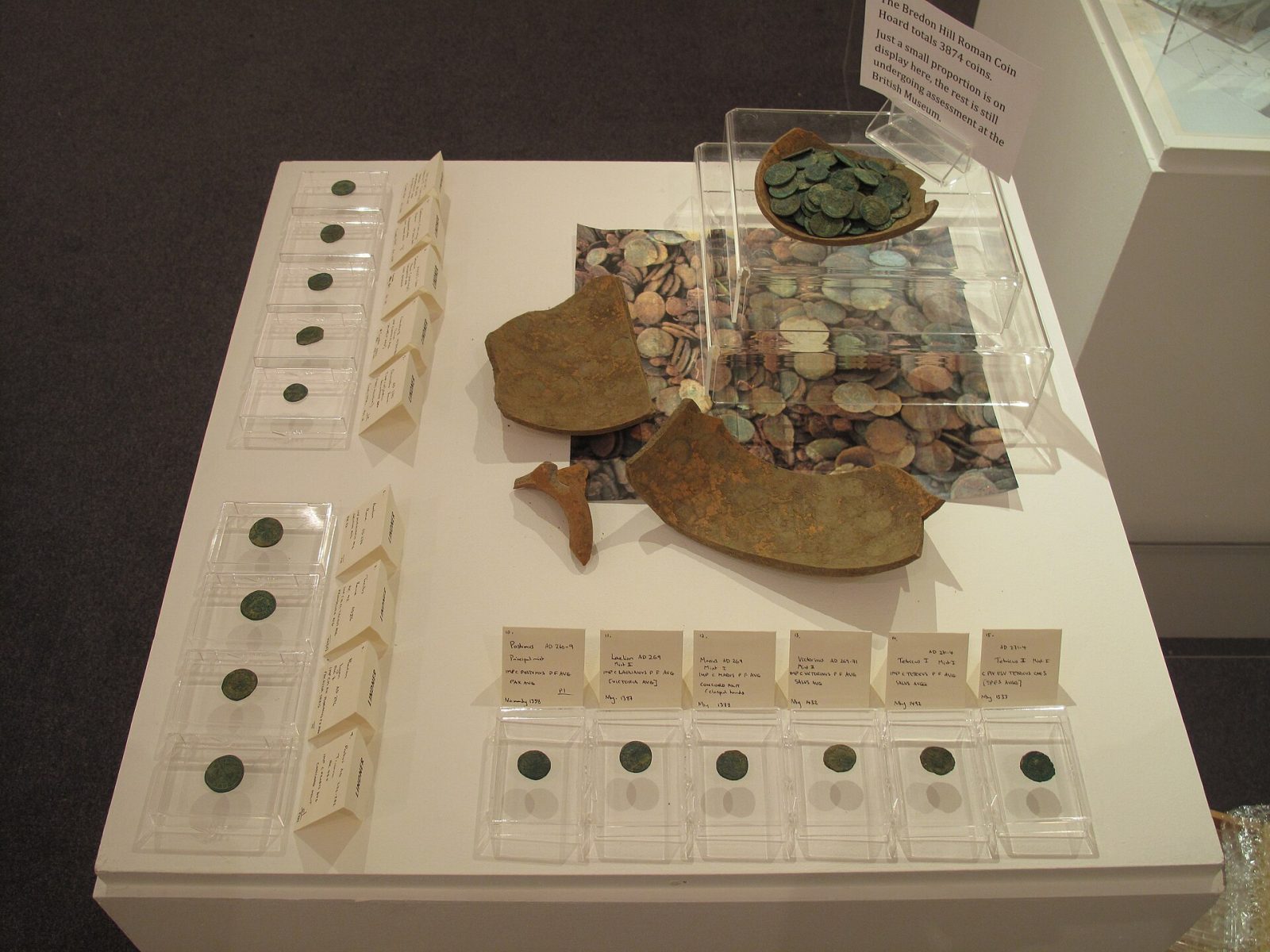
In June 2011 two detectorists from Redditch found a pot of 3,784 Roman coins in the ruins of a Roman building on Bredon Hill in Worcestershire. The excavation that followed showed the hoard may have been buried a century after its latest coin was struck.
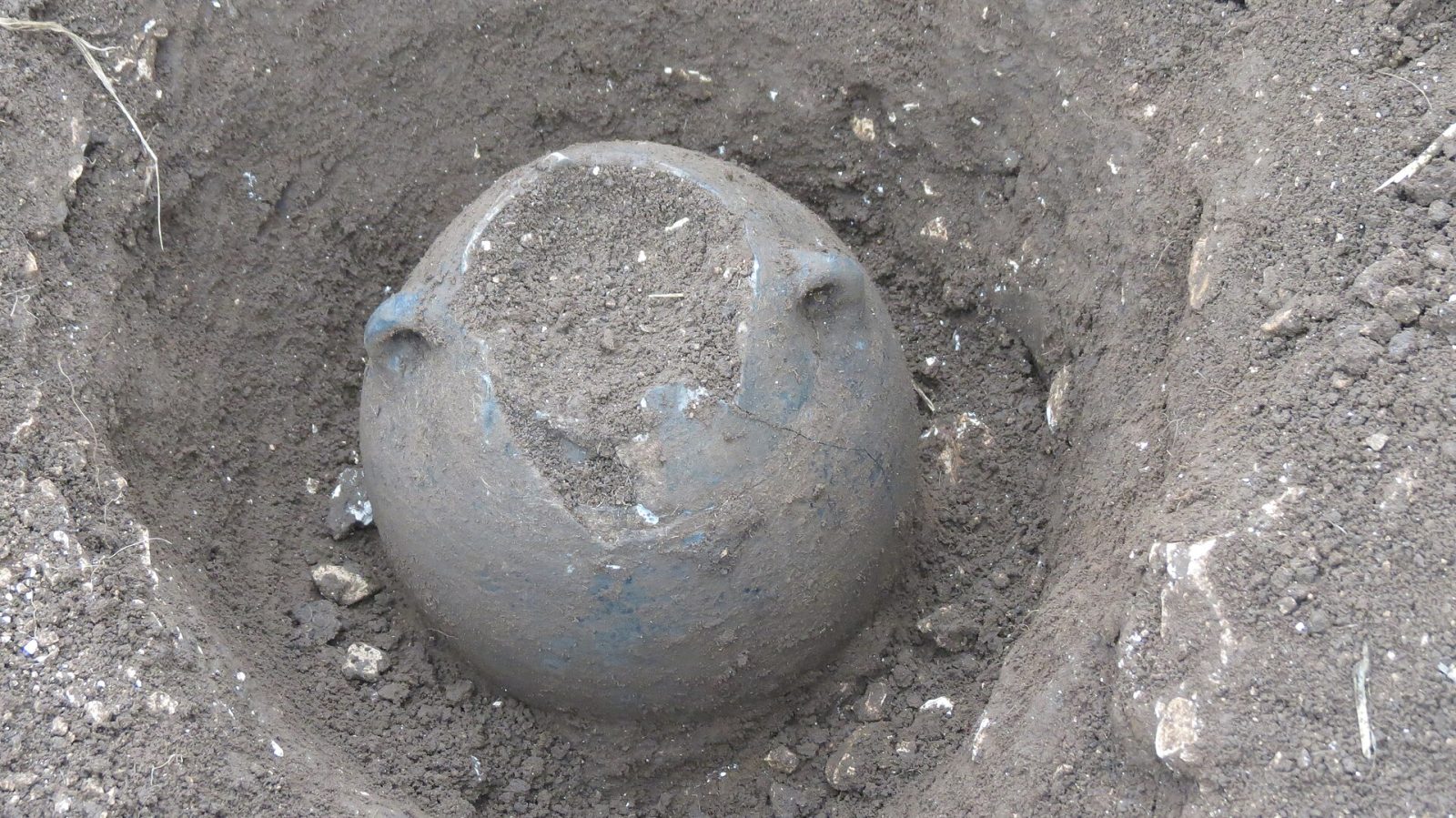
On 18 June 2011, two metal detectorists from Redditch, Jethro Carpenter and Mark Gilmour, were searching on Bredon Hill, near Evesham in Worcestershire, a few hundred metres north of the Iron Age hillfort of Kemerton Camp. They found Roman coins, and then a pot full of them, buried about half a metre down. They reported the find through the Portable Antiquities Scheme, and archaeologists from Worcestershire County Council's archaeology service spent two weeks excavating the spot.
The pot, a jar of the local pottery known as Severn Valley ware, held 3,784 coins. They are radiates, the base-silver coins of the third century, named after the spiked crown the emperor wears on them. Between them they cover 38 years, from AD 244 to 282, and the reigns of 16 emperors, including the rulers of the breakaway Gallic Empire, which split from Rome between 260 and 274. The latest coins belong to the emperor Probus.
The excavation also showed that the hoard had been buried inside the ruins of a Roman building, and that is where the surprise came. Normally a hoard is dated by its latest coin, which would put this one in the 280s. But the pit dug to hold the pot cut through a layer of soil containing fourth-century pottery and a coin struck between about 355 and 361. The pot must therefore have gone into the ground in the middle of the fourth century, perhaps 70 to 100 years after the newest coin in it was made. Somebody, it seems, had kept a pot of long-outdated money for generations before burying it. Current Archaeology used Bredon Hill as a case study in how difficult it can be to date a hoard.
A coroner's inquest at Stourport on 16 November 2011 declared the coins treasure. Most of them were conserved at the British Museum, a selection went on show at Worcester City Art Gallery and Museum that autumn, and the hoard was acquired by Museums Worcestershire, which displayed it at Hartlebury Castle in 2016.
Written for Global Finds from Current Archaeology's report on the hoard and the excavation, BBC News coverage of the inquest (November 2011) and the Portable Antiquities Scheme. Photo: the Bredon Hill Hoard on display, Portable Antiquities Scheme, Wikimedia Commons, CC BY 2.0.
Approximate location52.07, -2.06View on map
Source: Current Archaeology