The Trier Gold Hoard: 2,650 Roman gold coins rescued from a spoil heap by detectorists
Famous find Coins of AD 64 to 196, buried about AD 196 · Found in 1993 See it on the timeline →
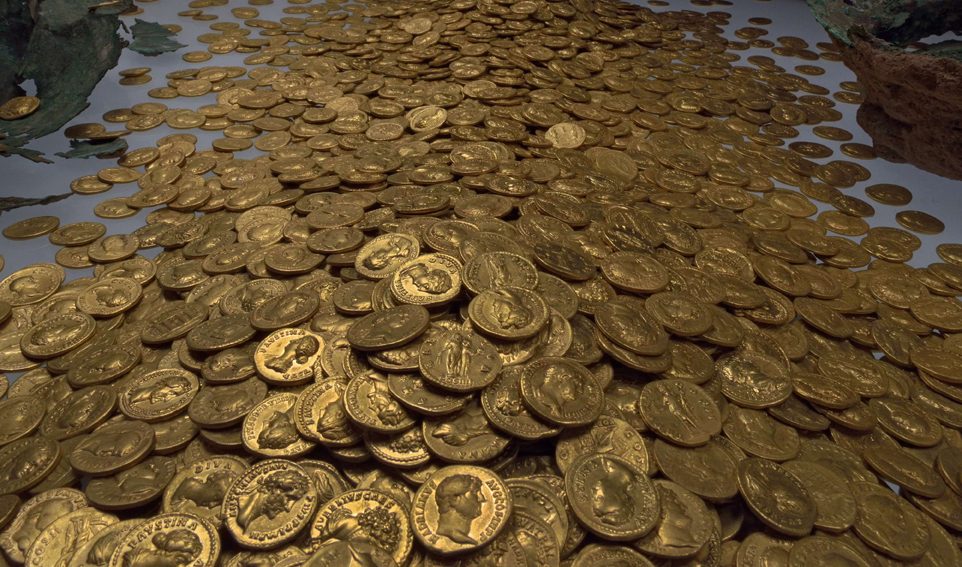
In 1993 a digger building a hospital car park in Trier tore open a bronze pot holding more than 2,600 Roman gold coins and sent many of them off to a spoil heap. Metal detectorists recovered them and handed them in. It is the largest Roman gold hoard ever found.
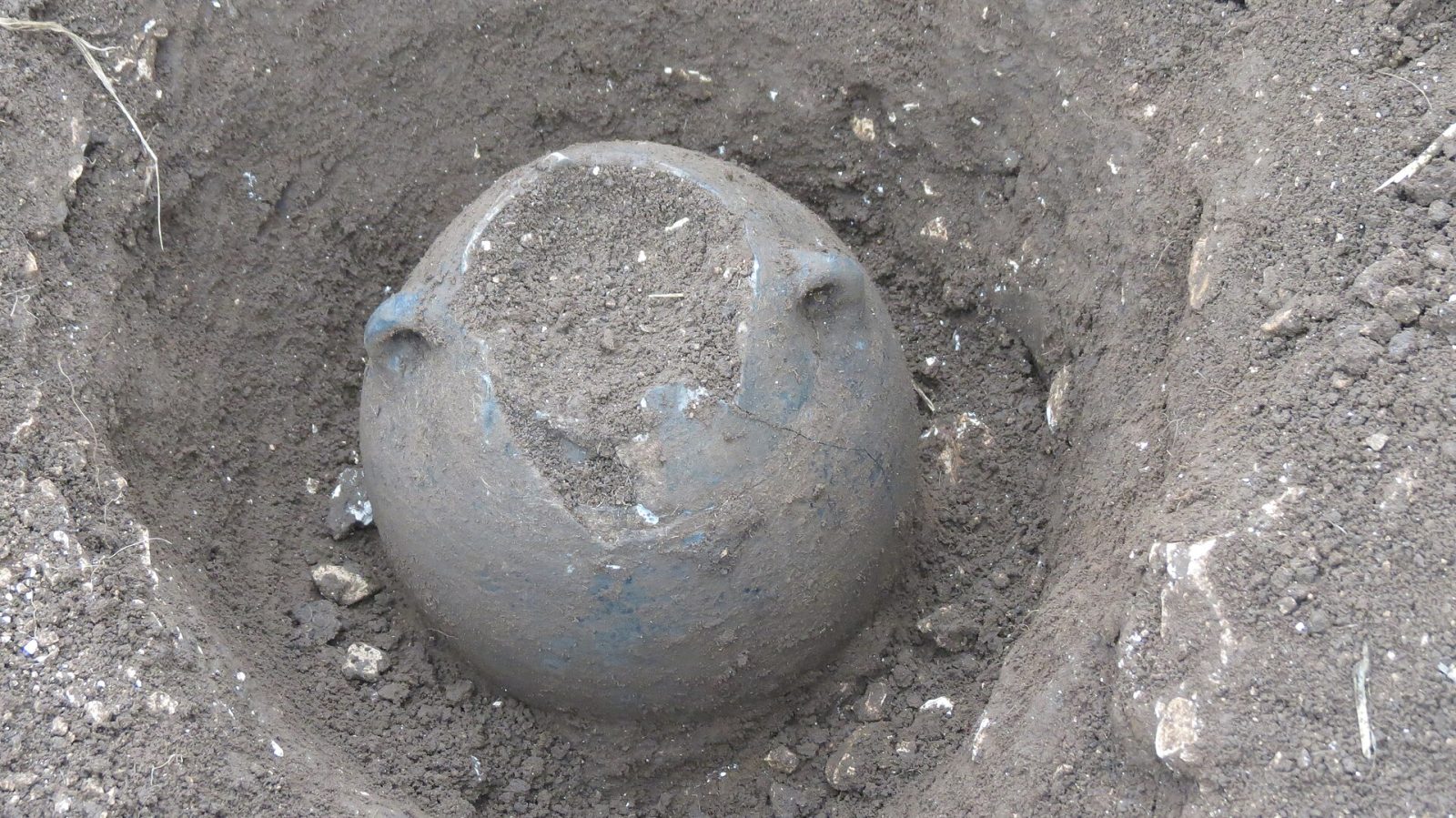
On 9 September 1993, an excavator was digging out the site of a new car park for a hospital on Feldstraße in Trier, the old Roman capital on the Moselle in western Germany. Its bucket tore open a bronze cauldron packed with gold coins. Nobody on site noticed. Part of the cauldron and a great many of the coins were carried away in lorry loads of earth and dumped on a spoil heap outside the city.
The hoard was saved by metal detectorists. Searching the spoil heap, they found gold coins, then searched the building site itself, and over the following days they handed what they had found to the Rheinisches Landesmuseum, the state archaeological museum in Trier. The museum's own check of the site had not used metal detectors.
The cauldron had held more than 2,650 gold aurei, weighing about 18.5 kilograms in all, which makes it the largest hoard of Roman gold coins ever found. Of these, 2,518 are now in the museum. The coins had been packed in rolls of about 100, wrapped in cloth. They run from the emperor Nero's coin reform of AD 64 to the reign of Septimius Severus in the 190s, and more than a third were struck under Nero. The hoard includes more than 80 types never recorded before, among them a rare coin of Didius Julianus, who held power for only 66 days in 193. More than 400 coins carry test cuts or scratched marks.
Study of the coins suggests the hoard was buried twice. The main group was put away around 167 or 168, perhaps during the plague that swept the empire under Marcus Aurelius. A small purse of six new coins was added after 193, and the hoard went back into the ground around 196, probably while Trier was under siege during the civil war between Septimius Severus and Clodius Albinus.
The coins are on display in the Rheinisches Landesmuseum Trier, which reopened its coin cabinet in 2022. In October 2019 thieves climbed scaffolding, broke in and smashed the display case with sledgehammers, but fled empty-handed when the alarm went off. One of them was later identified by DNA and jailed.
Written for Global Finds from Guinness World Records, a 2016 review of the hoard's publication in L'Antiquité Classique, CoinsWeekly and wissenschaft.de. Photo: the Trier gold hoard in the Rheinisches Landesmuseum Trier, Th. Zühmer, Wikimedia Commons, CC BY-SA 3.0.
Approximate location49.75, 6.63View on map
Source: Guinness World Records