The Tissø Ring: Denmark's biggest Viking gold find, and the royal hall detectorists led to
Famous find 10th century AD · Found in 1977 See it on the timeline →
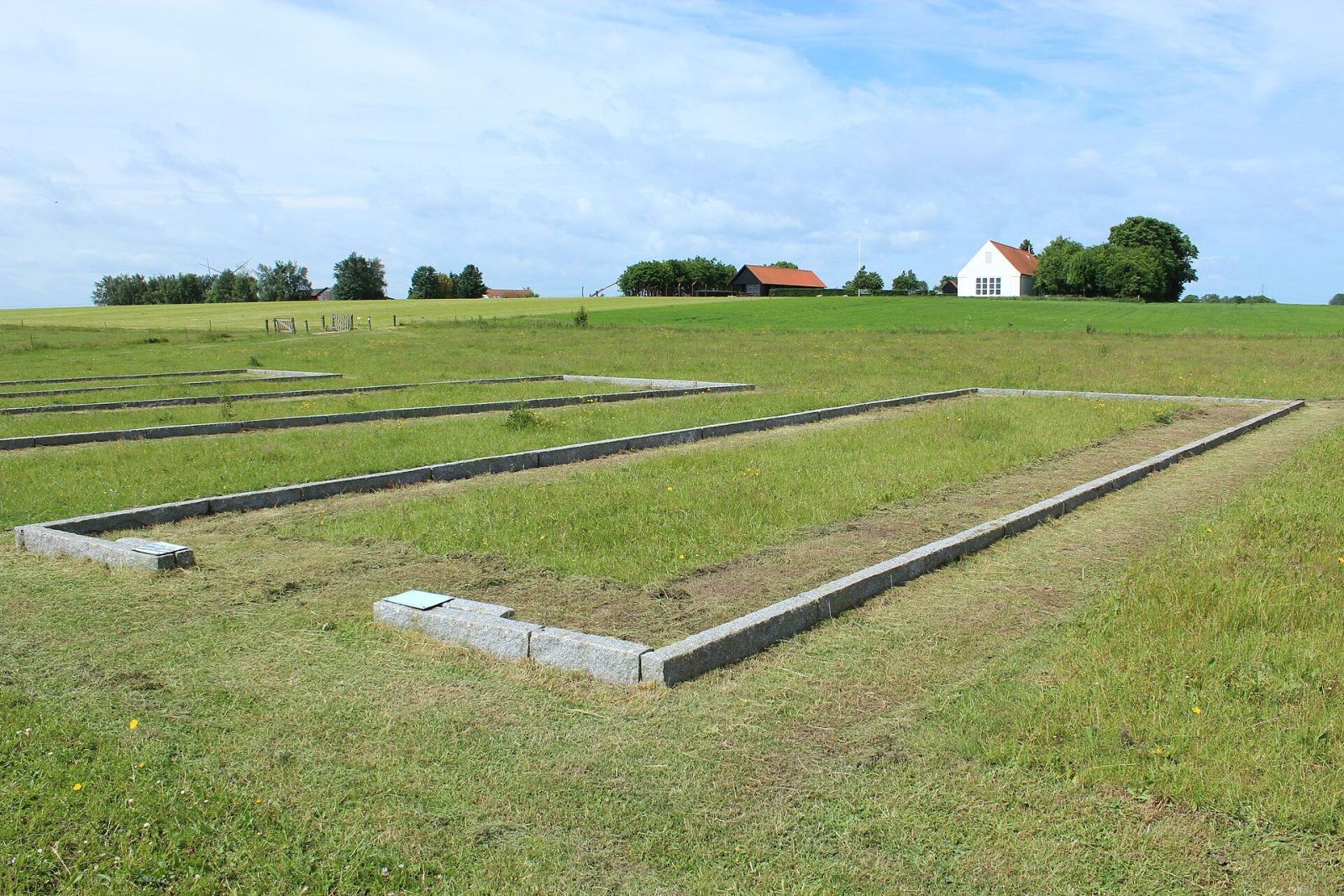
In 1977 a Danish farmer's plough snagged a gold neck ring weighing 1.8 kilograms beside Lake Tissø on Zealand. Years later, finds by metal detectorists in the same fields led archaeologists to a great Viking royal estate.
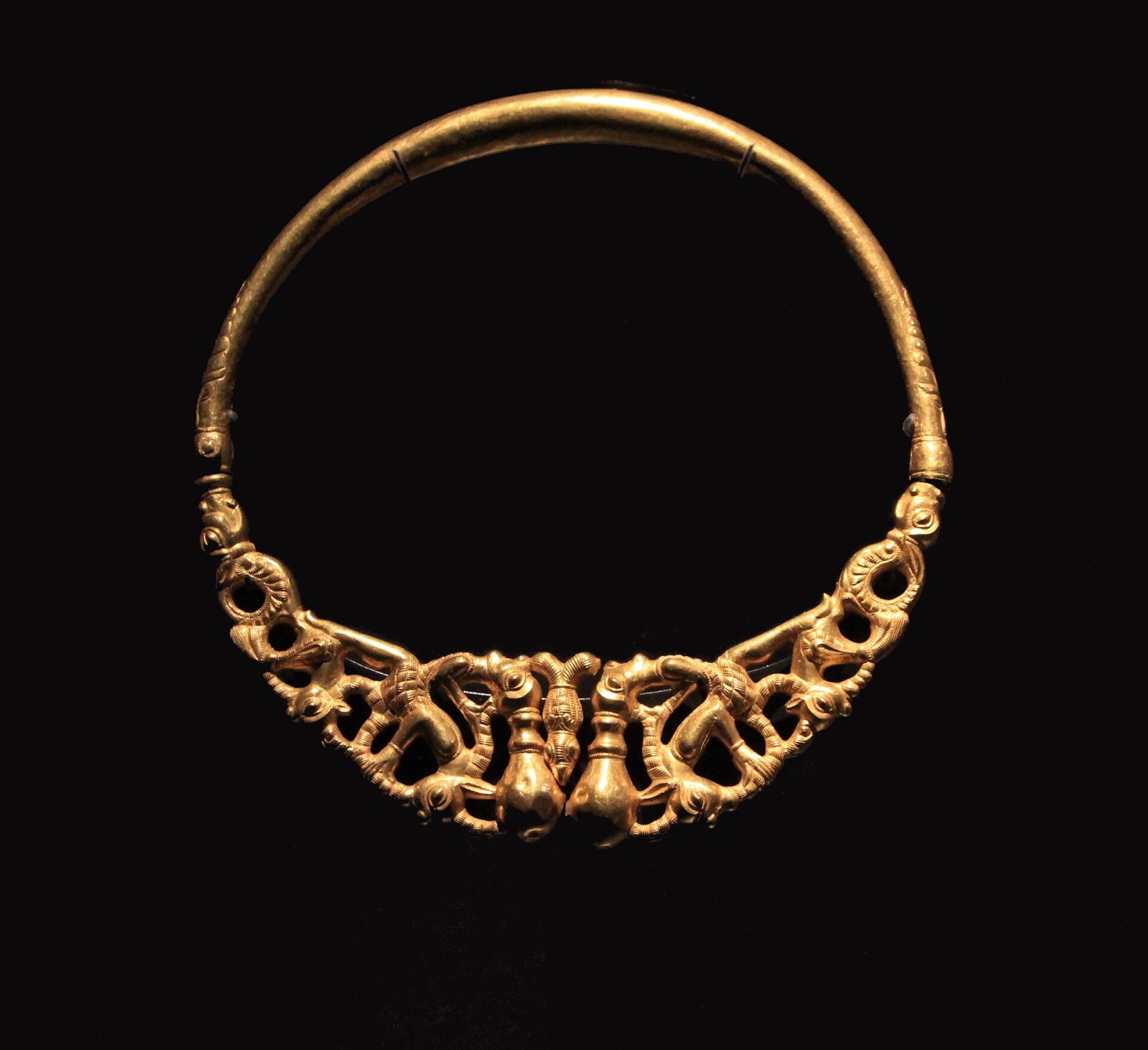
In the spring of 1977 a farmer was ploughing a field on the west side of Lake Tissø, in west Zealand, when something caught on his machinery. It was a massive neck ring made of heavy rods of gold plaited together, about 35 centimetres across and weighing 1.83 kilograms. A small piece is missing, probably broken off when the ring was ploughed up, so it was once heavier still. It is the largest gold find from the Viking Age ever made in Denmark, and it is dated to the 10th century. A ring like this was a statement of enormous wealth: it has been estimated that its gold could have bought around 500 cattle.
The ring went to the National Museum of Denmark as danefæ, the treasure that belongs to the Danish state, and is on display in Copenhagen. For a while it stood alone. Then, from about 1990, local detectorists searching the fields along the lake began handing in jewellery and parts of weapons. The National Museum's archaeologist Lars Jørgensen has said it was these detector finds that made archaeologists wake up to what lay at Tissø.
Excavations began in 1995 and ran every year until 2003, with further work in later years. They uncovered the estate of a magnate, perhaps a king, spread over about 50 hectares and used from about 550 to 1050. At its heart was a great hall about 48 metres long, with post holes up to three metres deep, next to a fenced enclosure that seems to have been a place of worship. Around it were a market place and workshops. More than 12,000 finds have come from the ploughsoil, many of them found with metal detectors: weapons, amulets showing Viking women thought to be valkyries or the goddess Freyja, Arab silver coins, weights, cut-up silver, and silver hoards found in 1988 and 2000. Swords were thrown into the lake itself, whose name is thought to come from Tyr, the god of war.
A replica of the ring can be seen at the Fugledegård visitor centre on the shore of the lake.
Written for Global Finds from the Danish encyclopaedia Lex.dk, the National Museum of Denmark's pages on the magnate estate at Tissø, the Viking Ship Museum and ScienceNordic. Photo: the outlines of the Viking Age buildings at Tissø, marked out in the field where they were excavated, Toxophilus, Wikimedia Commons, CC BY-SA 4.0. No free photograph of the ring itself is available.
Approximate location55.57, 11.26View on map
Source: Viking Ship Museum