The Treasure of Villena: Bronze Age gold, iron from space, and a theft in 2026
Famous find Late Bronze Age, about 1400 to 1000 BC · Found in 1963 See it on the timeline →
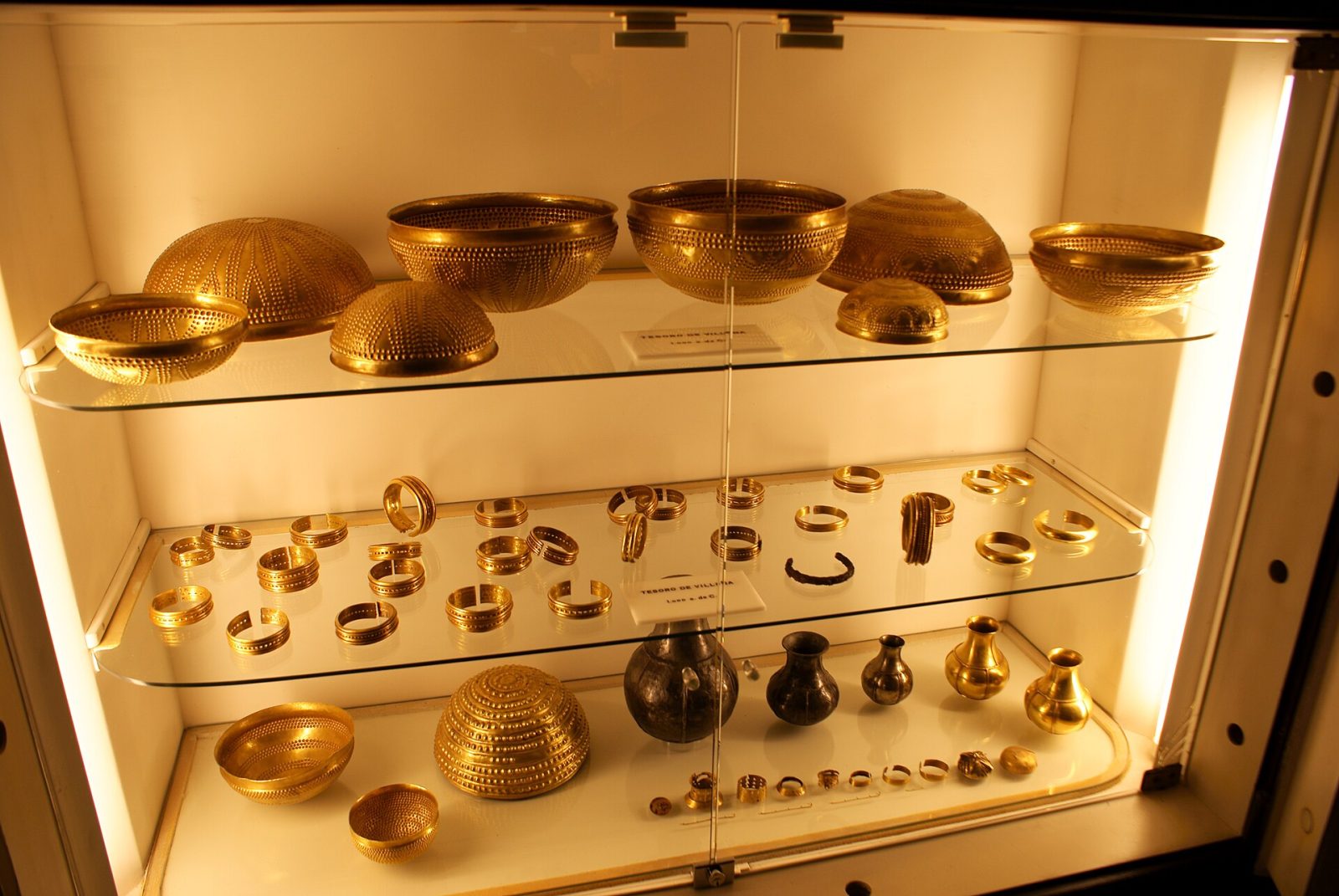
In 1963 a gold bracelet mistaken for scrap led a Spanish archaeologist to a buried pot holding almost 10 kilograms of Bronze Age gold bowls and bracelets. In August 2026 most of the treasure was stolen from the museum in Villena in under four minutes.
In the autumn of 1963, a worker near Villena, in the province of Alicante in south-east Spain, picked up a heavy bracelet that was taken at first for a piece of scrap from an engine. On 22 October a local jeweller recognised it as gold and alerted the town's archaeologist, José María Soler García. When a second bracelet appeared in November, Soler went looking for the place they had come from.
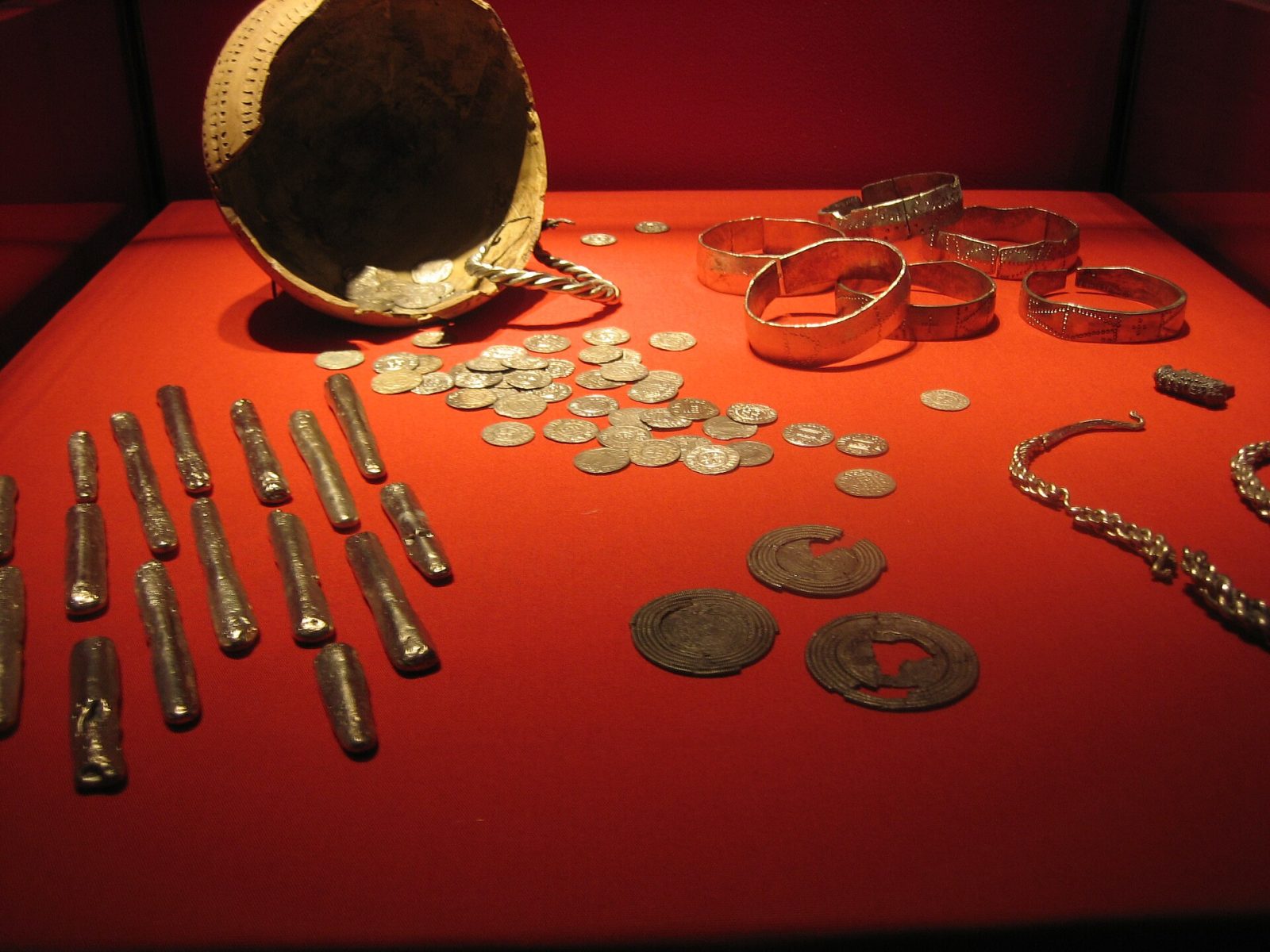
On 1 December 1963 his team dug in the Rambla del Panadero, a dry stream bed below the Sierra del Morrón outside the town. Buried in a Bronze Age pottery vessel was one of the greatest gold hoards in Europe: 11 gold bowls, 28 gold bracelets, gold bottles and small gold fittings from an object that may have been a sceptre or the hilt of a weapon, along with three silver bottles, amber and two small pieces of iron. The gold alone weighed 9.75 kilograms. Later that month a railway worker handed in another bracelet he had found earlier.
The iron pieces caused a long argument. Iron was not supposed to be worked in Iberia in the Bronze Age, so some scholars dated the hoard as late as the 8th century BC. In 2023 a study by Spanish researchers in the journal Trabajos de Prehistoria found that the iron contains nickel at levels consistent with meteoritic iron, metal from a meteorite. If they are right, these are the first objects of meteoritic iron identified in the Iberian Peninsula, and the hoard can belong to the Late Bronze Age, about 1400 to 1200 BC, the period of the nearby settlement of Cabezo Redondo. Other dates, around 1000 BC, are still proposed.
The treasure stayed in Villena, in the museum named after Soler, and from 2024 it was displayed in the town's new museum, MUVI. In the early hours of 27 August 2026, thieves set off a false alarm at a sports centre to draw attention away, broke in through the museum's side windows and, in about four minutes, took most of the treasure, along with crowns from religious statues. Only the silver bottles, a bracelet and a few fittings were left behind. At the time of writing nothing had been recovered, and a court in Villena had opened an inquiry into the museum's security. Replicas made long before the theft survive, including a set in the National Archaeological Museum in Madrid.
Written for Global Finds from the University of Alicante's Cabezo Redondo project, Trabajos de Prehistoria (2023), Euronews (27 August 2026) and Spanish press coverage of the theft. Photo: the Treasure of Villena in the Villena archaeological museum, Julio Garcia, Wikimedia Commons, CC BY 2.0.
Approximate location38.60, -0.86View on map
Source: Euronews