Kalkriese: the British detectorist who found the battlefield of Rome's lost legions
Famous find The battle of AD 9 · Found in 1987 See it on the timeline →
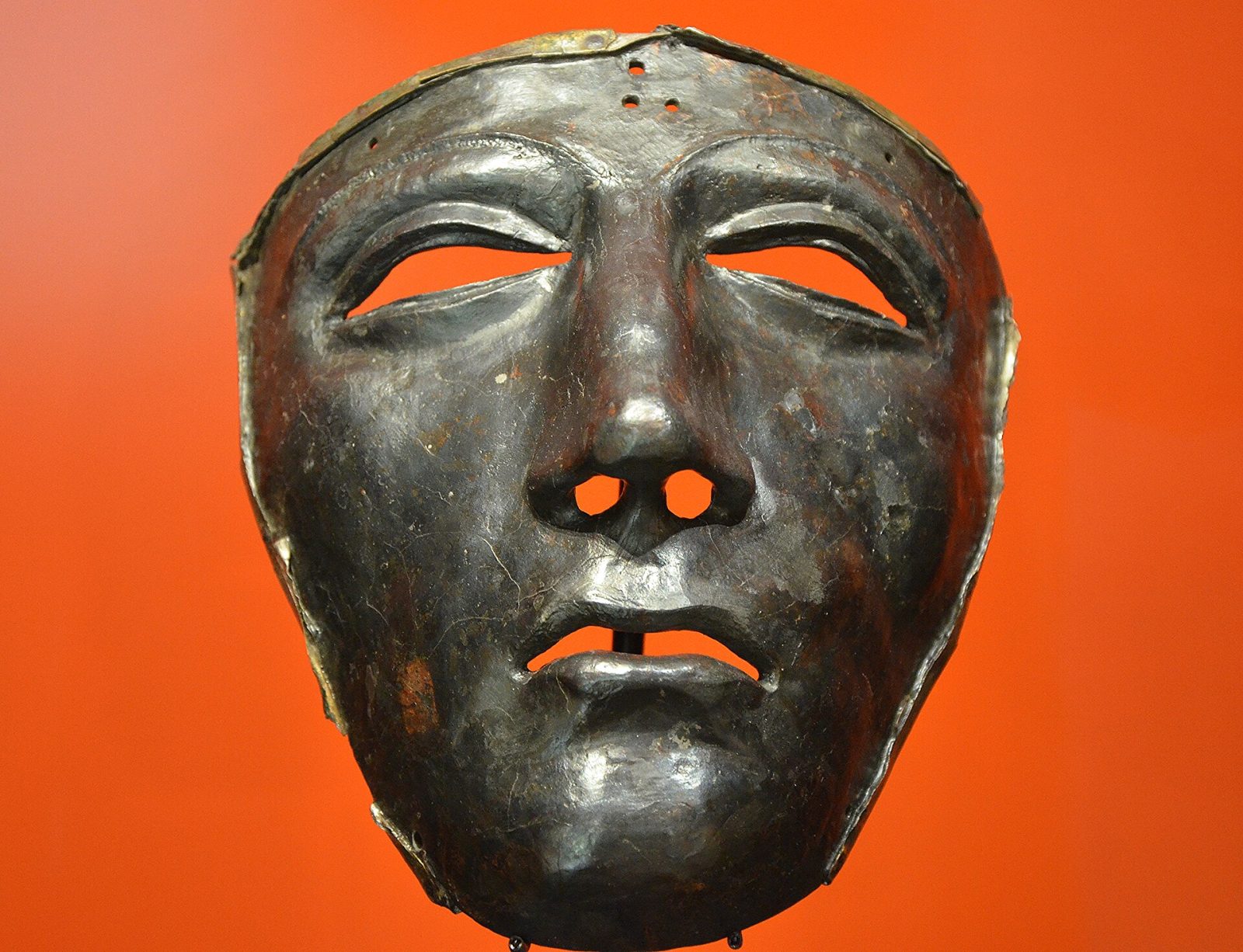
In 1987 a British Army officer with a metal detector, stationed at Osnabrück, found Roman silver coins near Kalkriese in northern Germany. His finds led archaeologists to what is widely accepted as the site where three Roman legions were destroyed in AD 9.
In AD 9, three Roman legions under the governor Publius Quinctilius Varus were ambushed and wiped out by Germanic tribes led by Arminius, somewhere in the forests of northern Germany. Some 15,000 or more soldiers died, and Rome never again tried to conquer the lands east of the Rhine. For centuries, historians argued about where the battle had taken place. Hundreds of locations were proposed.
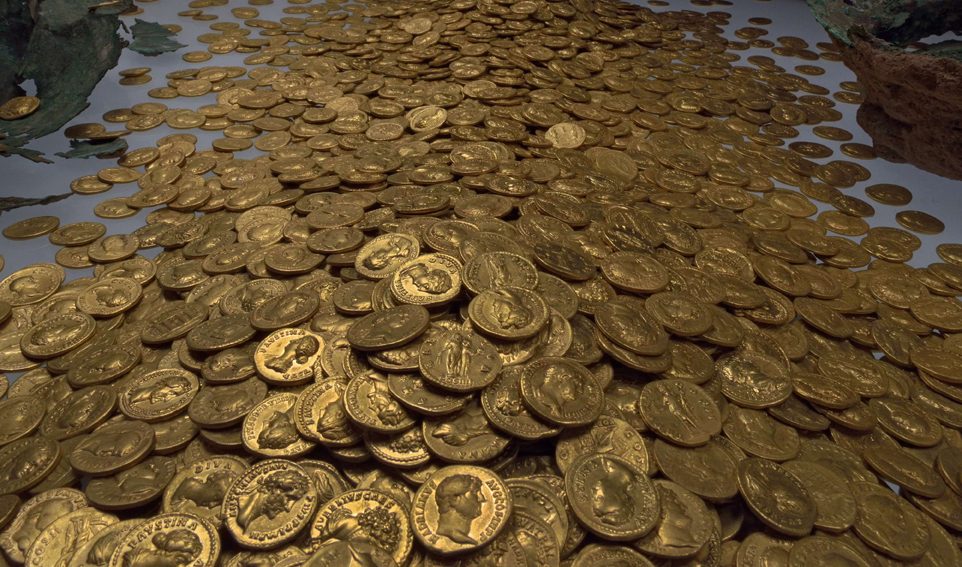
In 1987, Tony Clunn, a British Army officer serving with the garrison at Osnabrück and a keen metal detectorist, asked the district archaeologist, Wolfgang Schlüter, where he might usefully search. Schlüter suggested an area about 20 kilometres north of the city, near the village of Kalkriese, where Roman coins had been turning up for centuries and where the historian Theodor Mommsen had placed the battle in the 1880s. On his first day out, Clunn found Roman silver coins. Over the following months he recovered more than a hundred silver denarii of the emperor Augustus, scattered across a field, and in 1988 he found three lead sling shots, the first unmistakably military finds.
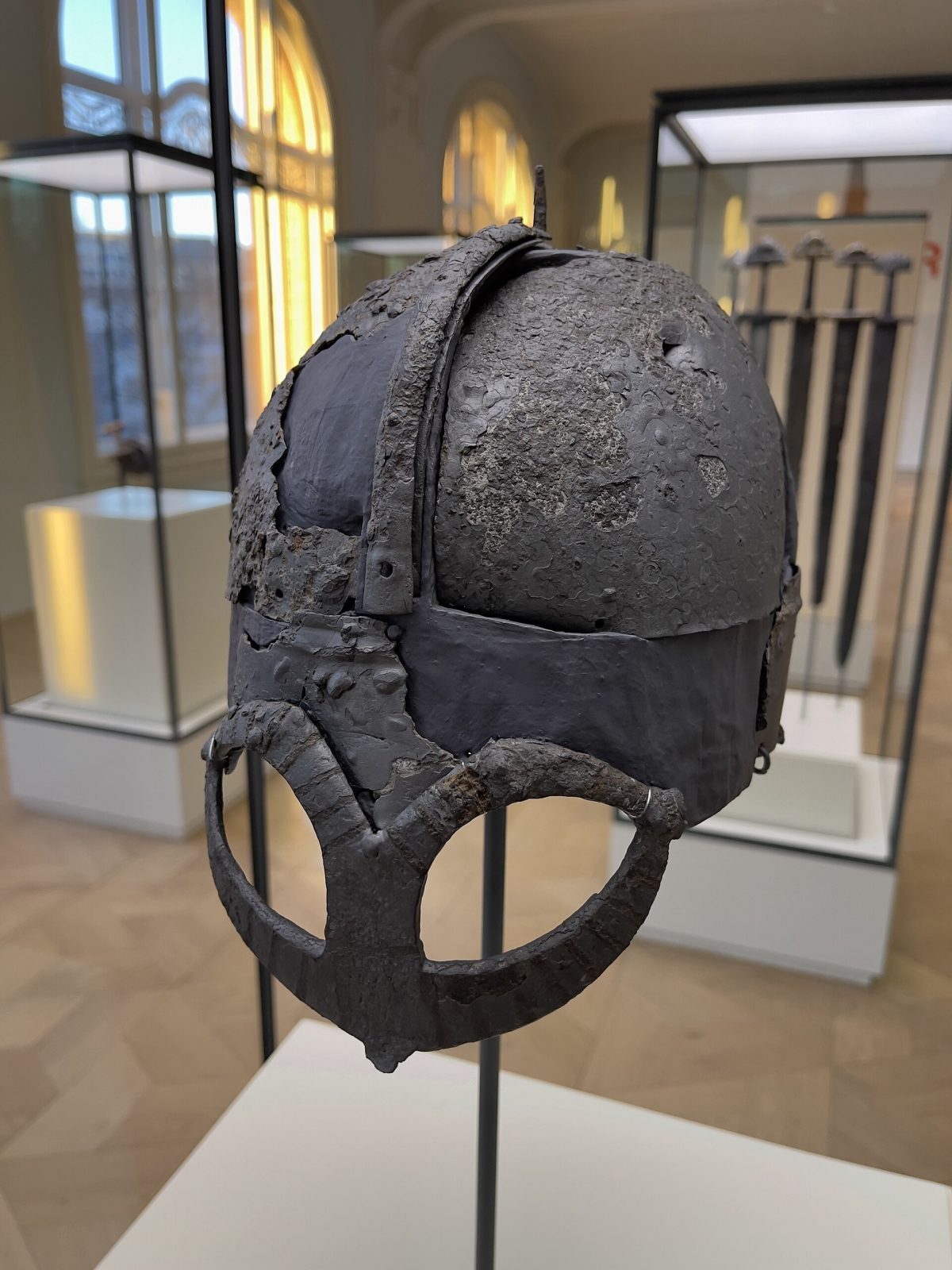
Excavations began in 1989 and have continued ever since. The archaeologists found a turf rampart 400 metres long, built by the Germanic warriors along the foot of a hill to trap a column of soldiers on a narrow strip of land between the hill and a bog. Thousands of Roman finds have come from the site: weapons, armour fittings, equipment, and around 2,000 coins. None of the coins is securely later than AD 9, and some copper coins carry the countermark VAR, for Varus. In 1990 the excavators found the most famous object from the site: an iron face mask from a Roman cavalry helmet, once covered with silver sheet that had been stripped off, presumably by the victors.
Not every scholar accepts that Kalkriese is the site of the Varus battle; some argue the finds come from a later clash in AD 15. The museum itself describes it as one of the sites of the battle. A 2022 study of the metal in the finds matched them to a camp where one of Varus's legions had been based, supporting the link.
Clunn later became a major and was made an MBE. The Museum und Park Kalkriese opened on the site in 2002.
Written for Global Finds from Museum und Park Kalkriese, Archaeology magazine (2005), History Hit and German press reporting of the 2022 metal study. Photo: the Kalkriese cavalry face mask, Museum und Park Kalkriese, Carole Raddato, Wikimedia Commons, CC BY-SA 2.0.
Approximate location52.41, 8.13View on map
Source: Museum und Park Kalkriese