The Lydian Hoard: tomb treasure looted, sold to the Met, returned, and stolen again
Famous find Lydian, about 650 to 546 BC · Found in 1966 See it on the timeline →

In the 1960s villagers in western Turkey dynamited their way into ancient Lydian burial mounds and sold the treasure abroad. The Metropolitan Museum of Art bought it, Turkey sued and won it back, and then the museum director at home swapped its star piece for a fake.
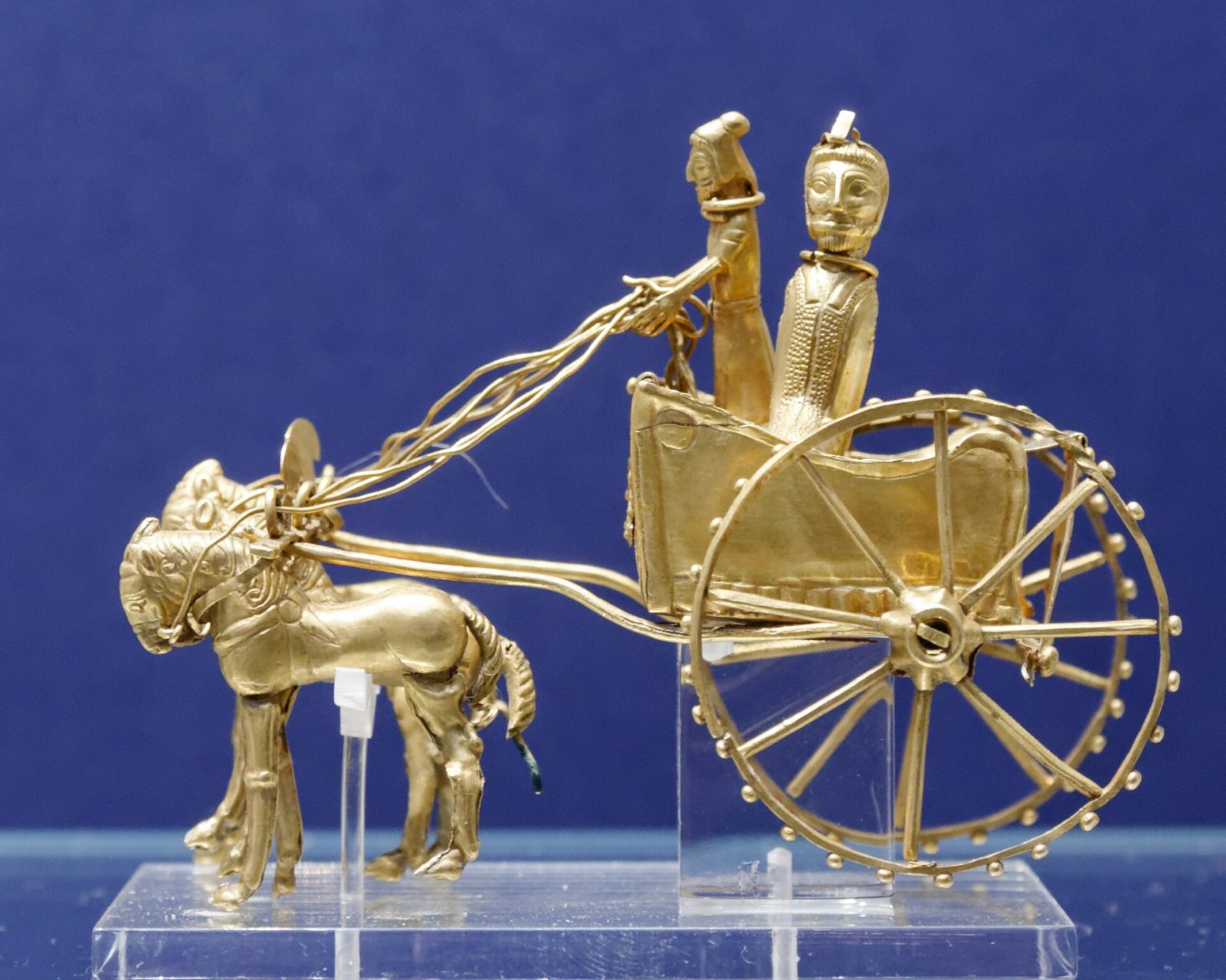
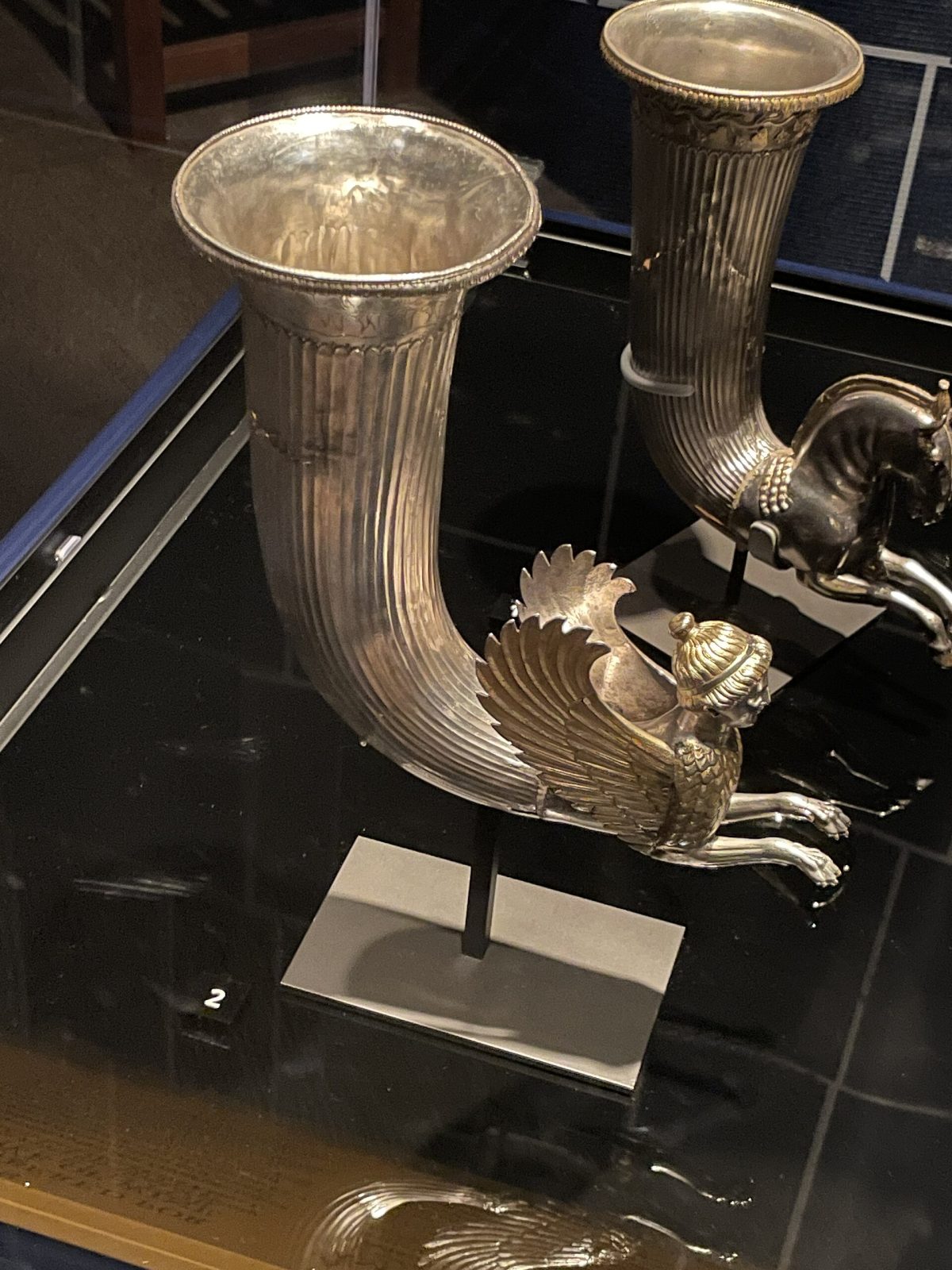
In the mid-1960s, looters from the village of Güre, near Uşak in western Turkey, began digging into the great burial mounds that stand in the fields around it. The mounds belonged to the Lydians, the people whose kingdom, ruled at its height by the legendary rich king Croesus, dominated western Anatolia in the 7th and 6th centuries BC. In one mound, Toptepe, the looters reportedly used dynamite to break through the roof of a tomb chamber in which a Lydian noblewoman had been buried. The mounds held gold jewellery, including bracelets with lion-head ends, silver and gilded vessels, marble sphinxes and wall paintings: in all, more than 360 objects.
The treasure was smuggled out of Turkey and sold, in batches, to the Metropolitan Museum of Art in New York, through a New York dealer, for well over a million dollars. For years it stayed out of sight. When some of it was eventually shown, labelled as an East Greek treasure, the Turkish journalist Özgen Acar recognised it, and Turkey demanded it back. When the Met refused, Turkey sued in 1987. In 1993 the museum settled out of court, admitting that members of its staff had known the objects were stolen, and returned the hoard. Popularly called the Karun Treasure, after the Turkish name for Croesus, it went on display in the museum at Uşak.
The story did not end there. In 2006 it emerged that the hoard's most famous piece, a small gold brooch in the shape of a winged sea-horse, had been replaced in its case with a fake. The thief was the museum's own director, who had sold it to pay gambling debts; he was arrested along with others and sent to prison. In 2012 the Turkish government announced that the brooch had been found in Germany, and it returned to Turkey the following year.
The Lydian Hoard is now displayed in the new Uşak Archaeology Museum, which opened in 2018.
Written for Global Finds from the University of Geneva's ArThemis case note on the Lydian Hoard, Hürriyet Daily News (2012 and 2018) and The World (2012). Photo: gold bracelets with lion-head ends from the Lydian Hoard, in the Uşak Museum, Dosseman, Wikimedia Commons, CC BY-SA 4.0.
Approximate location38.65, 29.17View on map
Source: University of Geneva, ArThemis