The Taplow Burial: an Anglo-Saxon prince under a churchyard yew
Famous find Buried about AD 620 to 640 · Found in 1883 See it on the timeline →
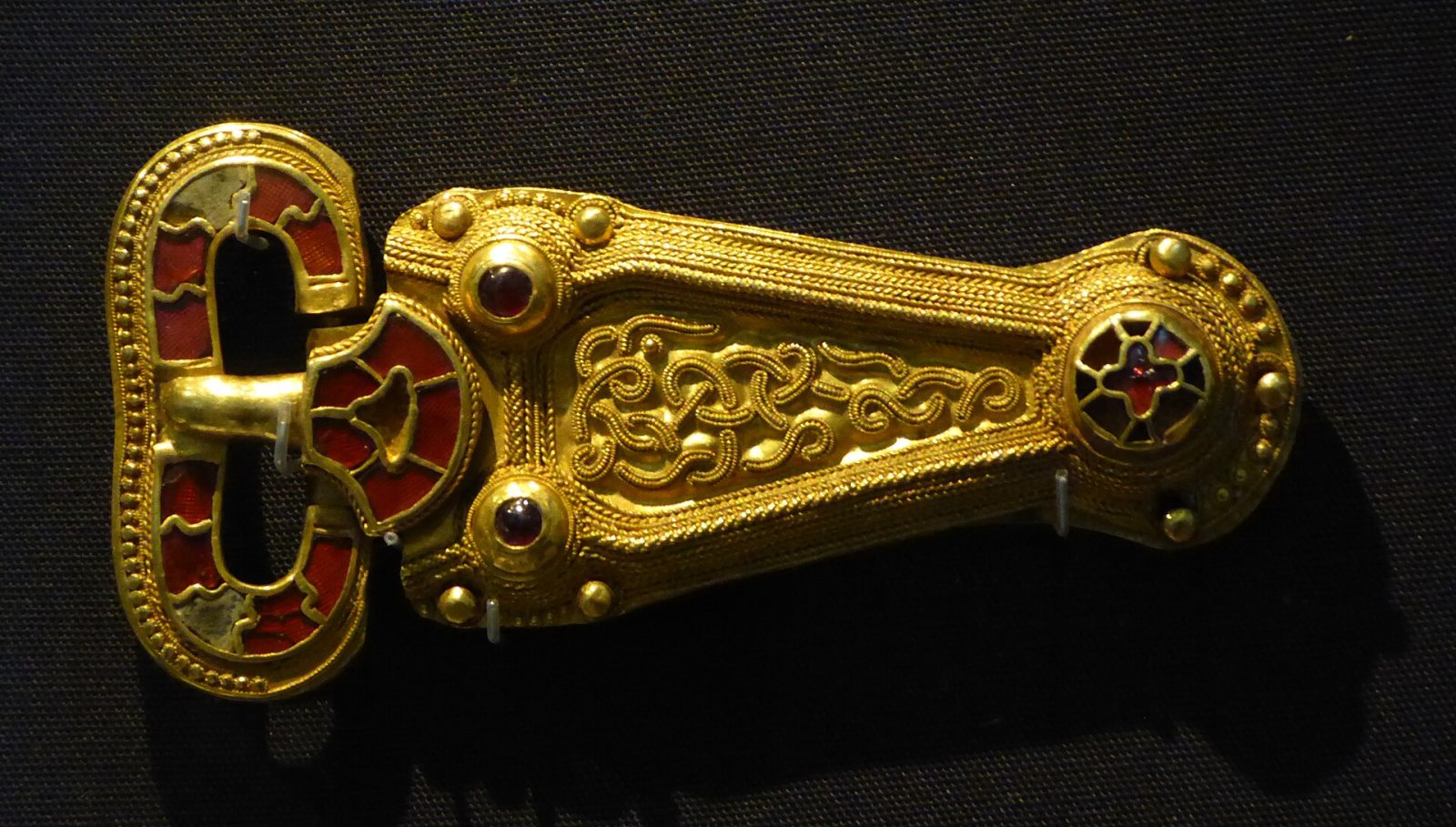
In October 1883 Victorian antiquarians tunnelled into a great mound in Taplow churchyard, under an ancient yew. They found an Anglo-Saxon warrior buried with weapons, drinking horns, a lyre and a gold buckle: the richest Anglo-Saxon burial known until Sutton Hoo.
In the old churchyard at Taplow Court, on a hilltop above the Thames in Buckinghamshire, stood a great mound, about 15 feet high, with an ancient yew tree growing on top of it. On Monday 15 October 1883, with the permission of the rector and the lord of the manor, a group of antiquarians led by James Rutland of the Berkshire Archaeological and Architectural Society began to dig into it.
It was a difficult and dangerous dig. The diggers tunnelled in from the side and sank shafts from above, working in a gallery beneath the roots of the yew. Earth fell from under the tree and injured Rutland, and work stopped for several days before they went back in with timber props. At the bottom, below the base of the mound, they found gold threads, and then the burial of a man laid out with an astonishing array of possessions. After the finds had been recorded, the yew itself sank into the trench, dragging the props with it, which is why the exact position of many objects is uncertain.
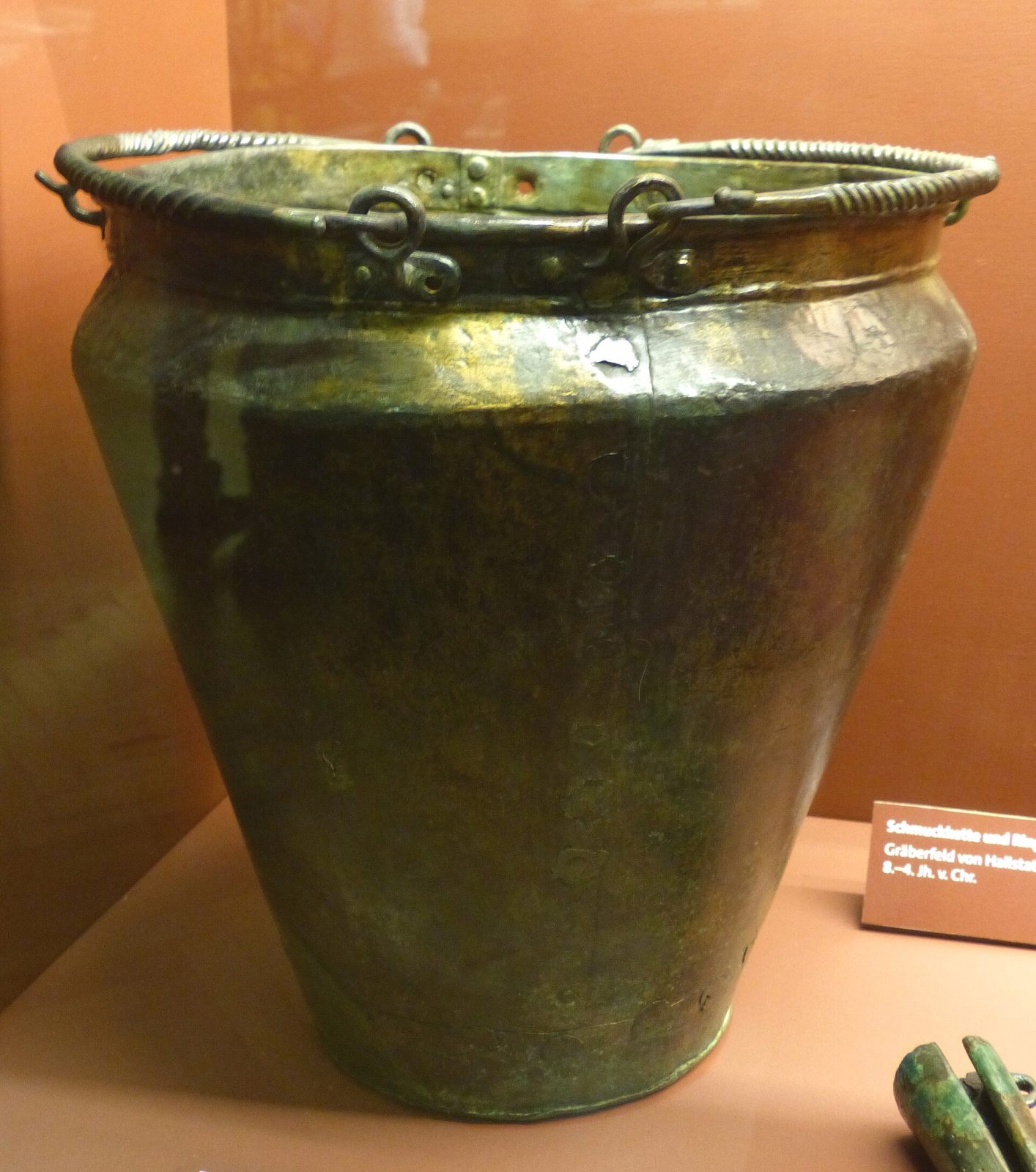
The grave goods included a sword, spears, a seax and two shield bosses; a bronze cauldron and buckets; a bronze bowl made in the eastern Mediterranean; four glass claw beakers; two great drinking horns made from the horns of the aurochs, the extinct wild ox, with silver-gilt mounts; bone gaming pieces; gold braid from a garment; and a magnificent gold buckle set with garnets, about four inches long. Fittings that were long a puzzle were identified in 1970 as the remains of a lyre. Many of the objects look as if they were made in Kent, and some, like the drinking horns, were already old when they were buried in the early 7th century, around AD 620 to 640.
Until the Sutton Hoo ship burial was found in 1939, Taplow was the richest Anglo-Saxon burial known. The village's name probably comes from Old English Tæppas hlāw, Tæppa's mound, so the man in the grave may have given his name to the place. The rector offered the finds to the British Museum, where they are displayed today alongside the treasures from Sutton Hoo.
Written for Global Finds from J. Stevens's account of the excavation in the Journal of the British Archaeological Association (1884) and the Buckinghamshire Historic Environment Record. Photo: the Taplow gold buckle in the British Museum, Ethan Doyle White, Wikimedia Commons, CC BY-SA 4.0.
Approximate location51.53, -0.70View on map