The Hallstatt Cemetery: a salt-mine manager's dig that named an age
Famous find Burials of about 800 to 400 BC · Found in 1846 See it on the timeline →
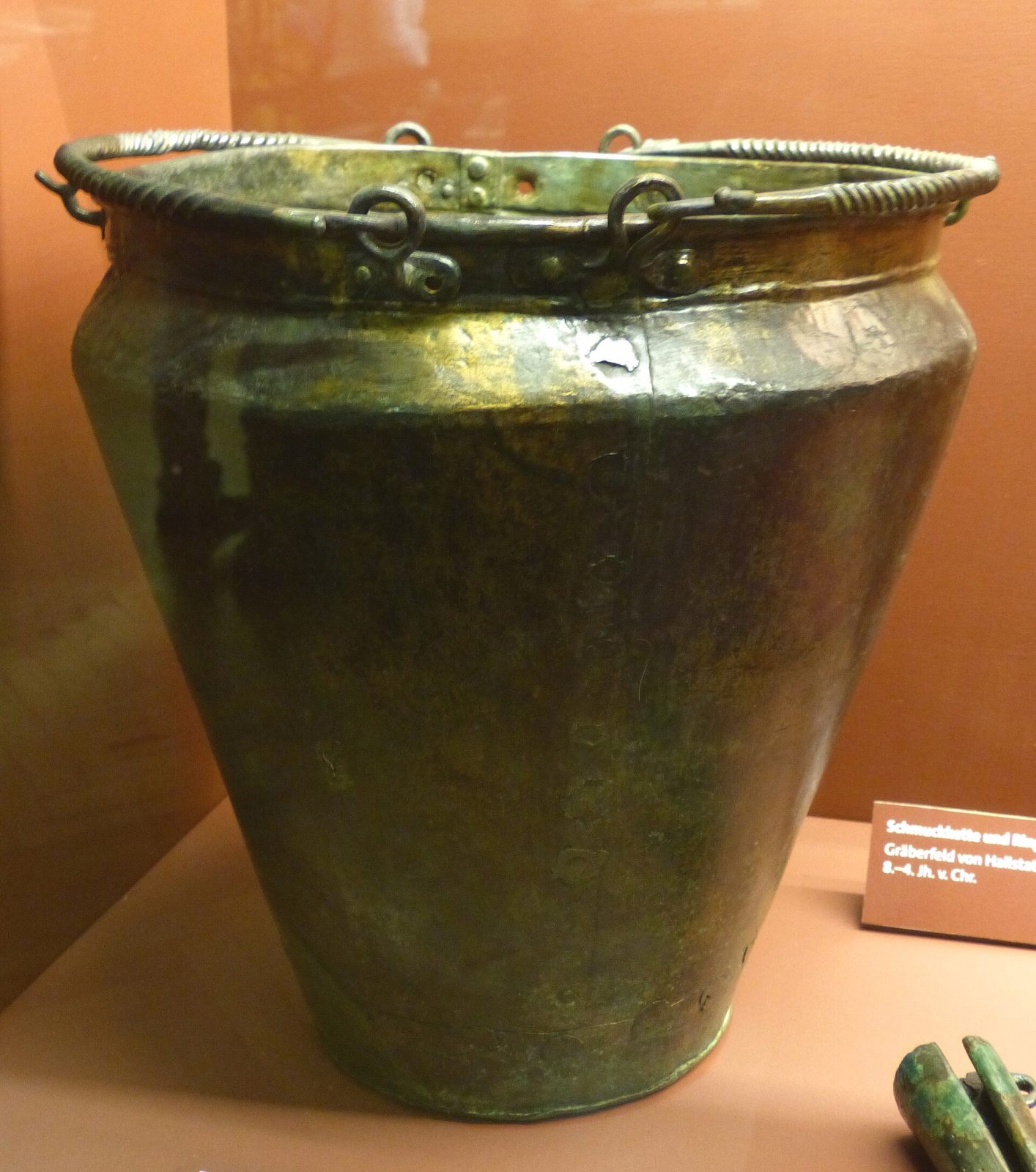
In November 1846 miners digging gravel above the Austrian lake village of Hallstatt struck ancient graves. Over the next 17 years the mine manager, Johann Georg Ramsauer, excavated nearly a thousand burials and recorded them in watercolour, and the site gave its name to the early Iron Age of Europe.
High above the lakeside village of Hallstatt, in the mountains of Upper Austria, lies one of the oldest salt mines in the world, worked since prehistoric times. In November 1846, miners opening a gravel pit in the high valley beside the mine struck what they called antiques. The mine's manager, Johann Georg Ramsauer, investigated, and found skeletons. It was the start of one of the great excavations of the 19th century.
Between 1846 and 1863, Ramsauer excavated 980 graves, recovering nearly 20,000 objects. Unusually for his time, he kept a careful record: every grave was drawn and painted in watercolour, showing the skeleton or the cremated remains and exactly where each object lay. The paintings, in plates attributed to the artist Isidor Engl, are still one of the most valuable records of any early excavation. Ramsauer stopped in 1863, believing the cemetery was exhausted; he was wrong, and later excavations have taken the total to about 1,500 graves.
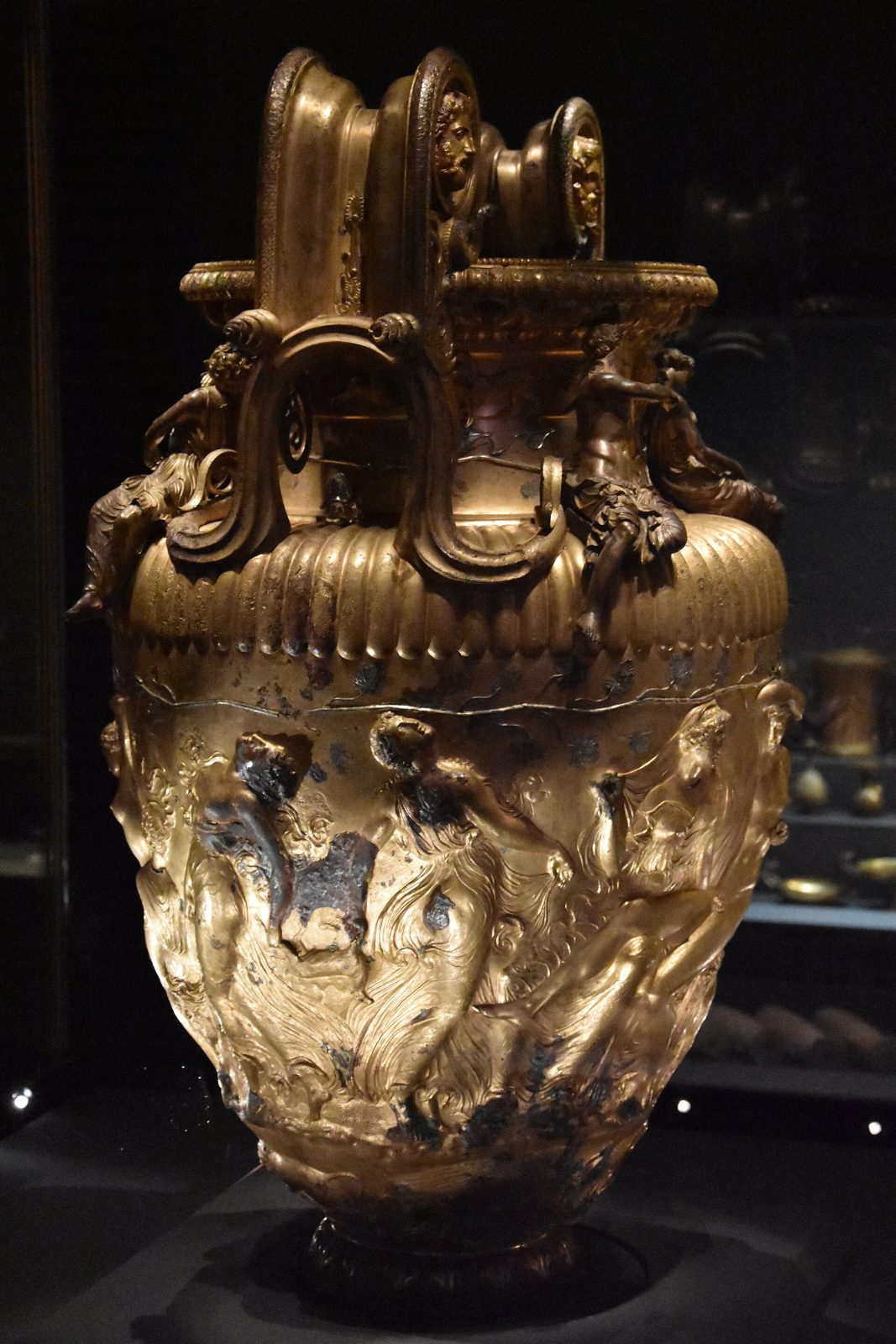
The burials belonged to the community that grew rich from mining salt, which was traded across Europe. The richest graves contained bronze vessels and buckets, daggers, and swords, the finest with hilts of ivory from Africa or Asia inlaid with amber from the Baltic, evidence of how far the trade of these mountain miners reached. Gold, glass and even Greek pottery turn up too. The graves date from about 800 to 400 BC, and the finds were so distinctive that archaeologists named the whole first phase of the Iron Age in central Europe after the site: the Hallstatt period, or Hallstatt culture.
Excavation has continued on and off ever since, most recently by the Natural History Museum in Vienna, which found the last of twenty Hallstatt swords in 1995, almost 150 years after the first. Ramsauer's finds went to the imperial collections in Vienna and are now displayed in the Natural History Museum, Vienna, which devotes a gallery to the Hallstatt salt mine and cemetery. The landscape is part of the Hallstatt-Dachstein Salzkammergut UNESCO World Heritage Site.
Written for Global Finds from the Natural History Museum Vienna's Hallstatt research pages and Hallstatt.net. Photo: a bronze vessel from the Hallstatt cemetery in the Natural History Museum, Vienna, Wolfgang Sauber, Wikimedia Commons, CC BY-SA 4.0.
Approximate location47.56, 13.63View on map
Source: Natural History Museum Vienna