The Girona Treasure: Armada gold found by a diver who read the place names on an old map
Famous find Wrecked in October 1588 · Found in 1967 See it on the timeline →
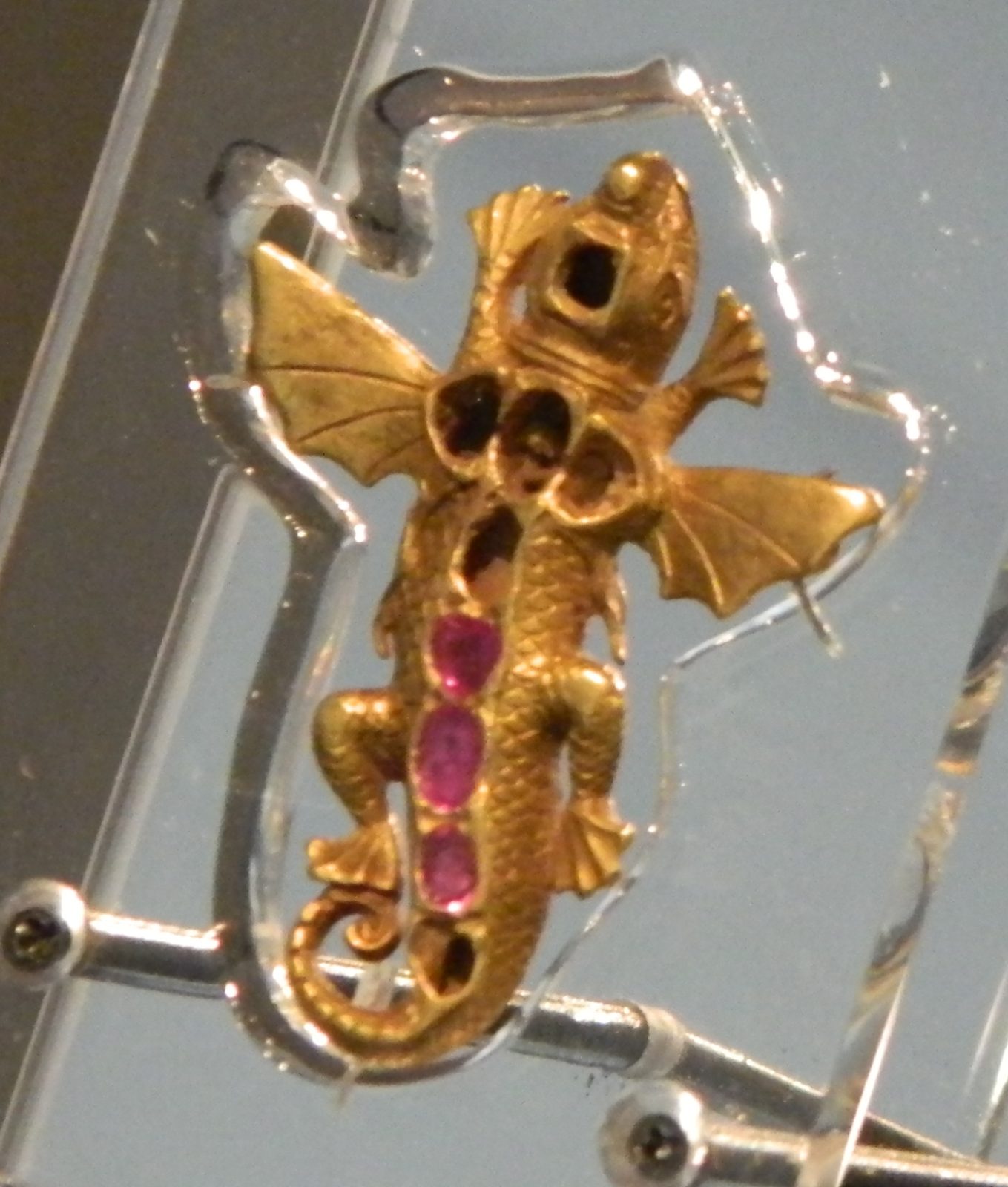
In 1967 the Belgian diver Robert Sténuit found the wreck of La Girona, a Spanish Armada galleass lost off the Antrim coast in 1588. His team raised gold coins, rings, chains and a ruby-set salamander pendant, now in the Ulster Museum.
In 1967, the Belgian diver and historian Robert Sténuit came to the north Antrim coast, near the Giant's Causeway, looking for a ship that had vanished almost four hundred years earlier. He had found the clue in old maps: beside a rocky headland called Lacada Point, the mapmakers had recorded the names Spaniard Rock and Port na Spaniagh, the bay of the Spaniards, local memory of a wreck. Diving there with his colleague Marc Jasinski, he soon found a bronze cannon, an anchor and a gold coin. The team kept quiet, hid what they had found in an underwater cave, and came back in April 1968 for two seasons of careful work, finishing in 1969.
The ship was La Girona, a galleass, driven by both oars and sails, from the Naples squadron of the Spanish Armada. After the Armada's defeat in 1588 she was repaired at Killybegs in Donegal and set out for Scotland in late October, crammed with about 1,300 men, survivors of other wrecks among them, in a ship built for perhaps 500. Off the Antrim coast a gale broke her rudder and she was driven onto Lacada Point. Only a handful of men survived; sources give between five and nine. Around 260 of the dead are said to have been buried at St Cuthbert's Church near Dunluce.
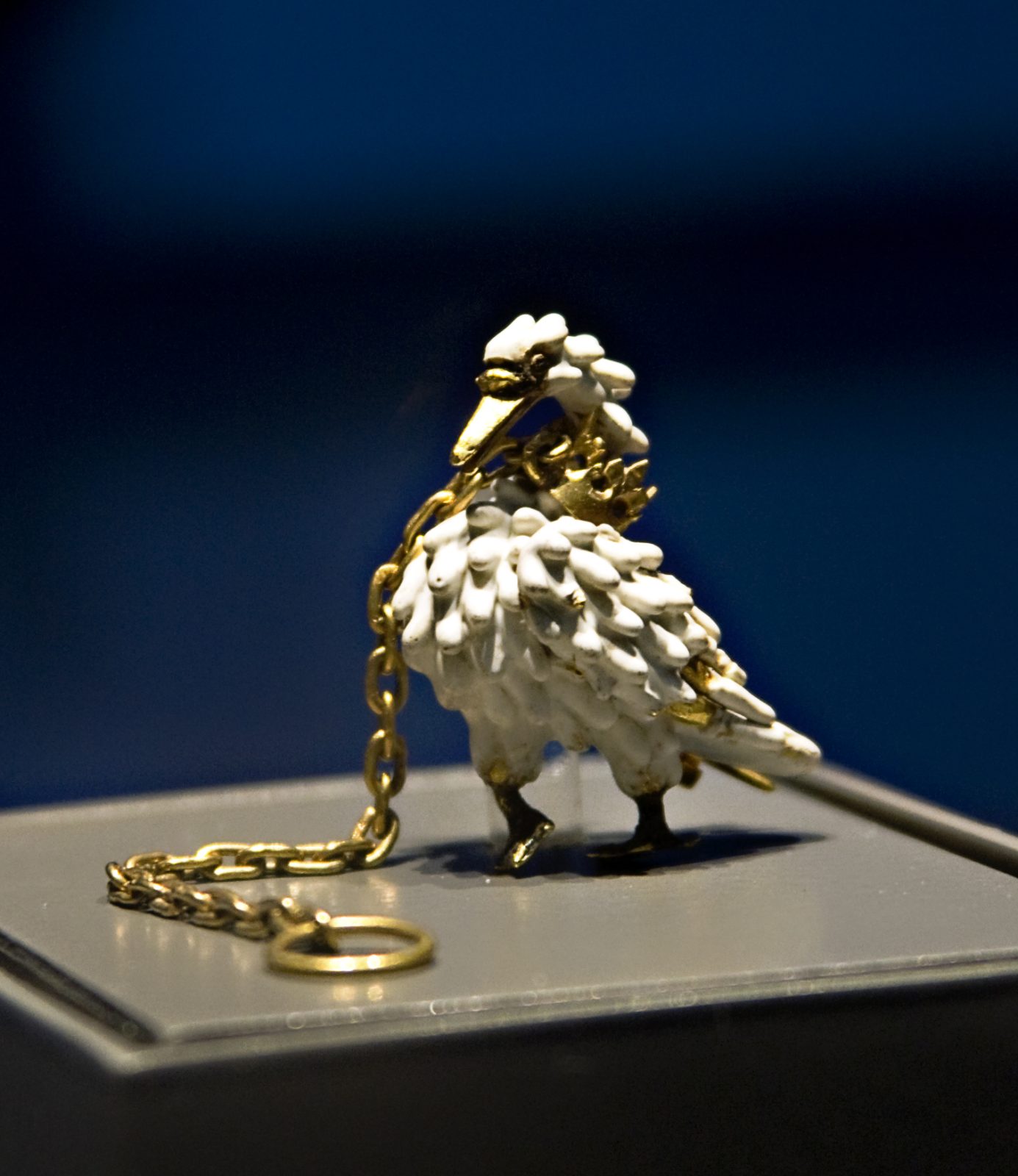
Sténuit's team raised thousands of objects. There were more than 1,200 gold, silver and copper coins, gold chains and rings, two bronze cannon, navigational instruments and lead ingots. The most famous piece is a gold pendant in the shape of a salamander, about 4 centimetres long and set with rubies; the salamander was believed to survive fire, and the pendant was probably worn as a charm. A gold ring carries the inscription No tengo mas que dar te, which the Ulster Museum translates as "I have nothing more to give thee".
Spain and others claimed the treasure, but no single owner could be established. With Sténuit's agreement, the Ulster Museum bought the whole collection in 1972 after a public appeal, so that it would stay in Northern Ireland. It is displayed in the museum's Armada gallery in Belfast. The wreck site has been protected by law since 1993. Robert Sténuit died in December 2024.
Written for Global Finds from BBC News (2017), the Ulster Museum, History Ireland, the Art Fund and Causeway Coast and Glens Borough Council. Photo: the gold salamander pendant from La Girona in the Ulster Museum, Bazonka, Wikimedia Commons, CC BY-SA 3.0.
Approximate location55.25, -6.50View on map
Source: BBC News